


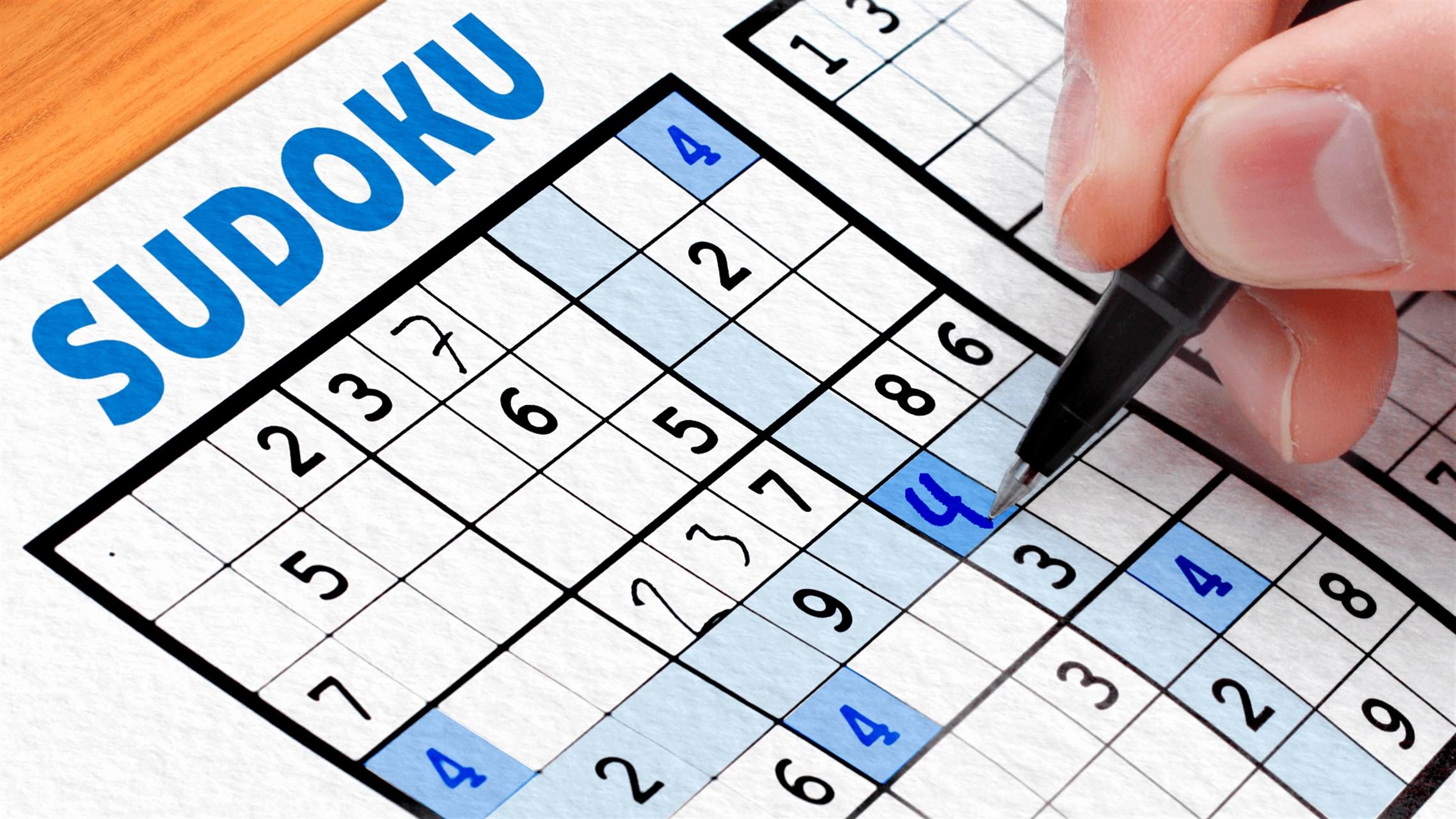
I’ve had phases with games. Obsessions that last a week, sometimes a month, then disappear without warning. I download them, play nonstop, and suddenly forget they exist. That cycle has repeated more times than I can count.
Sudoku is the exception.
It never became an obsession, yet it never left. It stayed quietly in the background, always ready, never demanding. And somehow, that made all the difference.
My Early Days With Sudoku Were Nothing Special
When I first started playing Sudoku, I didn’t feel anything dramatic. No excitement. No “wow” moment. It felt simple—almost too simple.
Fill numbers from one to nine.
Don’t repeat them.
That’s it.
The first few Sudoku puzzles were easy enough that I barely had to think. I solved them quickly and moved on. At that stage, Sudoku felt like any other casual game I could drop at any time.
But even then, I noticed something subtle: I didn’t feel rushed while playing. And I didn’t feel drained afterward.
When Sudoku Became a Comfort Activity
At some point, I started opening Sudoku when I wasn’t bored—but when I felt overwhelmed.
Too many tabs open.
Too many thoughts competing.
Too much noise.
Sudoku gave me one clear task. One clear goal. One small space where everything made sense.
That’s when Sudoku shifted from “something to pass time” to “something that helps me reset.”
Why Sudoku Feels So Mentally Clean
There’s something incredibly clean about Sudoku.
Clear rules, no ambiguity
Sudoku doesn’t change the rules halfway through. There’s no hidden mechanic waiting to surprise you.
Every puzzle is solvable
Even when a Sudoku board feels impossible, you know a solution exists. That knowledge matters.
No external pressure
No timers. No rankings. No competition. Just logic.
Because of this, Sudoku feels honest. It doesn’t trick you. It doesn’t manipulate you. It simply challenges you to think clearly.
The Frustration That Makes Sudoku Addictive
Let’s not pretend Sudoku is always relaxing.
There’s a very specific frustration that comes with a hard Sudoku puzzle. The kind where you’re sure you’ve checked everything—and yet, nothing fits.
You stare.
You recheck.
You doubt yourself.
I’ve closed Sudoku out of pure annoyance more times than I’d like to admit. And almost every time, I come back later and solve it faster than expected.
That pattern taught me something important: frustration doesn’t mean failure. It often means you’re close.
How Sudoku Changed My Relationship With Mistakes
Early on, I guessed a lot in Sudoku. When I felt stuck, I placed numbers just to “see what happens.”
Sudoku punished that immediately.
One wrong guess spreads everywhere
A single incorrect number can quietly break an entire Sudoku board.
Mistakes don’t scream—they reveal themselves
Sudoku doesn’t flash “wrong.” It lets the contradiction unfold.
Because of this, Sudoku taught me to respect mistakes instead of rushing past them. Every error had a cause. Every cause had a lesson.
Sudoku as a Way to Practice Patience
I didn’t realize how impatient I was until Sudoku exposed it.
I wanted fast progress.
I wanted quick wins.
I wanted answers now.
Sudoku refused.
It rewarded patience and punished impatience consistently. Over time, I adapted. I slowed down. I observed more. I trusted logic instead of impulse.
That mindset slowly leaked into other areas of my life, whether I noticed it or not.
Why Sudoku Feels Better Than “Productive” Apps
I’ve tried productivity apps, brain trainers, focus tools—all promising to make me better, sharper, faster.
Sudoku never promised anything.
And yet, after playing Sudoku, I feel more focused than after using most “self-improvement” tools.
Sudoku doesn’t overwhelm
It gives you one problem at a time.
Sudoku doesn’t judge
You can fail quietly. Learn quietly. Improve quietly.
Sudoku ends cleanly
Each puzzle finishes. No endless loops.
That simplicity is powerful.
The Subtle Joy of Completing a Sudoku Puzzle
Finishing a Sudoku puzzle doesn’t feel like winning. It feels like understanding.
Every number fits.
Every row makes sense.
Nothing feels accidental.
That sense of completion is deeply satisfying in a world full of loose ends.
Sometimes I finish a Sudoku puzzle and just sit there for a moment, staring at the completed grid, enjoying the calm it brings.
Why Sudoku Has Earned Its Place in My Routine
Sudoku isn’t something I schedule. It’s something I return to naturally.
On quiet mornings.
On restless nights.
On days when my thoughts feel tangled.
Sudoku fits into those moments without forcing itself in. It waits. And that patience makes me respect it more.
Sudoku Is Simple, But It Stays With You
Sudoku doesn’t need updates, stories, or trends to stay relevant. Logic doesn’t age. Patterns don’t expire.
As long as I enjoy thinking slowly and clearly, Sudoku will have a place in my life.
Final Thoughts
Sudoku didn’t become meaningful because it was exciting. It became meaningful because it was steady.
It taught me patience without preaching.
It challenged me without shouting.
And it gave my mind a quiet place to land.

 English
 Arabic
 French
 Spanish
 Portuguese
 Deutsch
 Turkish
 Dutch
Dutch
 Russian
 Romaian
 Portuguese (Brazil)
 Tiếng Việt