


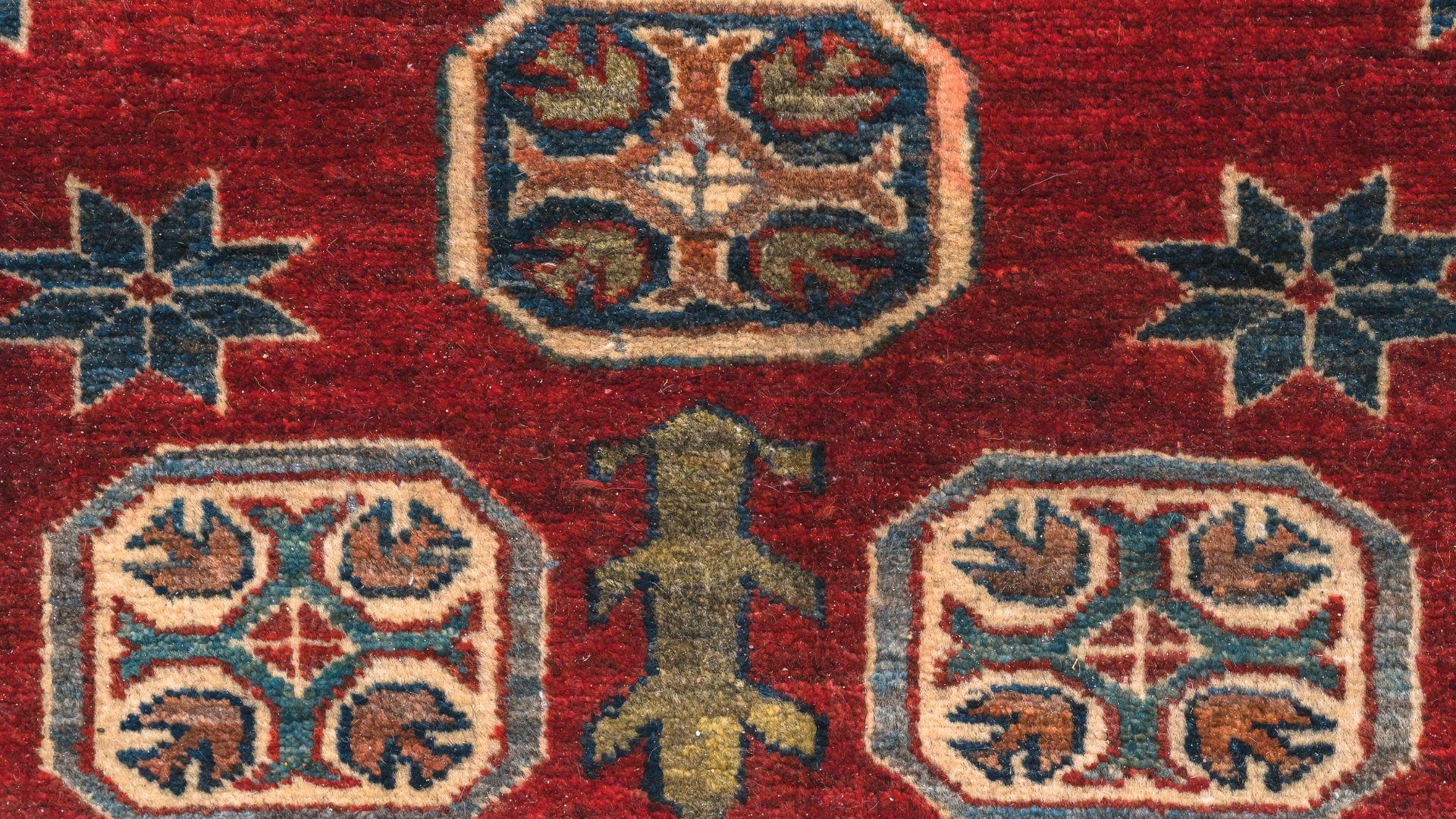
Global Carpet Market to Reach USD 114.43 Billion by 2033
Rising Home Décor Demand and Construction Boom Drive Global Carpet Industry
The global carpet market is experiencing steady growth as consumer interest in home décor, interior design, and construction activities continues to rise worldwide. According to Renub Research, the global carpet market was valued at USD 70.86 billion in 2024 and is expected to grow from USD 74.73 billion in 2025 to USD 114.43 billion by 2033, expanding at a compound annual growth rate (CAGR) of 5.47% between 2025 and 2033.
The growth of the market is supported by increasing residential and commercial construction, technological advancements in carpet manufacturing, and a growing focus on sustainable and eco-friendly flooring materials. Carpets remain one of the most widely used floor coverings globally due to their ability to combine comfort, aesthetics, and functionality.
As interior design trends continue to evolve and urbanization accelerates in emerging markets, the demand for high-quality carpets and rugs is expected to increase significantly in the coming years.
Download Free Sample Report:https://www.renub.com/request-sample-page.php?gturl=carpet-market-p.php
Understanding Carpets and Their Role in Modern Interiors
Carpets are textile floor coverings made from fibers that are attached to a backing material. The pile, which forms the visible surface of the carpet, is typically made from materials such as wool, nylon, polyester, or polypropylene.
These fibers create a soft and cushioned surface that enhances comfort while also contributing to interior aesthetics. Carpets are available in a wide variety of designs, textures, colors, and patterns, allowing them to suit diverse consumer preferences and architectural styles.
Because of their versatility, carpets are widely used in residential homes, commercial buildings, offices, hotels, and industrial facilities.
Beyond their decorative appeal, carpets offer several practical benefits. They improve indoor acoustics by absorbing sound, provide insulation that helps regulate indoor temperature, and enhance safety by reducing the risk of slips and falls.
As manufacturers introduce innovative materials and production techniques, carpets are becoming more durable, stain-resistant, and environmentally friendly.
Growing Consumer Interest in Home Décor
One of the most significant drivers of the global carpet market is the increasing consumer focus on home improvement and interior decoration.
Modern homeowners are placing greater emphasis on creating stylish, comfortable, and personalized living spaces. Carpets play a key role in achieving these design goals by adding warmth, color, and texture to interiors.
Open-plan living spaces have further increased demand for carpets and area rugs that can visually define different zones within a home. For example, carpets are commonly used to separate living areas from dining spaces or create cozy environments in bedrooms and family rooms.
Consumers are also becoming more environmentally conscious when choosing home décor products. A growing number of buyers prefer carpets made from sustainable materials such as wool, bamboo fibers, and recycled textiles.
Industry data suggests that a large portion of consumers worldwide now prioritize environmentally friendly home products, encouraging manufacturers to invest in sustainable carpet solutions.
Technological Innovations in Carpet Manufacturing
Technological advancements are transforming the carpet manufacturing industry by enabling greater design flexibility, improved performance, and enhanced sustainability.
One of the most notable innovations is digital printing technology, which allows manufacturers to produce intricate patterns and customized designs with high precision. Digital printing expands creative possibilities and enables manufacturers to respond quickly to changing consumer preferences.
Another major advancement is the development of stain-resistant and durable fiber technologies. These innovations make carpets easier to maintain and extend their lifespan, making them more attractive to consumers.
Manufacturers are also focusing on environmentally friendly production processes. The use of recycled materials and renewable fibers is becoming increasingly common as companies aim to reduce their environmental impact.
These technological improvements are helping carpet manufacturers create high-performance products that meet modern consumer expectations.
Expansion of the Global Construction Industry
The global construction sector is another major factor driving demand for carpets. Rapid urbanization and population growth are leading to increased residential and commercial construction projects across many regions.
New housing developments, office buildings, hotels, and public infrastructure projects require flooring solutions that are both functional and aesthetically appealing.
Carpets are widely used in residential spaces due to their comfort and insulation benefits, while commercial carpets are valued for their durability and sound absorption properties.
Urbanization trends are particularly strong in developing regions, where growing cities are generating substantial demand for building materials and interior products.
According to global urbanization projections, a significant portion of the world’s population will live in urban areas by mid-century, creating long-term growth opportunities for the carpet industry.
Advantages of Carpets in Residential and Commercial Spaces
Carpets offer several advantages that contribute to their widespread use in homes, offices, and commercial buildings.
One of the key benefits is comfort. Carpets provide a soft and cushioned surface that enhances the comfort of living and working environments.
They also improve acoustic performance by absorbing sound, making them ideal for spaces such as offices, hotels, and educational institutions.
Another advantage is thermal insulation. Carpets help retain heat during colder months, which can contribute to improved energy efficiency and reduced heating costs.
In addition, carpets improve safety by reducing the risk of slips and falls compared to hard flooring surfaces.
With modern innovations in stain resistance and fiber durability, carpets are now easier to maintain and more suitable for high-traffic environments.
Challenges Facing the Global Carpet Market
Despite its strong growth outlook, the carpet market faces several challenges that could influence future development.
Intense Competition from Alternative Flooring
The carpet industry faces strong competition from alternative flooring materials such as hardwood, laminate, vinyl, and ceramic tiles.
These alternatives often appeal to consumers seeking low-maintenance and minimalist interior designs.
As interior design trends evolve toward sleek and modern aesthetics, some consumers may prefer hard flooring options instead of traditional carpets.
Manufacturers are responding by developing carpets with contemporary designs and improved performance features to remain competitive.
Environmental Concerns and Regulations
Environmental issues associated with carpet production present another challenge for the industry.
Many carpets are made from synthetic materials derived from petroleum-based products, which can raise concerns about sustainability and environmental impact.
Regulatory authorities in several regions are introducing stricter environmental regulations regarding chemical usage, waste management, and recycling.
To address these concerns, carpet manufacturers are investing in eco-friendly materials and sustainable production processes.
Woven Carpets: Premium Craftsmanship
Woven carpets represent a premium segment of the global carpet market.
These carpets are produced using traditional weaving techniques that create intricate patterns and durable structures.
Woven carpets are often associated with luxury interiors and high-end commercial spaces due to their superior craftsmanship and long lifespan.
Their timeless appeal ensures continued demand among consumers seeking high-quality decorative flooring solutions.
Tufted Carpets: Dominating the Market
Tufted carpets account for a large share of the global carpet market due to their affordability and efficient production process.
This type of carpet is manufactured by inserting yarn into a backing material to create loop or cut pile surfaces.
Tufted carpets are widely used in both residential and commercial environments because they offer a balance between cost-effectiveness, durability, and aesthetic variety.
Their ability to cater to a broad range of price points makes them accessible to a wide consumer base.
Popular Carpet Materials
Nylon Carpets
Nylon carpets are widely used due to their exceptional durability and stain resistance. They perform well in high-traffic areas such as living rooms, hallways, and commercial buildings.
Technological advancements have also improved the sustainability of nylon fibers, increasing their appeal among environmentally conscious buyers.
Acrylic Carpets
Acrylic carpets are known for their soft texture and wool-like appearance. They offer an affordable alternative to natural wool while maintaining similar comfort and visual appeal.
These carpets are resistant to moisture, mildew, and fading, making them suitable for residential environments.
Growing Demand in Residential and Commercial Segments
The residential carpet market is expanding as homeowners seek flooring solutions that combine comfort, insulation, and aesthetic appeal.
Home renovation projects and interior customization trends are further boosting demand for carpets in living rooms, bedrooms, and home offices.
The commercial carpet market also remains strong. Offices, hotels, retail outlets, and educational institutions rely on carpets for their durability, acoustic performance, and professional appearance.
As businesses continue to invest in attractive and functional workspaces, demand for commercial-grade carpets is expected to remain steady.
Regional Market Insights
United States
The United States represents one of the largest carpet markets globally. Strong demand from residential renovations and commercial construction continues to drive market growth.
Technological innovation in stain-resistant and sustainable carpets is also gaining traction among environmentally conscious consumers.
France
In France, the carpet market is characterized by strong demand for premium and eco-friendly products. Consumers in the region often prioritize craftsmanship and sustainability when selecting carpets.
The hospitality and tourism industries also contribute significantly to demand for high-quality carpets.
India
India is globally recognized for its rich tradition of carpet weaving. Handmade carpets produced in India are highly valued for their intricate designs and durability.
Urbanization and rising incomes are also increasing domestic demand for carpets within the country.
Saudi Arabia
Saudi Arabia’s carpet market is supported by rapid construction growth and luxury real estate development.
Carpets are widely used in residential properties, hotels, mosques, and commercial buildings across the region.
Key Companies in the Global Carpet Market
Several leading companies play a crucial role in shaping the global carpet industry.
Major players include:
-
Armstrong Flooring Inc.
-
Balta Industries NV
-
Mohawk Industries Inc.
-
Tarkett
-
Victoria PLC
-
Mannington Mills Inc.
-
Dorsett Industries
These companies focus on innovation, sustainability, and product diversification to maintain their competitive position in the global market.
Final Thoughts
The global carpet market is expected to witness steady growth in the coming years as demand for stylish and functional flooring solutions continues to rise.
With the market projected to reach USD 114.43 billion by 2033, expanding urban populations, increasing construction activities, and growing interest in interior design will remain key growth drivers.
Although competition from alternative flooring materials and environmental concerns present challenges, innovations in sustainable materials and advanced manufacturing technologies are helping the industry evolve.
As consumers continue to seek comfort, aesthetics, and eco-friendly products in their living and working environments, carpets will remain an essential component of modern interior design worldwide.

 English
 Arabic
 Spanish
 Portuguese
 Deutsch
 Turkish
 Dutch
Dutch
 Italiano
 Russian
 Romaian
 Portuguese (Brazil)
 Tiếng Việt