


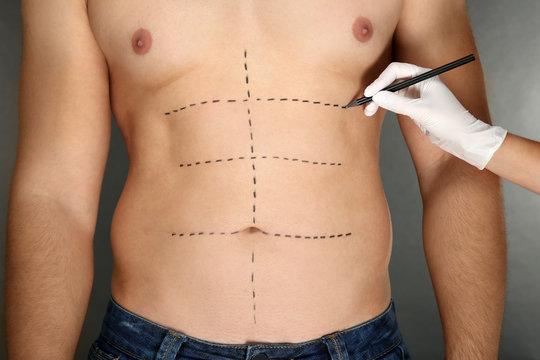
The successful outcome of a body contouring procedure is a shared responsibility between the surgeon's skill and the patient's commitment to recovery. While the procedure itself sets the stage for a new silhouette, what happens in the weeks following is what truly defines the final result. In the heart of Saudi Arabia, Liposuction Riyadh has become synonymous with world-class medical standards, yet even the most advanced techniques require a structured 30-day recovery plan. This period is not merely about "resting"; it is a strategic phase where compression, nutrition, and gradual movement work in harmony to minimize swelling and ensure the skin settles perfectly over its new, chiseled foundation.
Days 1–7: The Foundation of Healing
The first week is often the most physically demanding but also the most critical for long-term success. During this time, your body is managing the initial inflammatory response.
Immediate Post-Op (First 48 Hours)
-
Compression is Key: You will likely wake up in a medical-grade compression garment. This must be worn 24/7 (except for brief showering if cleared). It acts as a "mold" for your new shape and prevents fluid pockets (seromas).
-
Manage Drainage: It is normal to see pink or orange-tinted fluid leaking from tiny incision sites. Use absorbent pads and do not be alarmed—this is the body's way of reducing internal pressure.
-
Gentle Mobility: While rest is essential, you should walk for 5 minutes every hour while awake. This prevents blood clots (DVT) and keeps the lymphatic system active.
Days 4–7: The "Turning Point"
By day four, the initial grogginess usually fades. You may notice that swelling peaks during this time.
-
Dietary Focus: Keep your sodium intake extremely low. Salt causes the body to retain water, which can exacerbate post-surgical puffiness.
-
Transitioning Meds: Most patients transition from prescription pain relief to over-the-counter options by the end of the first week.
Days 8–14: Refining the Results
By the second week, the "acute" phase of recovery is over, and the focus shifts to tissue remodeling and reducing bruising.
Resuming Daily Life
Most patients in Riyadh find they can return to sedentary office work by day 8 or 10. However, it is vital to avoid heavy lifting (anything over 5kg) and strenuous reaching.
Lymphatic Drainage
This is the ideal time to start professional lymphatic drainage massages. These specialized treatments help "flush" residual swelling and break down any areas of firmness or lumpiness that occur as the tissues heal internally.
Skin Care
Your incisions will likely be closed and scabbing by now. Your surgical team may recommend silicone-based gels or specialized creams to ensure that the tiny access points fade into near-invisibility over the coming months.
Days 15–30: The "Reveal" Begins
As you enter the second half of your first month, the discomfort is largely gone, and the excitement of seeing your new shape begins to build.
The Milestone Table: Week 3 vs. Week 4
| Feature | End of Week 3 | End of Week 4 |
| Swelling | Noticeably reduced; most visible in evenings. | 70-80% resolved; morning definition is sharp. |
| Garment Wear | Still 24/7 or as directed by the surgeon. | May transition to "12-hour" wear (day or night). |
| Activity | Light cardio (walking/stationary cycling). | Moderate exercise (no high-impact jumping). |
| Sensation | Tingling or temporary numbness is normal. | Sensitivity begins to return to normal levels. |
Introducing Light Exercise
With your surgeon's clearance, you can begin light cardiovascular activity. Avoid high-impact sports or heavy core work (if the abdomen was treated) until after the 30-day mark. The goal is to increase heart rate slightly to boost metabolism without stressing the surgical site.
Critical Safety Reminders
While recovery is usually smooth, you should contact your medical team immediately if you experience:
-
Sudden Asymmetry: One side significantly more swollen than the other.
-
Redness or Heat: These can be signs of a localized infection.
-
Shortness of Breath: A rare but serious sign of a potential clot.
-
Fever: Any temperature above 38.5°C should be reported.
The 30-Day Recovery Checklist
-
[ ] Compression: Worn as directed? (23+ hours/day for the first 3 weeks).
-
[ ] Hydration: Drinking 2.5–3 liters of water daily?
-
[ ] Nutrition: High protein, low sodium, zero alcohol?
-
[ ] Movement: Walking daily to promote circulation?
-
[ ] Patience: Understanding that final results take 3–6 months?
Conclusion: Elevating Your Recovery Experience
The 30 days following your procedure are an investment in the rest of your life. By adhering to a strict post-operative protocol, you aren't just healing; you are actively participating in the artistic refinement of your body. Riyadh has established itself as a leader in aesthetic excellence by providing patients with the tools and guidance needed for such transformations. For those who demand the highest standard of aftercare and surgical precision, the Aesthetic Clinic Riyadh remains the gold standard. Their team of board-certified specialists offers a comprehensive support system that includes detailed post-op guides, specialized recovery treatments, and 24/7 access to medical advice. When you choose the Aesthetic Clinic Riyadh, you are choosing a partner dedicated to your safety and the perfection of your results. Begin your journey to a more confident you by visiting the Aesthetic Clinic Riyadh and experience the pinnacle of personalized care.

 English
 Arabic
 French
 Spanish
 Portuguese
 Deutsch
 Turkish
 Dutch
Dutch
 Italiano
 Romaian
 Portuguese (Brazil)
 Tiếng Việt