


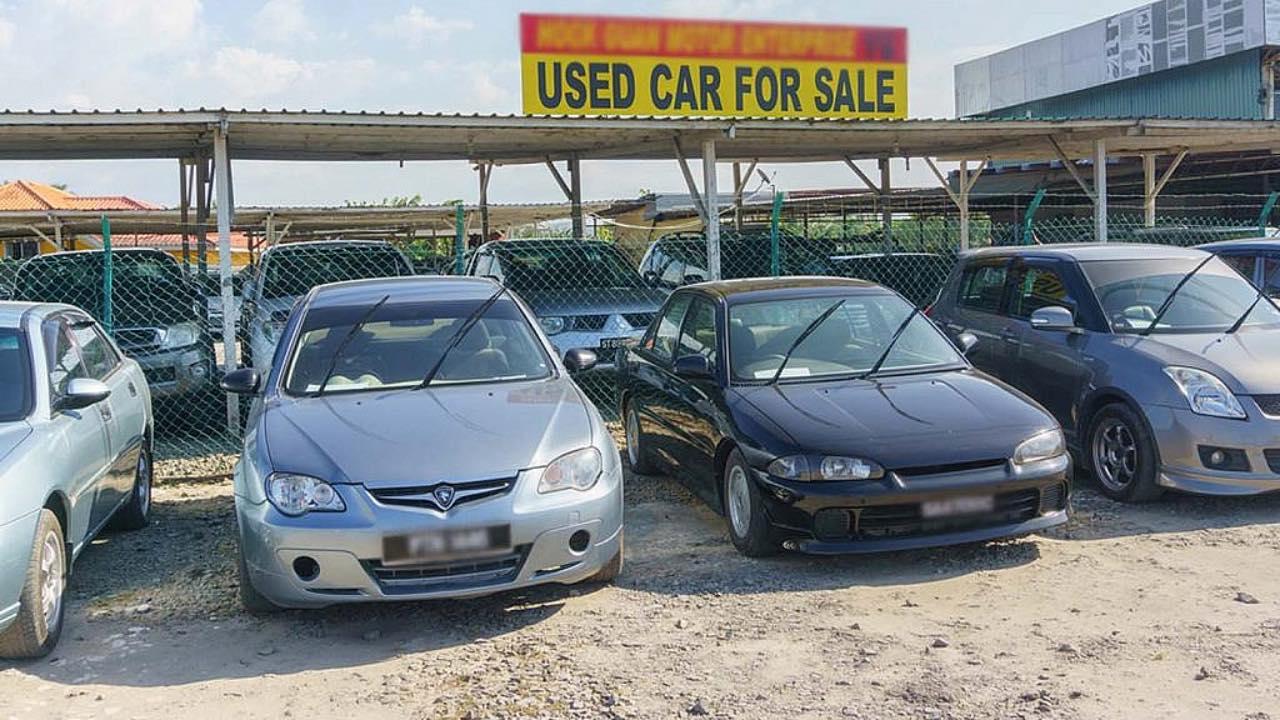
For many Brisbane drivers, an older car starts as a reliable companion. It gets you to work, handles school runs, and supports everyday life without much trouble. Over time, though, even well-looked-after vehicles begin to feel less suitable for daily use. Repairs become more frequent, comfort declines, and confidence behind the wheel slowly fades.
Brisbane presents a unique mix of climate, driving habits, and road conditions that place steady pressure on ageing vehicles. What works well in cooler or less humid regions often struggles in this environment. Understanding why older cars lose practical use in Brisbane helps owners make more informed choices before costs rise too high.
This article explains the key reasons older cars become less workable in local conditions and how those changes affect daily driving.
Brisbane’s Climate Plays a Major Role
Brisbane’s weather is one of the biggest factors shaping vehicle lifespan. Heat, humidity, and seasonal storms all leave their mark.
Heat Accelerates Wear
High temperatures place ongoing strain on engines, cooling systems, batteries, and rubber components. Older cars often lack modern heat management systems, making them more vulnerable during long summer drives.
Common heat-related issues include:
-
Radiator and hose deterioration
-
Engine overheating in traffic
-
Battery failure during hot spells
-
Cracked belts and seals
Over time, heat exposure reduces reliability and increases breakdown risk.
Humidity and Moisture Exposure
Brisbane’s humidity encourages corrosion, particularly in vehicles that spend time parked outdoors. Moisture creeps into electrical connections, braking systems, and underbody components.
Older cars usually lack the advanced rust protection found in newer models, which means corrosion spreads faster and becomes harder to control.
Traffic Patterns Add Constant Pressure
Brisbane’s growing population has changed how cars are used day to day. Stop-start traffic places unique strain on older vehicles.
City Driving Takes Its Toll
Short trips, congestion, and frequent idling affect engines and transmissions. Older cars often struggle with:
-
Increased fuel use
-
Rough gear changes
-
Reduced cooling efficiency
Components designed decades ago were not built for modern traffic volumes.
Long Commutes Increase Fatigue
Many Brisbane residents commute long distances between suburbs and business centres. Older cars accumulate wear faster when driven daily at highway speeds, especially when combined with heat exposure.
Suspension parts, tyres, and steering systems gradually lose stability, affecting comfort and control.
Rising Maintenance Costs Reduce Practicality
As cars age, the cost of keeping them roadworthy rises. This is one of the clearest signs that a vehicle is losing everyday usefulness.
Parts Become Harder to Source
Manufacturers eventually stop producing parts for older models. Owners may face delays, higher costs, or limited options when repairs are needed.
Sourcing second-hand components helps in some cases, but availability is never guaranteed.
Labour Costs Add Up
Even small repairs take longer on older cars due to seized bolts, worn fittings, and outdated layouts. Labour often costs more than the part itself, making minor faults feel major.
When repair bills appear more often than expected, practicality begins to decline.
Safety Standards Have Changed
Vehicle safety has improved significantly over the past two decades. Older cars lack many features now considered standard.
Limited Safety Features
Many older vehicles do not include:
-
Modern stability control
-
Advanced braking systems
-
Multiple airbags
-
Driver assistance technology
Brisbane’s busy roads, changing traffic patterns, and frequent storms demand stronger safety support than older designs can provide.
Reduced Structural Protection
Vehicle bodies are now built with improved impact absorption. Older frames do not manage collisions as effectively, which affects confidence for drivers and passengers alike.
Safety concerns often influence decisions long before mechanical failure occurs.
Fuel Use Becomes Less Predictable
Fuel efficiency matters more today due to cost awareness and longer travel distances.
Older Engines Use More Fuel
Engine designs from earlier decades burn fuel less cleanly and less efficiently. Wear further reduces performance, leading to higher consumption.
Drivers may notice:
-
Increased fuel costs
-
Reduced driving range
-
Inconsistent engine response
These issues slowly reduce day-to-day suitability.
Emissions Standards Have Tightened
Queensland regulations and inspections focus more closely on emissions. Older cars often struggle to meet modern expectations without costly adjustments.
Environmental awareness also shapes buyer and owner decisions.
Comfort Declines Over Time
Practical use is not just about mechanics. Comfort plays a large role in daily driving satisfaction.
Interior Wear Affects Usability
Seats lose support, trims crack, and air conditioning systems weaken. Brisbane’s heat makes cooling performance especially important.
Older climate systems struggle to keep up during summer, affecting concentration and comfort.
Noise and Vibration Increase
Worn suspension, ageing insulation, and engine fatigue lead to higher noise levels. Daily driving becomes tiring rather than routine.
Over time, drivers simply enjoy the car less.
Registration and Compliance Costs Continue
Keeping an older car registered in Queensland involves ongoing compliance.
Roadworthy Requirements
Roadworthy inspections highlight faults that might have been ignored previously. Suspension wear, brake condition, and steering play often fail inspections as vehicles age.
More details can be found through Queensland Transport:
Insurance Considerations
Insurance coverage for older vehicles may change, especially when repair costs approach or exceed vehicle worth. Owners often reassess whether continued coverage makes sense.
Technology Gaps Affect Daily Life
Modern driving relies heavily on technology, even for basic convenience.
Limited Connectivity
Older cars lack integration for navigation, hands-free calls, and media access. While upgrades exist, compatibility issues often arise.
Reduced Diagnostic Capability
Modern vehicles provide clearer fault codes and monitoring. Older cars rely more on manual diagnosis, which takes time and increases uncertainty.
Technology gaps reduce convenience rather than causing outright failure, yet they still affect daily use.
Environmental Awareness Shapes Decisions
Brisbane places growing emphasis on sustainability and recycling.
Older Cars Produce Higher Emissions
Ageing engines and worn exhaust systems release more pollutants. Many owners feel less comfortable driving vehicles that no longer align with environmental values.
Recycling Becomes a Practical Option
When maintenance costs rise and usability falls, recycling allows materials to be recovered responsibly. Metals, components, and fluids find new purpose rather than ending up as waste.
Organisations such as Planet Ark explain the importance of vehicle recycling in
When Practical Use Finally Fades
A car does not fail overnight. Practical use fades gradually through:
-
Frequent repairs
-
Rising costs
-
Reduced comfort
-
Lower confidence
Recognising these signs early helps owners avoid frustration and unnecessary spending.
Read More:
Conclusion: Knowing When It Is Time to Reassess
Older cars lose practical use in Brisbane conditions due to a mix of climate stress, traffic patterns, maintenance demands, and changing expectations. Heat, humidity, safety standards, and daily driving needs all influence how long a vehicle remains suitable.
Understanding these factors allows Brisbane drivers to plan ahead rather than react to breakdowns or rising bills. When a car no longer fits daily life, reassessing options becomes a sensible step.
If your vehicle feels harder to rely on than it once did, take time to review its condition, costs, and purpose. Informed choices lead to better outcomes, whether that means repairs, replacement, or exploring other paths that suit your needs today.

 English
 Arabic
 Spanish
 Portuguese
 Deutsch
 Turkish
 Dutch
Dutch
 Italiano
 Russian
 Romaian
 Portuguese (Brazil)
 Tiếng Việt