


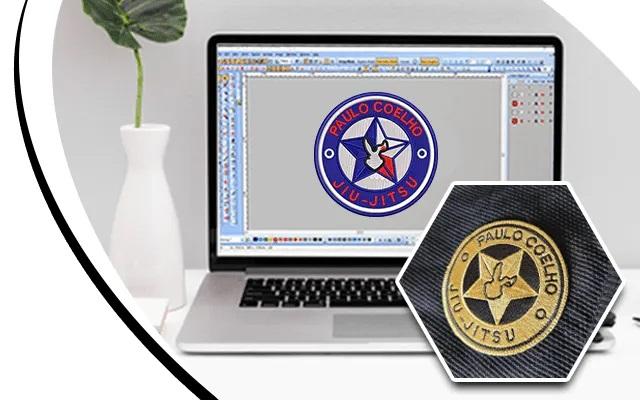
Embroidery continues to be a reliable method for adding branding, personalization, and decorative elements to apparel, accessories, and promotional items. Its durability and textured finish make it a preferred choice for businesses and individuals who want long-lasting results.
As embroidery machines depend on precise stitch data to recreate designs, digitizing services for embroidery have become a crucial part of the production process. These services transform artwork into stitch-ready files, allowing machines to recreate designs accurately and consistently.
Digitizing requires a combination of technical knowledge and artistic interpretation. Every shape, curve, and line in the artwork must be translated into specific stitch types, angles, and patterns. When done correctly, digitizing ensures the final embroidery reflects the original design with clarity and structure.
What Digitizing Services for Embroidery Involve
Digitizing services convert artwork files such as PNG, JPG, SVG, AI, or PDF into machine-readable formats like DST, PES, JEF, EXP, and others. Unlike traditional image formats, embroidery files contain commands that determine how a machine stitches the design.
A digitized file controls key components such as stitch direction, type, density, underlay structure, and color mapping. Each part influences how well the design holds its shape once placed on fabric. Even high-quality artwork can produce poor embroidery results if the digitizing process is not carefully executed.
Why Professional Digitizing Is Essential
While some software tools automate portions of the digitizing process, professional digitizers rely on manual adjustments to produce reliable results. Their expertise ensures that designs stitch smoothly, maintain accuracy, and withstand regular wear.
1. Precise Interpretation of Artwork
Skilled digitizers determine the most suitable stitch types and directions for each element of the design. This helps maintain sharp details, especially in small lettering or intricate shapes.
2. Adaptation for Various Fabrics
Different fabrics react differently under the pressure and movement of embroidery stitching. Digitizers adjust density, underlay, and compensation settings based on fabric properties, reducing issues such as distortion, puckering, or gaps.
3. Fewer Production Issues
A well-digitized design prevents common machine problems such as thread breaks, misalignment, or uneven stitching. This improves production efficiency and reduces material waste.
4. Versatility Across Products
Once digitized, a design can be applied to shirts, caps, jackets, bags, and patches. With proper adjustments, the same file can maintain clarity across different sizes and placements.
5. Long-Term Reusability
High-quality digitized files can be used repeatedly, making them a cost-effective asset for businesses or hobbyists who produce embroidery regularly.
Common Uses for Digitized Embroidery Designs
Digitized embroidery designs are widely used across commercial, organizational, and personal applications. Some popular uses include:
- Corporate apparel and staff uniforms
- Sports and team wear
- Custom patches and badges
- Promotional merchandise
- Personalized gifts and monogrammed items
- Bags, hats, and accessories
The versatility of digitized designs allows embroidery to be applied across many industries and creative projects.
What Contributes to a High-Quality Digitized File
The quality of embroidery largely depends on the quality of the digitized file. Several technical factors play an important role in producing clean and durable stitching:
Stitch Type Selection: Choosing the right combination of satin, fill, or running stitches ensures appropriate texture and detail.
Underlay Strategy: Underlay stitches create structure beneath the top layer, helping stabilize the fabric.
Density Management: Density must be carefully calibrated to prevent excessive thread buildup or loose areas.
Pull Compensation: Adjustments help maintain correct proportions when fabric pulls inward during stitching.
Sequencing and Pathing: Proper sequencing helps the machine run efficiently and creates cleaner final results.
These elements work together to deliver embroidery that remains consistent across production runs.
How Digitizing Services Typically Work
Digitizing usually follows a methodical workflow to ensure accuracy and quality:
- Artwork Submission: The customer provides the logo or design in a clear image or vector format.
- Design Review: The digitizer evaluates size, complexity, and intended use.
- Stitch Mapping: Stitch types, directions, and densities are assigned manually using specialized software.
- Underlay Application: Stabilizing stitches are added to support the top stitching.
- Format Conversion: The final design is exported in the file format required by the embroidery machine.
- Test Stitching: A sample is produced to verify clarity, balance, and durability.
- Final Adjustments: Necessary refinements are made before delivering the file.
This structured process ensures the final embroidery accurately reflects the original artwork.
Conclusion
Digitizing services for embroidery play a vital role in producing clean, precise, and visually consistent stitched designs. By converting artwork into machine-ready data, digitizing ensures that patterns, logos, and lettering stitch correctly across different fabrics and products. Whether the goal is branding, personalization, or decorative design, high-quality digitizing provides the foundation for professional embroidery results.

 English
 Arabic
 French
 Spanish
 Portuguese
 Turkish
 Dutch
Dutch
 Italiano
 Russian
 Romaian
 Portuguese (Brazil)
 Tiếng Việt