


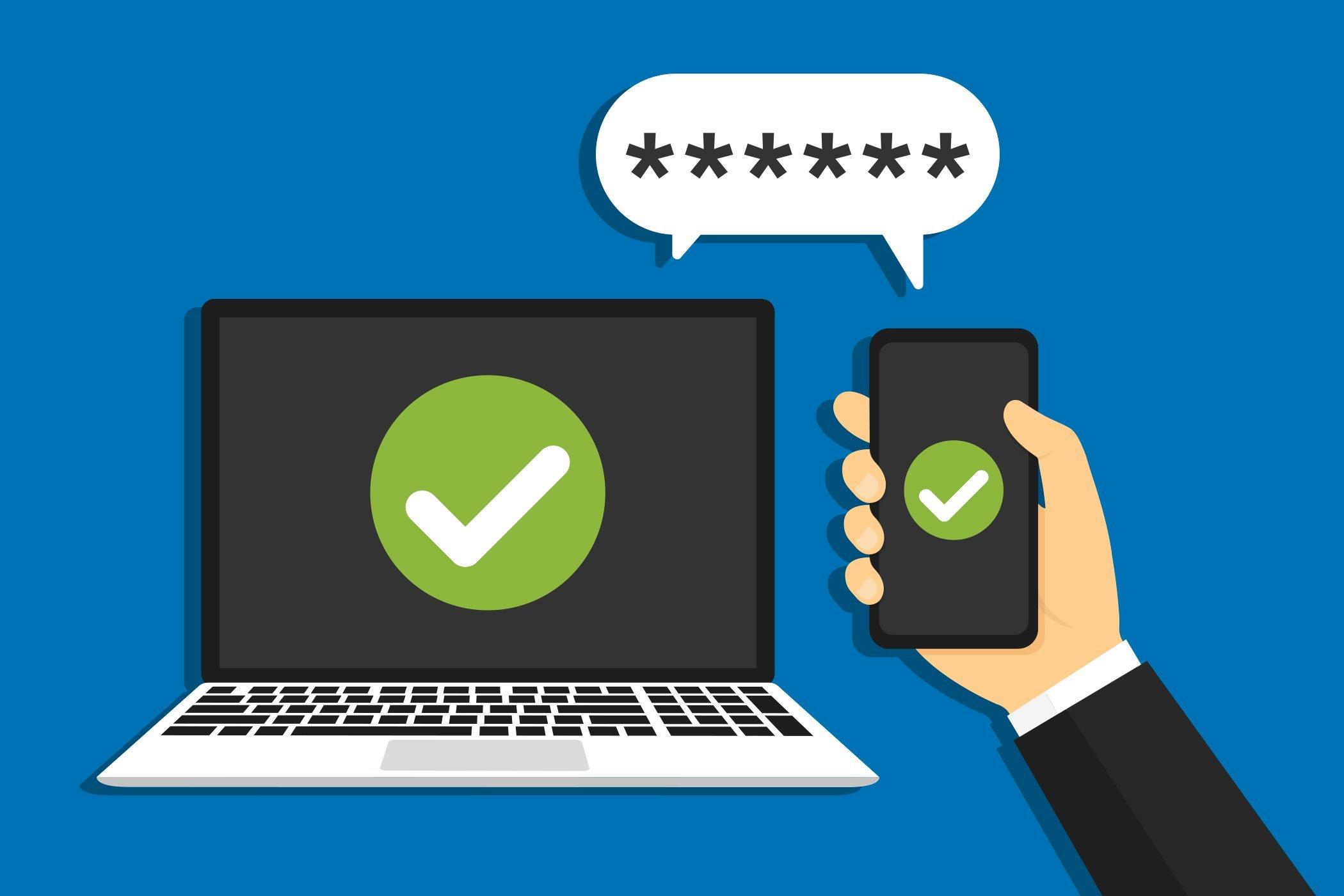
As two-factor authentication (2FA) becomes a standard, baseline security control, the industry's most innovative companies are looking beyond the traditional one-time passcode to explore the next frontier of identity security and uncover new Two-Factor Authentication Market Opportunities. The future of authentication is not just about adding a second factor; it's about making the entire process more intelligent, more seamless, and ultimately, invisible to the user. The emerging opportunities lie in the widespread adoption of passwordless technologies, the application of AI for continuous, risk-based authentication, and the expansion of strong authentication to protect new types of interactions, such as high-value transactions and the burgeoning Internet of Things (IoT). For vendors in this space, the opportunity is to move beyond simply securing logins and to become the provider of a continuous, real-time trust signal for every digital interaction, a far more strategic and valuable role in the security ecosystem. This is a shift from a one-time gatekeeper to a constant guardian.
The single largest and most transformative opportunity is the move towards a truly "passwordless" future. Despite the protection offered by 2FA, the password remains the weak link in the security chain—it can still be phished, forgotten, or stolen from a database. The ultimate goal is to eliminate the password altogether. The opportunity lies in the widespread adoption of standards like FIDO2 and WebAuthn, which allow for secure, passwordless logins using the biometrics built into a user's device (like a fingerprint or face scan) or a physical security key. This provides a user experience that is both more secure (as there is no password to steal) and more convenient (no passwords to remember). The opportunity for vendors is to build platforms that make it easy for businesses to deploy and manage these passwordless credentials for all their applications. The companies that can successfully lead their customers on the journey from 2FA to a fully passwordless environment will be positioned as the leaders of the next generation of identity security.
Another major opportunity lies in the application of Artificial Intelligence (AI) and machine learning to create a more intelligent and adaptive authentication process. This is the concept of "continuous authentication" or "risk-based authentication." Instead of a static, one-time check at login, the system continuously monitors a user's session for signs of anomalous or risky behavior. The opportunity is to use AI to analyze a rich set of real-time signals—such as the user's location, the device they are using, their typing cadence (behavioral biometrics), and the sensitivity of the resource they are trying to access. If the AI detects a sudden change in behavior—for example, a user who normally works from London suddenly tries to access a sensitive database from an IP address in a different country—the system can automatically "step-up" the authentication, prompting the user for a biometric check or another form of MFA in real-time. This provides a far more dynamic and context-aware security model than a simple 2FA at login, creating a huge opportunity for vendors to offer a more intelligent and truly risk-based authentication platform.
Finally, there is a vast and growing opportunity to extend the principles of strong authentication beyond just user logins to secure a wider range of digital interactions. The most immediate opportunity is in transaction verification or "out-of-band" authentication. For high-risk transactions, such as a large wire transfer from a bank account or a major change to an administrative setting in a corporate system, the platform can send a push notification to the user's registered mobile device, requiring them to explicitly approve the specific transaction with a biometric confirmation. This provides a powerful defense against fraud. Looking further ahead, the Internet of Things (IoT) represents a massive greenfield opportunity. As billions of devices—from smart home appliances to industrial sensors—come online, there is a critical need to ensure that these devices are who they say they are and that communication between them is secure. The opportunity is to develop lightweight, scalable authentication solutions specifically for these "headless" IoT devices, a market that is set to explode in size and importance in the coming years, creating a new frontier for identity and access management.
Explore Our Latest Trending Reports:

 English
 Arabic
 French
 Spanish
 Portuguese
 Deutsch
 Turkish
 Dutch
Dutch
 Russian
 Romaian
 Portuguese (Brazil)
 Tiếng Việt