


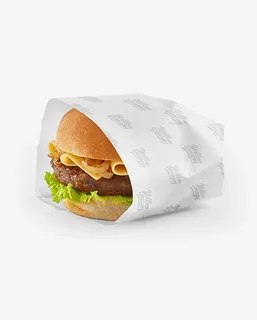
Walking into a restaurant and smelling stale fries ruins your appetite immediately. Nobody wants soggy buns or wilted lettuce on their sandwich order. Fast food freshness determines whether customers come back next week or never return. Restaurants using smart methods serve better tasting items that people actually enjoy eating. Fresh ingredients and proper handling make all the difference between good and bad foods. Understanding these techniques helps you spot which places care about quality food.
Why Does Freshness Matter More Than Speed Alone?
Fast service means nothing if your chicken tastes like it sat around for hours. Customers notice when tomatoes look brown or cheese seems dried out and crusty. One bad experience sends people to competitors down the street pretty quickly these days. Fresh food tastes better and provides more nutrition your body actually needs daily. Restaurants cutting corners on freshness lose money from returned orders and complaints online. Social media reviews mention stale food faster than any other problem customers face. Quality and speed together create success but quality should always come first here.
How Do Temperature Controls Maintain Food Quality?
Hot cabinets keep fried items crispy instead of letting them get soft and gross. Fries turning soggy happens when steam gets trapped inside closed boxes too long. Cold rails under prep stations maintain vegetables at perfect crispness for building orders. Lettuce wilts fast under bright lights without proper cooling underneath it constantly. Thermometers placed throughout kitchens help staff monitor conditions in different work zones. Chicken strips lose their crunch within 10 minutes without correct heat holding methods. Temperature management affects taste as much as it affects safety for everyone eating there.
What Role Does Prep Timing Play in Restaurant Operations?
Chopping vegetables hours before lunch rush leads to browning and loss of flavor. Small batches prepared closer to service time taste fresher than bulk prep done. Calculating customer flow helps kitchens know when to start cooking new batches now. Throwing away unsold items costs money but serving old food costs customers instead. Smart planning means less food sitting around getting stale before anyone orders it. Timing decisions directly impact fast food freshness in ways customers notice right away. Getting this balance right separates good restaurants from mediocre ones in any market.
How Can Proper Storage Extend Ingredient Life?
Sealed bins protect dry goods from humidity that makes them clump or spoil. Refrigerated drawers right at cooking stations reduce time ingredients spend at room temperature. Rotating stock so older items get used first prevents waste from expired products. Airtight wrapping on prepped items stops them from absorbing odors from other foods. Moisture control matters because too much wetness ruins breeding and makes produce slimy. Labeling everything with prep dates keeps track of what needs to be used soon today. Organization in storage areas directly impacts what ends up on customer plates later.
What Cooking Methods Preserve Taste and Texture Best?
Flash frying at high heat seals in moisture while creating crispy outside layers. Grilling marks from hot surfaces add flavor that microwaving can never match at all. Steaming buns right before assembly keeps them soft without making them soggy or tough. Burger wrapper materials need staying grease proof while allowing proper air circulation for quality. Holding cooked items too long dries them out even with humidity in cabinets. Fresh oil for frying makes huge differences in how golden and tasty things turn. Different foods need different methods and experienced cooks know which works for what items.
How Does Wrapping Protect Freshness During Service?
Vented boxes let steam escape from hot foods so they do not get waterlogged. Wrapping sandwiches tightly prevents them from falling apart but not so tight they squish. Separating hot and cold components until serving time maintains better texture in both. Clear Wrapping lets customers see their order without opening and exposing it to air. Double wrapping protects delicate items during busy rushes when bags get tossed around more. Smart Wrapping choices extend fast food freshness from the kitchen all the way to tables. Quality materials cost more upfront but reduce complaints and returns saving money overall.
What Cleaning Practices Support Better Food Quality?
Dirty grills leave burnt bits that make new items taste bad immediately. Cutting boards carrying old food smells transfer those flavors to fresh ingredients now. Food paper liners in prep areas need changing regularly to prevent buildup of bacteria. Sanitizing between different food types prevents cross contamination of tastes and textures too. Buildup in fryer baskets affects oil quality and how crispy things actually get. Clean utensils mean sauces and toppings taste exactly like they should every time. Equipment running efficiently cooks food properly instead of creating uneven hot and cold spots.
How Can Staff Training Improve Food Handling?
New workers do not automatically know how long items stay fresh after cooking them. Teaching proper portioning prevents food from sitting in prep areas getting stale unnecessarily. Recognizing signs of spoilage helps staff pull bad ingredients before they get served. Wax Papers Hub offers training materials that teach employees about maintaining quality throughout shifts. Understanding why timing matters makes employees care more about following procedures correctly here. Cross training on different stations gives workers flexibility during unexpected busy periods that happen. Knowledge about fast food freshness turns into better foods that keep people coming back.
Which Common Mistakes Ruin Freshness in USA Restaurants?
Preparing too much food at once leads to throwing away items that nobody ordered. Ignoring holding times because you do not want to waste products backfires badly. Mixing fresh batches with older ones spreads staleness through everything in boxes there. Skipping temperature checks assumes everything works fine when it actually does not always. Using low quality ingredients to save money shows up immediately in taste and appearance. Rushing through prep work creates mistakes that affect texture and flavor negatively later. Not listening to customer feedback about freshness means repeating the same problems without learning anything. logo printed burger wrap paper

 English
 Arabic
 French
 Spanish
 Portuguese
 Deutsch
 Turkish
 Dutch
Dutch
 Italiano
 Russian
 Romaian
 Portuguese (Brazil)