


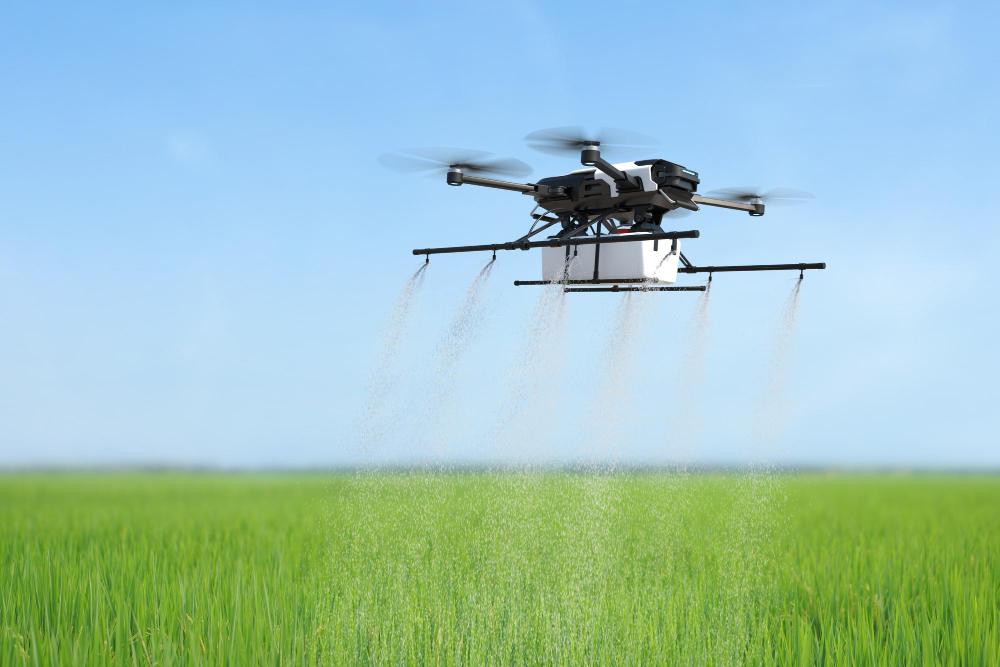
Agriculture is undergoing a massive transformation as modern technologies are integrated into traditional farming practices. With the global population continuously increasing, the demand for food production is higher than ever. To meet this demand, farmers are turning toward innovative solutions that improve efficiency, productivity, and sustainability. One of the most impactful developments in this space is smart agriculture, driven by connected devices, automation, and data analytics.
What is Smart Agriculture?
Smart agriculture, also known as digital farming, involves the use of advanced technologies such as sensors, Internet of Things (IoT), artificial intelligence (AI), and cloud computing to enhance agricultural operations. These technologies enable farmers to monitor their crops, soil, and weather conditions in real-time, leading to better decision-making and improved outcomes.
Instead of relying on traditional methods, farmers can now use precise data to optimize every stage of the farming cycle from planting and irrigation to harvesting and storage.
The Role of IoT in Agriculture
The Internet of Things plays a central role in smart by promoting connecting devices and enabling seamless communication between them. IoT-based systems collect and transmit data from the field to a centralized platform where it can be analyzed and acted upon.
For instance, IoT sensors for agriculture help measure soil moisture, temperature, humidity, and nutrient levels. This data allows farmers to adjust irrigation schedules, apply fertilizers more accurately, and detect potential issues before they become serious problems.
By using connected systems, farmers can remotely monitor their farms through mobile applications, making agriculture more efficient and less labor-intensive.
Key Benefits of Smart Farming
1. Increased Productivity
With real-time data and automated systems, farmers can optimize crop growth conditions, resulting in higher yields and better quality production.
2. Efficient Use of Resources
Smart farming technologies ensure that water, fertilizers, and pesticides are used only when necessary. This reduces waste and lowers operational costs.
3. Cost Savings
Automation reduces the need for manual labor, while predictive analytics helps prevent losses caused by pests, diseases, or adverse weather conditions.
4. Environmental Sustainability
By minimizing the use of chemicals and conserving water, smart agriculture promotes eco-friendly farming practices.
Technologies Driving Smart Agriculture
Sensors and Monitoring Systems
Sensors are the backbone of smart agriculture. They continuously collect data on soil and environmental conditions, enabling farmers to make informed decisions quickly.
Drones and Aerial Imaging
Drones provide a bird's-eye view of farmland, helping identify crop health issues, irrigation gaps, and pest infestations. This allows for targeted interventions.
Artificial Intelligence and Data Analytics
AI-powered systems analyze large datasets to provide actionable insights. These insights help farmers predict crop performance, optimize resource usage, and plan better.
Automation and Robotics
Automated machinery is increasingly being used for tasks such as planting, harvesting, and spraying. These machines improve efficiency and reduce human effort.
Real-World Applications
Smart agriculture is already making a significant impact across the globe. Some common applications include:
- Smart Irrigation Systems: Automatically adjust water supply based on soil moisture levels.
- Precision Farming: Apply inputs like fertilizers and pesticides only where needed.
- Livestock Monitoring: Track animal health and behavior using wearable devices.
- Climate Monitoring: Analyze weather patterns to reduce risks and improve planning.
These applications help farmers increase productivity while reducing costs and environmental impact.
Importance of IoT Product Development
To implement smart agriculture effectively, robust and reliable IoT solutions are essential. A professional IoT Product development company plays a crucial role in designing and deploying these solutions. From hardware design to software integration, these companies ensure that all components work seamlessly together.
They develop customized systems tailored to specific agricultural needs, ensuring scalability, reliability, and efficiency. This allows farmers to adopt technology without worrying about technical complexities.
Challenges in Smart Agriculture
Despite its advantages, the adoption of smart agriculture comes with certain challenges:
- High Initial Investment: Advanced technologies can be expensive to implement.
- Lack of Technical Knowledge: Farmers may require training to use these systems effectively.
- Connectivity Issues: Reliable internet access is not always available in rural areas.
However, as technology becomes more accessible and affordable, these barriers are gradually being overcome.
The Future of Farming
The future of agriculture lies in continuous innovation. Technologies such as machine learning, blockchain, and advanced robotics are expected to further enhance farming practices. Governments and organizations are also investing in digital agriculture initiatives to support farmers and ensure food security.
As awareness grows and adoption increases, smart agriculture will become the standard rather than the exception.
Conclusion
Smart agriculture is revolutionizing the way farming is done. By integrating advanced technologies, farmers can improve productivity, reduce costs, and promote sustainability. The use of connected devices, data analytics, and automation is paving the way for a more efficient and resilient agricultural system.
As the world moves toward a more technology-driven future, embracing smart farming practices will be essential for meeting global food demands and ensuring long-term agricultural success.

 English
 Arabic
 French
 Spanish
 Portuguese
 Deutsch
 Turkish
 Dutch
Dutch
 Italiano
 Russian
 Romaian
 Portuguese (Brazil)