


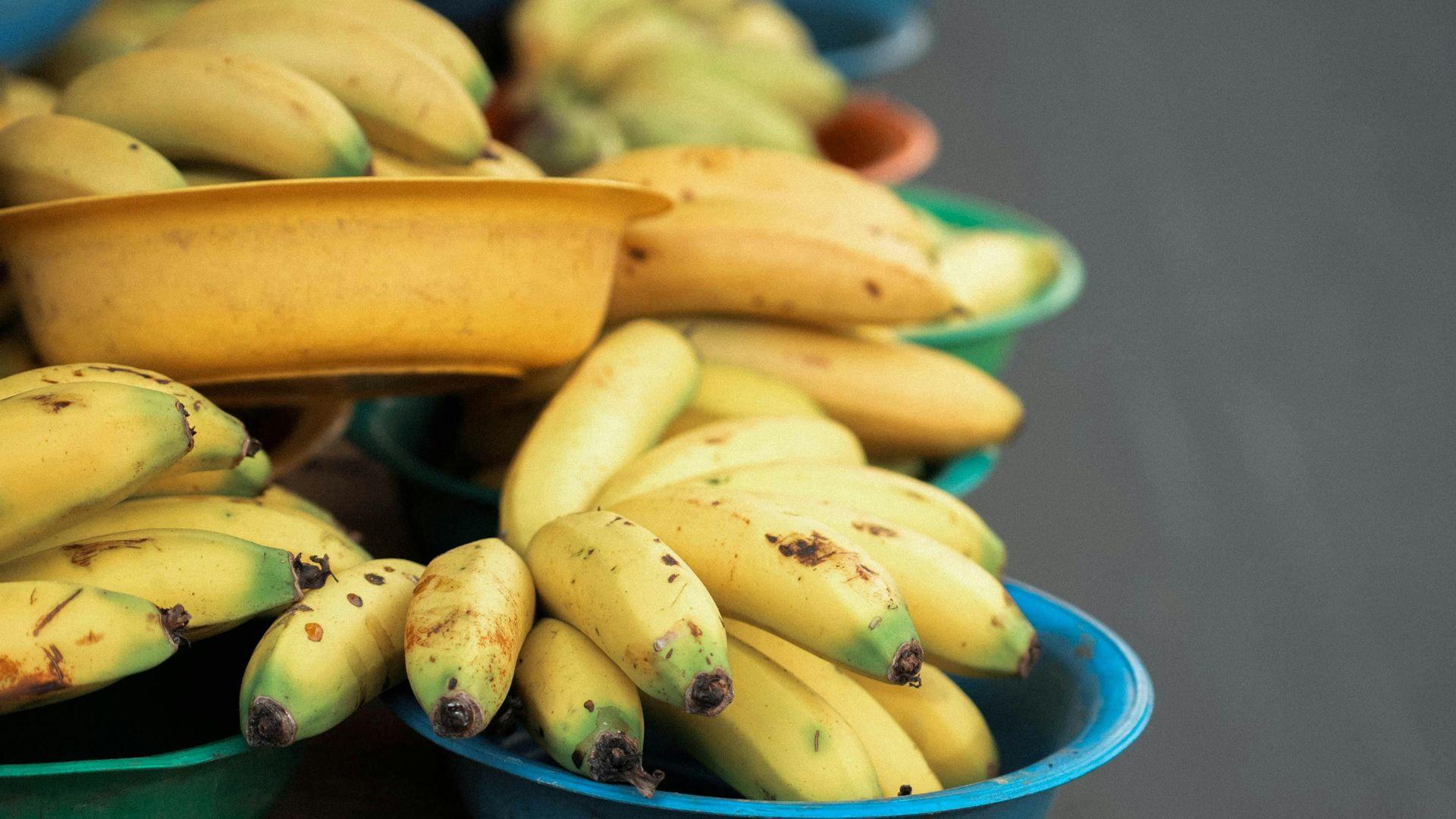
Global Banana Ketchup Market Expands as Consumers Embrace Ethnic and Fruit-Based Condiments
The global banana ketchup market is witnessing steady expansion as consumers increasingly explore diverse culinary experiences and healthier condiment alternatives. According to Renub Research, the market is expected to grow from US$ 1.38 billion in 2024 to US$ 2.28 billion by 2033, registering a compound annual growth rate (CAGR) of 5.73% during 2025–2033 .
Once considered a regional specialty rooted in Filipino cuisine, banana ketchup is now gaining global recognition as a versatile, flavorful, and innovative condiment. Its unique blend of sweetness and tanginess positions it as a compelling alternative to traditional tomato-based sauces.
Download Free Sample Report: https://www.renub.com/request-sample-page.php?gturl=banana-ketchup-market-p.php
Market Overview: From Filipino Staple to Global Culinary Trend
Banana ketchup originated in the Philippines during World War II as a substitute for tomato ketchup. Made from mashed bananas, vinegar, sugar, and spices, the condiment has evolved into a symbol of Filipino culinary heritage.
Today, banana ketchup is widely used as a dip, marinade, and cooking ingredient. It pairs well with fried foods, grilled meats, noodles, and rice dishes, offering a distinctive flavor profile that appeals to a broad range of consumers.
The globalization of food culture, driven by travel, social media, and international cuisine trends, has significantly increased awareness and acceptance of banana ketchup. Consumers across North America, Europe, and Asia-Pacific are embracing this unique condiment as part of their culinary experimentation.
Key Growth Drivers Shaping Market Expansion
1. Rising Global Demand for Ethnic and Fusion Foods
The increasing popularity of ethnic cuisines is one of the primary drivers of the banana ketchup market. Filipino food, in particular, has gained international attention, introducing global consumers to traditional condiments like banana ketchup.
Food bloggers, cooking shows, and social media platforms have played a crucial role in promoting Filipino dishes and ingredients. As consumers seek authentic and diverse flavors, banana ketchup is becoming a natural addition to their kitchens.
Retailers are also capitalizing on this trend. For instance, new product launches and supermarket listings have brought banana ketchup into mainstream retail channels, enhancing visibility and accessibility.
2. Expansion of Online Retail and Global Distribution
The growth of e-commerce has significantly improved the availability of banana ketchup worldwide. Online platforms and international grocery stores now offer a wide range of brands, enabling consumers to access products that were previously limited to specific regions.
This expansion has opened opportunities for both established companies and small-scale producers to reach global markets. Direct-to-consumer sales models, subscription services, and digital marketing strategies are further driving market growth.
Additionally, partnerships with major retail chains have helped banana ketchup secure shelf space in supermarkets, increasing its exposure to new customer segments.
3. Growing Preference for Natural and Fruit-Based Products
Health-conscious consumers are increasingly seeking alternatives to traditional condiments that contain artificial additives. Banana ketchup, often perceived as a fruit-based and natural option, aligns well with this trend.
Many manufacturers are reformulating their products to eliminate artificial coloring and preservatives, using natural ingredients to enhance appeal. This shift is particularly attractive to families, children, and individuals with dietary sensitivities.
The demand for clean-label products is expected to continue driving innovation in the banana ketchup market, encouraging brands to focus on transparency and quality.
Challenges Facing the Banana Ketchup Market
Limited Consumer Awareness Outside Southeast Asia
Despite its growing popularity, banana ketchup still faces recognition challenges in many regions. Consumers unfamiliar with its taste or origin may hesitate to try it, preferring more traditional condiments.
Building awareness requires significant investment in marketing, education, and product sampling. Smaller brands, in particular, may struggle to compete with established players in this regard.
Competition from Established Condiment Brands
The condiment market is highly competitive, dominated by global brands offering products such as tomato ketchup, barbecue sauce, and hot sauce. These products have strong brand loyalty and widespread distribution.
To compete effectively, banana ketchup brands must differentiate themselves through unique flavors, innovative packaging, and targeted marketing strategies. Positioning the product as both exotic and versatile will be key to gaining market share.
Segment Insights: Understanding Market Dynamics
By Type: Sweet vs. Spicy Variants
Sweet banana ketchup remains the most popular segment, known for its mild, fruity flavor and broad consumer appeal. It is widely used in households and foodservice applications.
Spicy banana ketchup, infused with chili or pepper extracts, is gaining traction among younger consumers and food enthusiasts who prefer bold flavors. This segment is expected to grow steadily as global demand for spicy foods increases.
By Packaging: Balancing Convenience and Sustainability
Packaging plays a crucial role in product positioning and consumer preference.
- Glass bottles are favored for premium products due to their ability to preserve flavor and align with sustainability goals.
- Pouches and sachets offer convenience and affordability, making them popular in quick-service restaurants and on-the-go consumption.
Innovative packaging solutions are helping brands cater to diverse consumer needs while enhancing product appeal.
By Distribution Channel: Retail and E-Commerce Growth
Supermarkets and grocery stores remain the primary distribution channels, offering a wide variety of brands and product options. These outlets are essential for reaching mass-market consumers.
However, online sales are rapidly gaining momentum, providing global access and enabling brands to test new markets with lower operational costs. E-commerce platforms also allow consumers to explore reviews, recipes, and product comparisons, enhancing the buying experience.
Regional Insights: Emerging and Established Markets
United States: Growing Interest in Multicultural Foods
The United States is emerging as a key market for banana ketchup, driven by increasing interest in Filipino and multicultural cuisines. Filipino-American communities and specialty stores are playing a significant role in promoting the product.
Mainstream retail adoption and online availability have further expanded its reach, making banana ketchup more accessible to a wider audience.
Germany: Openness to Unique Flavors
Germany’s diverse food culture and health-conscious population are contributing to the growth of banana ketchup in the region. The product is primarily available in specialty stores and ethnic food sections.
Young consumers, in particular, are drawn to innovative and international flavors, creating opportunities for market expansion.
India: A Promising Emerging Market
India’s preference for sweet and spicy condiments makes it a suitable market for banana ketchup. While tomato ketchup dominates, banana ketchup is gaining traction through online platforms and specialty stores.
Its vegetarian-friendly nature and compatibility with local cuisine enhance its growth potential, especially in urban areas.
Brazil and Saudi Arabia: Expanding Awareness
Brazil’s affinity for sweet-savory flavors and Saudi Arabia’s growing demand for international foods present promising opportunities for banana ketchup. As awareness increases, these markets are expected to contribute to global growth.
Competitive Landscape and Key Players
The banana ketchup market includes a mix of regional and international players striving to expand their presence. Key companies include NutriAsia, Dole Food Company, McCormick & Company, Del Monte Foods, and emerging brands like Fila Manila.
These companies are focusing on product innovation, strategic partnerships, and distribution expansion to strengthen their market positions. New product launches, improved formulations, and sustainable packaging initiatives are common strategies adopted by industry players.
Future Outlook: Opportunities in Innovation and Global Expansion
The future of the banana ketchup market lies in innovation, branding, and global expansion. As consumers continue to seek unique and healthier food options, banana ketchup is well-positioned to capitalize on these trends.
Manufacturers are expected to invest in research and development to create new flavors, improve product quality, and enhance packaging. Marketing efforts highlighting the product’s cultural heritage and versatility will also play a crucial role in driving adoption.
The continued growth of e-commerce and international trade will further facilitate market expansion, enabling brands to reach new audiences and increase global penetration.
Final Thoughts
The global banana ketchup market is steadily transitioning from a niche product to a mainstream condiment, supported by evolving consumer preferences and increasing globalization of food culture. With the market projected to reach US$ 2.28 billion by 2033 from US$ 1.38 billion in 2024, the industry offers promising growth opportunities for both established players and new entrants .
While challenges such as limited awareness and strong competition persist, strategic marketing, product innovation, and expanded distribution channels are expected to drive continued growth. As consumers embrace new flavors and healthier alternatives, banana ketchup is set to secure its place on the global culinary stage.

 English
 Arabic
 French
 Spanish
 Portuguese
 Deutsch
 Turkish
 Dutch
Dutch
 Italiano
 Russian
 Romaian
 Portuguese (Brazil)