


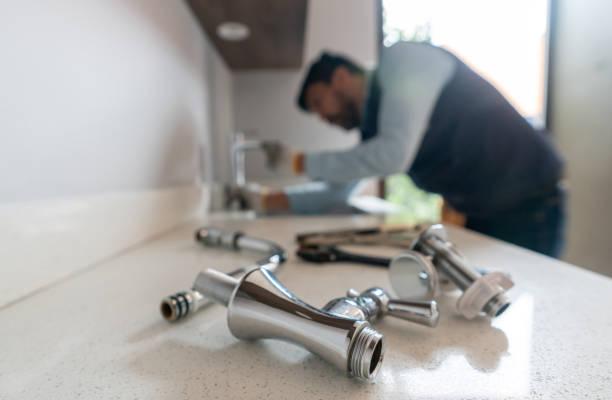
Becoming a licensed plumber typically takes between 4 to 6 years, depending on training structure, apprenticeship progress, and state licensing requirements. Most individuals begin with technical education, followed by hands-on apprenticeship experience, before qualifying for licensing exams. This process ensures they develop both practical and theoretical skills needed for safe and effective plumbing work.
The timeline can vary slightly based on location and commitment level.
For those exploring How long does it take to become a licensed plumber, understanding each stage helps set realistic expectations and career goals.
Key Takeaways
-
Becoming a licensed plumber usually takes 4–6 years
-
Apprenticeships form the largest portion of the timeline
-
Licensing requires exams and verified work hours
-
Training combines classroom and hands-on experience
-
Career growth continues beyond initial licensing
Plumbing is a structured trade career that balances education with real-world application. Unlike many professions, individuals earn while they learn, making it financially accessible from the start.
According to labor data, over 70% of plumbers enter the field through apprenticeships, and demand for skilled trades continues to grow steadily. This consistent need makes plumbing a reliable long-term career path.
Step-by-Step Plumbing Career Path
Understanding the full plumbing career path helps clarify how each stage contributes to becoming licensed. Each phase builds essential knowledge and prepares individuals for professional work.
Step 1: Basic Education and Training
Most individuals start with a high school diploma or equivalent. Some choose to attend trade schools to learn plumbing fundamentals such as pipe systems, safety standards, and blueprint reading.
This phase typically lasts 6 months to 1 year, depending on the program.
Step 2: Apprenticeship Training
The apprenticeship is the most important stage. Individuals work under licensed plumbers while gaining hands-on experience and completing classroom instruction.
This stage usually requires 4 to 5 years and includes thousands of training hours.
Key Stages in the Plumbing Journey
-
Entry-level education or trade school training
-
Apprenticeship with supervised work experience
-
Completion of required training hours
-
Passing licensing exams
-
Transition to independent work
Licensing Requirements and Timeline
After completing an apprenticeship, individuals must pass licensing exams to become certified plumbers. The plumber license time depends on how quickly they complete training hours and prepare for exams.
Licensing Process Overview
| Stage | Requirement | Estimated Duration |
| Apprentice | Enroll and begin training | 0–1 year |
| Journeyman | Complete apprenticeship + exam | 4–5 years |
| Master Plumber | Advanced experience + exam | 1–2 additional years |
Most plumbers achieve journeyman status within five years. Advancing to master plumber can take up to seven years total.
Factors That Influence the Timeline
While the general timeline is predictable, several factors can speed up or slow down the process.
Full-time apprenticeships allow individuals to complete required hours faster. Part-time training or delays in exam preparation can extend the timeline.
Local demand also affects opportunities. In areas where people frequently search for plumbing services near me, apprenticeship openings and job availability tend to be higher.
Factors That Affect Completion Time
-
Availability of apprenticeship programs
-
Full-time versus part-time training schedules
-
Individual learning pace and exam readiness
-
Regional demand for plumbing professionals
Skills Developed During Training
Plumbing training goes beyond technical knowledge. It develops problem-solving abilities, physical coordination, and communication skills.
Professionals must diagnose issues, repair systems, and interact with customers effectively. These skills are essential for building a successful career.
In markets where homeowners look for an affordable plumber near me, those who combine skill with customer service often stand out.
Core Skills Gained During Training
-
Understanding plumbing systems and tools
-
Diagnosing and repairing issues efficiently
-
Following safety codes and regulations
-
Communicating clearly with clients
Cost of Becoming a Licensed Plumber
The cost of training varies depending on the educational path. Trade school programs may cost between $3,000 and $15,000, while apprenticeships often provide paid training.
Licensing exams and certifications add additional costs, typically ranging from $100 to $300.
Despite initial expenses, plumbing offers strong earning potential. Many licensed plumbers earn over $60,000 annually, with experienced professionals exceeding $80,000.
Career Opportunities After Licensing
Once licensed, plumbers can explore multiple career paths. They may work in residential services, commercial construction, or specialize in emergency repairs.
Some professionals eventually start their own businesses, increasing their income potential and independence.
Midway through their careers, many gain experience working with established companies like Blue Pacific Cape Cod, allowing them to refine skills and handle diverse projects.
What to Consider Before Choosing This Career
Before pursuing a plumbing career, individuals should evaluate several factors.
They must be comfortable with physical work, including lifting, bending, and working in confined spaces. The apprenticeship phase also requires patience and dedication.
However, the benefits—steady income, job security, and career growth—make plumbing a practical and rewarding choice.
Planning ahead and committing to consistent training significantly improves success in this field.
Common Questions About Becoming a Licensed Plumber
Many individuals ask whether trade school is necessary. While not mandatory, it can accelerate learning and improve job readiness.
Another common question is whether apprenticeships are paid. In most cases, apprentices earn wages that increase as they gain experience.
People also wonder about job stability. Plumbing remains one of the most in-demand skilled trades, ensuring long-term opportunities.
Frequently Asked Questions
How long does it take to become a licensed plumber?
It typically takes 4 to 6 years, including education, apprenticeship, and licensing exams. The timeline may vary depending on training pace and location.
Do plumbers need formal education?
Formal education is not always required, but trade school can provide a strong foundation and improve career prospects.
Can someone work while training?
Yes, apprenticeships allow individuals to earn income while gaining hands-on experience and completing training requirements.
What is the difference between journeyman and master plumber?
A journeyman plumber can work independently, while a master plumber has advanced experience and can supervise others or run a business.
Is plumbing a stable career choice?
Yes, plumbing offers strong job security due to consistent demand for maintenance, repairs, and construction services.
Conclusion
Becoming a licensed plumber requires time, dedication, and structured training. While the process typically takes several years, it leads to a stable and rewarding career with strong earning potential. By understanding each step in the journey, individuals can plan effectively and build a successful future in the plumbing industry.
Starting a career in plumbing or hiring a trusted professional begins with the right guidance. Connect with experienced experts who understand training paths, licensing, and service standards. Whether planning your career or seeking reliable plumbing solutions, professional support ensures better results. Reach out today to get expert advice, accurate insights, and dependable service tailored to your needs and long-term goals.

 English
 Arabic
 Spanish
 Portuguese
 Deutsch
 Turkish
 Dutch
Dutch
 Italiano
 Russian
 Romaian
 Portuguese (Brazil)
 Tiếng Việt