


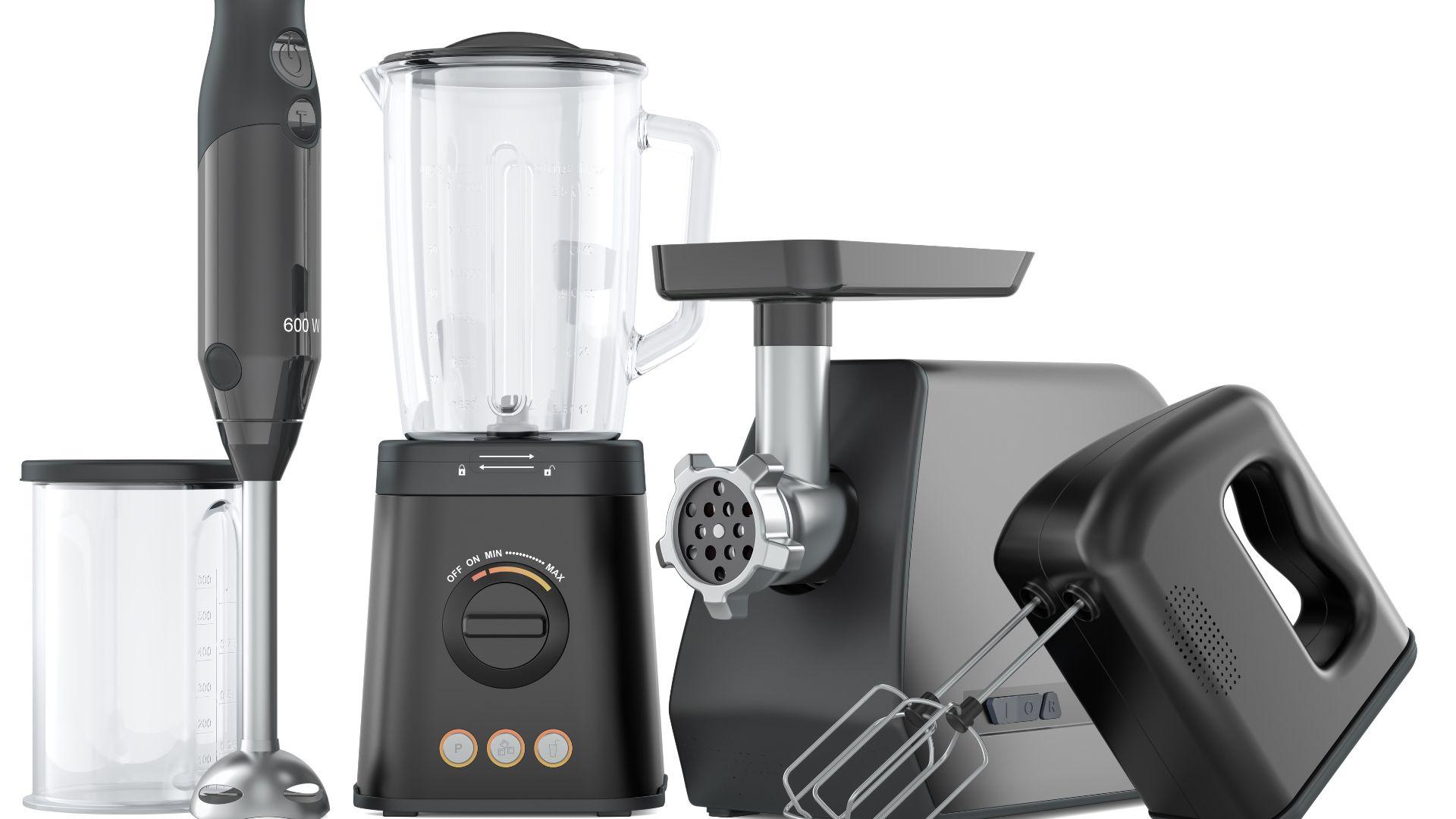
India Mixer Grinder Market Sees Strong Growth Driven by Urban Lifestyles
The India mixer grinder market is experiencing steady expansion as evolving lifestyles, urbanization, and demand for convenient kitchen solutions reshape consumer behavior. According to Renub Research, the market is expected to grow from US$ 182.66 million in 2025 to US$ 333.85 million by 2034, registering a CAGR of 6.93% from 2026 to 2034 .
This growth reflects the increasing importance of modern kitchen appliances in Indian households, where efficiency, time-saving, and versatility are becoming essential factors in daily cooking routines.
Download Free Sample Report:https://www.renub.com/request-sample-page.php?gturl=india-mixer-grinder-market-p.php
Mixer Grinders: A Staple in Indian Kitchens
Mixer grinders are indispensable appliances in Indian homes, used for grinding spices, preparing chutneys, blending batters, and making beverages. Equipped with motors and specialized jars for different tasks, these appliances simplify complex cooking processes.
India’s rich culinary culture, which relies heavily on freshly ground ingredients, has made mixer grinders a necessity rather than a luxury. The shift from traditional grinding methods to electric appliances has significantly enhanced convenience and efficiency.
Key Growth Drivers Fueling Market Expansion
1. Strong Cultural Preference for Fresh Food
Indian cuisine is deeply rooted in the use of freshly prepared ingredients such as spices, masalas, and batters. Mixer grinders play a critical role in enabling this process quickly and efficiently.
From chutneys and curry pastes to dosa and idli batter, these appliances are used daily in households across the country. This consistent usage ensures sustained demand, even in rural areas where electrification is expanding.
2. Rising Urbanization and Nuclear Families
Urbanization is a major factor driving the adoption of mixer grinders. With a growing percentage of India’s population living in cities and the rise of nuclear families, there is an increasing need for compact and efficient kitchen appliances.
Urban households often face:
- Limited space
- Busy work schedules
- Time constraints
Mixer grinders address these challenges by offering quick and versatile solutions for meal preparation. The increase in disposable incomes and improved living standards further support market growth .
3. Product Innovation and Affordable Pricing
Continuous innovation is making mixer grinders more appealing to consumers. Manufacturers are introducing features such as:
- High-power motors
- Multi-speed controls
- Noise reduction technology
- Energy-efficient designs
Affordable pricing across various product segments ensures accessibility to a wide range of consumers, from budget-conscious households to premium buyers.
New product launches with advanced features are also enhancing user experience and driving replacement demand.
Market Challenges to Address
Price Sensitivity in Rural Markets
While urban demand is strong, price sensitivity remains a challenge in rural areas. Manufacturers must balance affordability with quality to expand their reach in these markets.
Competition and Brand Differentiation
The market is highly competitive, with numerous brands offering similar products. Companies must focus on innovation, durability, and after-sales service to differentiate themselves.
Awareness and Adoption Gaps
Although mixer grinders are widely used, there is still scope for increasing awareness about advanced features and energy-efficient models, particularly in semi-urban and rural regions.
Segment Analysis: Key Market Categories
Mixer Segment
Mixers are widely used for blending and whipping ingredients. Increasing demand for convenience and efficiency is driving growth in this segment.
Grinder Segment
Grinders are essential for preparing spices, grains, and batters. The shift from manual to electric grinding has significantly boosted this segment.
Juicer Segment
The growing focus on health and nutrition is driving demand for juicers. Consumers are increasingly opting for fresh fruit and vegetable juices at home.
Residential Segment
The residential segment dominates the market, driven by the widespread use of mixer grinders in households. The popularity of home-cooked meals continues to support demand.
Commercial Segment
Commercial mixer grinders are used in restaurants, hotels, and food processing units. The growth of the foodservice industry is fueling demand for high-capacity and durable appliances.
Regional Insights: State-Level Growth Trends
Uttar Pradesh
Uttar Pradesh is a key market due to its large population and strong reliance on home-cooked food. Cities like Lucknow, Noida, and Kanpur are witnessing increased adoption of modern kitchen appliances.
Rising middle-class incomes and improved electrification are contributing to market growth in the state .
Maharashtra
Maharashtra leads the market with high urbanization and purchasing power. Cities such as Mumbai and Pune drive demand for advanced and premium mixer grinders.
Andhra Pradesh
Traditional cooking habits and increasing urbanization are fueling demand in Andhra Pradesh. Consumers are adopting modern appliances for convenience and efficiency.
West Bengal
West Bengal’s market is driven by culinary traditions and the growing middle class. Increasing availability and affordability are supporting adoption.
Competitive Landscape: Leading Market Players
The India mixer grinder market is highly competitive, with several established players focusing on innovation and expansion. Key companies include:
- Philips India Limited
- Preethi Kitchen Appliances Pvt Ltd
- Bajaj Electricals Limited
- Panasonic India Pvt Ltd
- Havells India Limited
- Crompton Greaves Consumer Electricals Limited
- Usha International Limited
- Butterfly Gandhimathi Appliances Limited
These companies are investing in product development, distribution networks, and branding to strengthen their market position.
Future Outlook: Smart Kitchens and Innovation to Drive Growth
The future of the India mixer grinder market will be shaped by:
- Increasing adoption of smart kitchen appliances
- Growth of e-commerce and online retail channels
- Rising demand for energy-efficient products
- Expansion into rural and semi-urban markets
As consumers continue to prioritize convenience and efficiency, mixer grinders will remain a central component of modern kitchens.
Final Thoughts
The India mixer grinder market is on a steady growth trajectory, supported by cultural preferences, urbanization, and technological advancements. As highlighted by Renub Research, the market’s expansion to US$ 333.85 million by 2034 reflects its essential role in Indian households .
While challenges such as price sensitivity and competition persist, the market’s strong fundamentals and innovation-driven approach position it for sustained growth. Manufacturers that focus on affordability, durability, and advanced features will be well-positioned to capture emerging opportunities.
In a country where food is deeply tied to culture and tradition, mixer grinders are not just appliances—they are indispensable tools that continue to shape the modern Indian kitchen.
CTR Headline (Top Display Title):
Taste Innovation Drives Global Growth in Flavor Enhancement Industry
SEO Headline (65–70 characters)
Flavor Carriers Market to Reach $325.01 Billion by 2034 Growth
Meta Description
Bitterness suppressors and flavor carriers market is set to reach $325.01 billion by 2034, driven by demand for functional foods and better taste experiences.
Global Bitterness Suppressors and Flavor Carriers Market Expands with Taste Innovation
The global bitterness suppressors and flavor carriers market is witnessing steady growth as industries increasingly prioritize taste enhancement alongside nutrition and functionality. According to Renub Research, the market is expected to expand from US$ 224.43 billion in 2025 to US$ 325.01 billion by 2034, registering a CAGR of 4.2% from 2026 to 2034 .
This growth reflects the rising importance of sensory experience in food, beverages, pharmaceuticals, and nutraceuticals, where taste plays a crucial role in consumer acceptance and product success.
Understanding Bitterness Suppressors and Flavor Carriers
Bitterness suppressors and flavor carriers are specialized ingredients designed to enhance taste and improve the overall sensory profile of products.
- Bitterness suppressors mask or reduce unpleasant bitter notes commonly found in functional ingredients such as plant extracts, proteins, vitamins, and pharmaceuticals.
- Flavor carriers ensure uniform distribution and controlled release of flavors, enhancing product consistency and appeal.
These ingredients are essential in modern product development, especially as manufacturers incorporate more health-focused and plant-based components that often carry undesirable taste profiles.
Key Growth Drivers Shaping the Market
1. Rising Demand for Functional Foods and Beverages
The increasing popularity of functional foods and beverages is a major driver of market growth. Consumers are seeking products enriched with:
- Proteins
- Vitamins and minerals
- Probiotics
- Plant-based extracts
However, many of these ingredients have inherently bitter tastes. Bitterness suppressors and flavor carriers enable manufacturers to deliver health benefits without compromising taste, making products more appealing to consumers.
2. Expansion of Pharmaceutical and Nutraceutical Industries
The pharmaceutical and nutraceutical sectors are significantly contributing to market expansion. Many active pharmaceutical ingredients (APIs) and dietary supplements have strong bitter flavors, which can affect patient compliance.
Taste-masking solutions are particularly important for:
- Pediatric medications
- Geriatric formulations
- Oral dissolvable tablets
- Syrups and chewables
As healthcare becomes more patient-centric, improving the sensory experience of medications is becoming a key priority.
3. Growing Popularity of Plant-Based and Clean-Label Products
The shift toward plant-based and clean-label products is further driving demand for advanced flavor solutions. Natural ingredients often introduce bitter or earthy flavors, necessitating effective taste-masking technologies.
Flavor carriers also support:
- Natural flavor stabilization
- Reduction of artificial additives
- Clean-label product development
As sustainability and transparency gain importance, companies are investing in innovative solutions to maintain taste while meeting consumer expectations.
Market Challenges to Address
Formulation Complexity
Developing effective bitterness suppression without altering texture, aroma, or nutritional value is a complex process. Compatibility issues between ingredients can affect product stability and performance, requiring extensive research and development.
Regulatory Constraints and Cost Pressures
Strict regulations governing food and pharmaceutical ingredients can slow product development. Additionally, advanced flavor technologies often involve higher production costs, posing challenges in price-sensitive markets.
Segment Analysis: Key Market Categories
Bitterness Suppressors Market
This segment is growing rapidly as manufacturers aim to improve the taste of products containing bitter ingredients. It is widely used in functional foods, sports nutrition, and pharmaceuticals.
Flavor Carriers Market
Flavor carriers play a crucial role in ensuring consistent flavor distribution and stability. They are widely used in beverages, dairy products, baked goods, and pharmaceutical formulations.
Natural Ingredients Segment
The demand for natural bitterness suppressors and flavor carriers is increasing due to the rise of clean-label products. Consumers prefer ingredients derived from natural sources, driving innovation in this segment.
Liquid Form Segment
Liquid bitterness suppressors and flavor carriers are gaining popularity due to their ease of use and compatibility with beverages, syrups, and liquid supplements.
Pharmaceutical Applications
The pharmaceutical segment is a key growth area, driven by the need to improve patient compliance through better-tasting medications.
Regional Insights: Global Market Trends
United States
The U.S. market is highly developed, with strong demand from food, beverage, and pharmaceutical industries. The focus on functional and plant-based products is driving innovation in taste-masking technologies.
United Kingdom
The UK market is expanding steadily, supported by increasing demand for health-focused and clean-label products. Regulatory standards ensure high-quality flavor solutions.
India
India is emerging as a significant market due to its large pharmaceutical manufacturing base and growing demand for functional foods and dietary supplements.
Saudi Arabia
The Saudi market is growing steadily, driven by changing dietary habits and increasing demand for flavored medications and functional foods.
Competitive Landscape: Leading Industry Players
The global market is characterized by strong competition and continuous innovation. Key companies include:
- Cargill Incorporated
- Koninklijke DSM N.V.
- Givaudan SA
- International Flavors & Fragrances Inc.
- Kerry Group Plc
- Symrise AG
- Tate & Lyle PLC
- Takasago International Corp
These companies are investing in advanced technologies, sustainable sourcing, and product innovation to strengthen their market position.
Future Outlook: Taste and Health to Drive Market Evolution
The future of the bitterness suppressors and flavor carriers market will be shaped by:
- Increasing demand for personalized nutrition
- Growth of plant-based and functional products
- Advancements in encapsulation and flavor delivery technologies
- Rising focus on clean-label and sustainable ingredients
As consumer expectations evolve, the ability to deliver both taste and health benefits will become a critical differentiator for manufacturers.
Final Thoughts
The global bitterness suppressors and flavor carriers market is set for steady growth, driven by the increasing importance of taste in health-focused products. As highlighted by Renub Research, the market’s projected expansion to US$ 325.01 billion by 2034 underscores its critical role in modern product innovation .
While challenges such as formulation complexity and regulatory constraints remain, ongoing advancements in flavor technology are creating new opportunities for growth. Companies that successfully balance taste, health, and sustainability will be best positioned to thrive in this evolving landscape.
In an era where consumers demand both nutrition and enjoyment, bitterness suppressors and flavor carriers are no longer optional—they are essential to delivering products that truly resonate in the global market.

 English
 Arabic
 French
 Spanish
 Portuguese
 Deutsch
 Turkish
 Italiano
 Russian
 Romaian
 Portuguese (Brazil)
 Tiếng Việt