


Global Fast Food Market Set for Explosive Growth as Convenience Drives Consumer Demand
The global fast food industry is undergoing a major transformation, fueled by shifting consumer lifestyles, rapid urbanization, and the expansion of digital food delivery platforms. According to Renub Research, the market is projected to grow from US$ 940.52 billion in 2025 to an impressive US$ 1,513.72 billion by 2034, registering a compound annual growth rate (CAGR) of 5.43% between 2026 and 2034 .
This remarkable growth highlights the increasing global dependence on quick-service food solutions as consumers prioritize speed, affordability, and convenience in their daily lives.
Download Free Sample Report:https://www.renub.com/request-sample-page.php?gturl=fast-food-market-p.php
Fast Food Industry Overview: A Global Convenience Phenomenon
Fast food refers to ready-to-eat or quickly prepared meals served through quick-service restaurants (QSRs), drive-through outlets, food courts, and takeaway counters. Popular categories include:
- Burgers and sandwiches
- Pizza and pasta
- Fried chicken
- Noodles and snacks
The hallmark of fast food lies in standardized preparation, quick service, and consistent taste across locations. With combo meals, value pricing, and customizable menus, fast food brands have successfully adapted to diverse consumer preferences worldwide.
As modern lifestyles become increasingly fast-paced, the demand for convenient meal solutions continues to rise, making fast food an integral part of global food consumption patterns.
Key Growth Drivers Powering the Market
1. Changing Lifestyles and Demand for Convenience
One of the primary drivers of the fast food market is the evolving lifestyle of consumers. Urbanization, longer working hours, and increasing workforce participation—especially among women—have reduced the time available for home cooking.
Fast food offers a practical solution, enabling consumers to access quick, affordable meals without compromising on taste. Students and working professionals, in particular, are major contributors to the growing demand.
2. Expansion of Quick-Service Restaurant Chains
The rapid expansion of quick-service restaurant (QSR) chains across global markets is significantly boosting industry growth. Companies are leveraging franchise models to expand into:
- Emerging markets
- Tier-2 and tier-3 cities
- High-traffic urban locations
By localizing menus to suit regional tastes, brands are increasing consumer acceptance and market penetration.
The growth of commercial hubs, shopping malls, and highway food outlets further enhances accessibility, contributing to the widespread popularity of fast food.
3. Rise of Online Food Delivery and Digital Ordering
Digital transformation has revolutionized the fast food industry. Consumers can now order meals through:
- Mobile applications
- Online platforms
- Digital payment systems
Food delivery services have made fast food more accessible than ever, allowing consumers to enjoy meals from the comfort of their homes.
Innovative marketing campaigns, loyalty programs, and real-time tracking features are enhancing customer engagement and driving repeat purchases.
Market Segmentation: Key Categories Driving Growth
Pizza and Pasta Segment
Pizza and pasta remain among the most popular fast food categories globally. Their versatility and customization options allow brands to cater to diverse tastes and dietary preferences.
Innovations such as gluten-free options and plant-based toppings are expanding consumer appeal.
Burgers and Sandwiches Segment
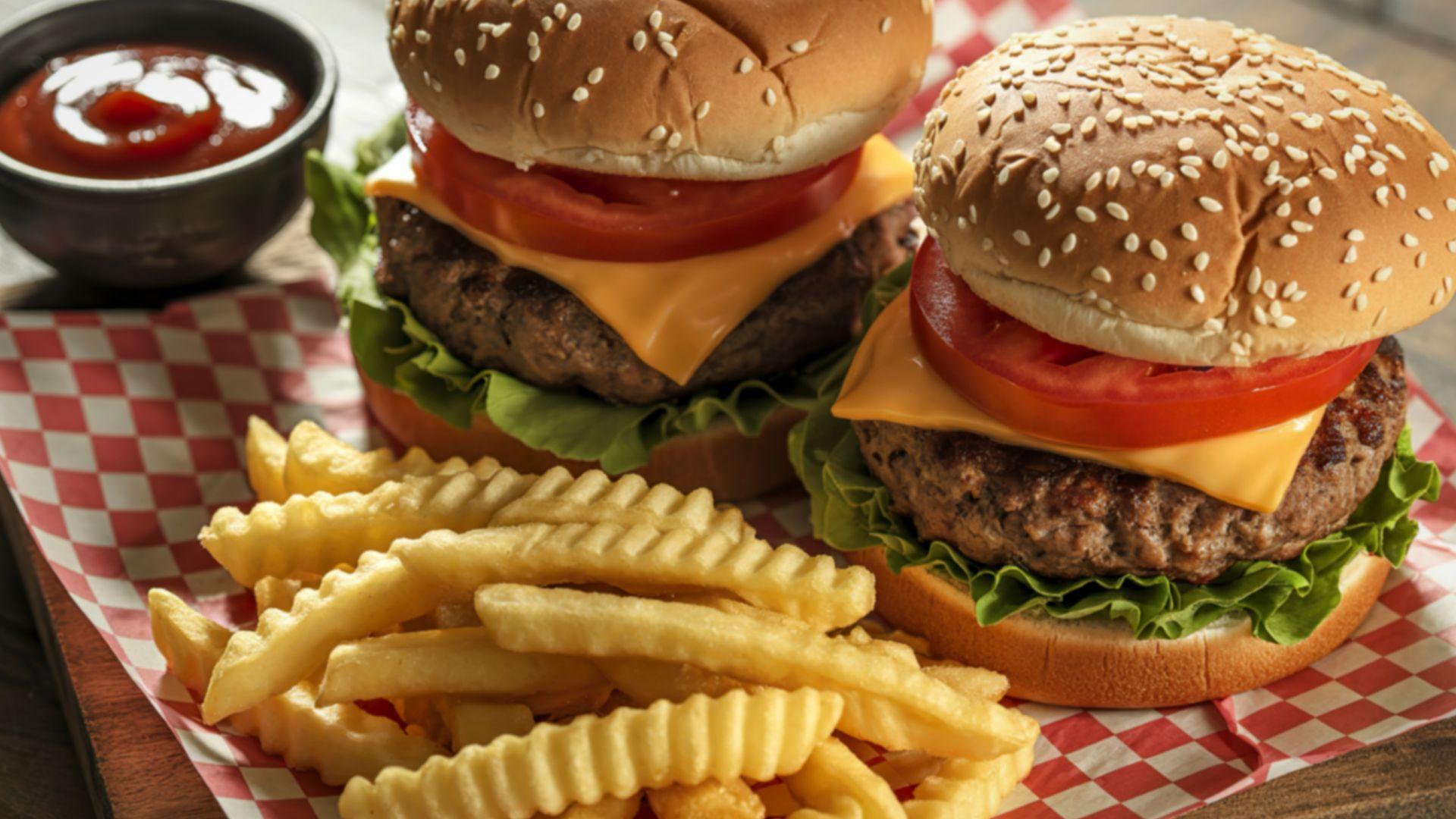
Burgers and sandwiches continue to dominate the fast food market due to their convenience and widespread popularity. Their “on-the-go” nature makes them a preferred choice for busy consumers.
Continuous product innovation and strong brand presence ensure sustained growth in this segment.
Quick-Service Restaurants (QSRs)
QSRs represent the largest segment of the fast food industry. Their focus on speed, affordability, and efficiency aligns perfectly with modern consumer expectations.
Drive-through services and delivery options further enhance convenience, making QSRs a cornerstone of market growth.
Full-Service Fast Food Restaurants
Full-service fast food restaurants offer a hybrid experience, combining quick preparation with dine-in services. These outlets cater to families and social gatherings, providing a more relaxed dining environment.
Regional Insights: Global Market Dynamics
United States: Mature and Highly Competitive Market
The United States remains one of the largest fast food markets globally, driven by high disposable incomes, busy lifestyles, and a strong culture of dining out.
The presence of major global chains, advanced digital ordering systems, and widespread drive-through facilities supports continued growth.
United Kingdom: Growth Driven by Delivery Platforms
The UK market is expanding steadily due to increasing reliance on food delivery services and changing dietary habits. Consumers are increasingly seeking convenient yet healthier fast food options.
India: Rapid Expansion and Youth-Driven Demand
India is emerging as a high-growth market, fueled by urbanization, a young population, and expanding fast food chains in smaller cities.
The rise of food delivery apps and localized menu offerings are key factors driving growth.
Saudi Arabia: Premiumization and Urban Lifestyle Trends
Saudi Arabia’s fast food market is driven by a young population, rising disposable incomes, and increasing demand for premium dining experiences.
International brands and delivery services are gaining traction, contributing to market expansion.
Challenges Facing the Fast Food Industry
1. Growing Health Awareness
Increasing awareness of health and nutrition is a major challenge for the fast food industry. Consumers are becoming more conscious of the risks associated with high-fat, high-sugar, and high-sodium diets.
This shift is pushing brands to introduce healthier menu options and transparent nutritional information.
2. Rising Operational Costs
Fast food companies are facing increasing costs related to:
- Raw materials
- Labor
- Packaging
- Logistics
Supply chain disruptions and inflationary pressures further complicate operations, impacting profitability.
3. Intense Competition
The fast food market is highly competitive, with numerous global and regional players vying for market share. Continuous innovation and differentiation are essential for maintaining a competitive edge.
Competitive Landscape: Leading Industry Players
The global fast food market is dominated by major international brands that focus on innovation, expansion, and customer engagement. Key players include:
- Starbucks Corp.
- Papa John’s International Inc.
- Domino’s Pizza Inc.
- Wendy’s
- Yum! Brands, Inc.
- Restaurant Brands International Inc.
- Kentucky Fried Chicken (KFC)
These companies are investing in digital technologies, sustainable practices, and menu innovation to meet evolving consumer demands.
Future Outlook: Digital, Sustainable, and Consumer-Centric
The future of the fast food industry will be shaped by several key trends:
- Expansion of digital ordering and delivery platforms
- Introduction of healthier and plant-based menu options
- Adoption of sustainable packaging and sourcing practices
- Integration of AI and data analytics for personalized customer experiences
As consumer preferences continue to evolve, fast food companies must adapt to remain relevant in a highly dynamic market.
Final Thoughts
The global fast food market is set for significant growth, driven by convenience, urbanization, and technological innovation. With projections reaching US$ 1.51 trillion by 2034, the industry remains a vital component of the global food service sector.
While challenges such as health concerns and rising costs persist, the sector’s ability to innovate and adapt positions it for long-term success.
Ultimately, fast food is no longer just about speed—it is about delivering value, variety, and convenience in a rapidly changing world.

 English
 Arabic
 French
 Spanish
 Portuguese
 Deutsch
 Turkish
 Dutch
Dutch
 Italiano
 Russian
 Romaian
 Portuguese (Brazil)