


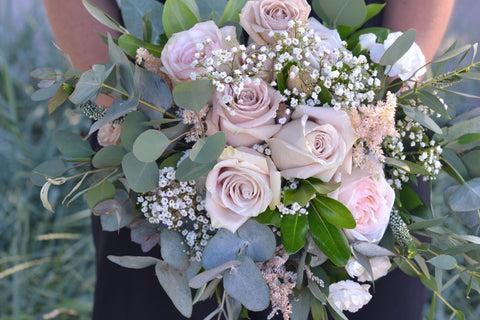
Your wedding day is one of the most beautifully curated events of your life, and flowers are at the very heart of it. From the bouquet you carry down the aisle to the centerpieces your guests admire all evening, floral choices shape the mood, memory, and aesthetic of everything. And if there is one piece of advice every experienced wedding florist agrees on, it is this: choose seasonal flowers. Blooms that are at their natural peak bring a freshness, fragrance, and authenticity to wedding floral arrangements that no out-of-season import can replicate. This guide walks you through everything you need to know — why seasonality matters, what each season offers, and how to design wedding florals that feel truly, timelessly yours.
Why Seasonal Flowers Make the Best Wedding Floral Arrangements?
There is a reason that the world's most celebrated floral designers consistently return to seasonal blooms. Seasonal flowers are those grown and harvested during their natural peak period, and when you work with them rather than against nature's calendar, the results speak for themselves.
Here is why seasonality should be the foundation of every wedding floral arrangement:
-
Exceptional Freshness — Seasonal flowers have not been refrigerated, shipped across continents, or forced into bloom ahead of schedule. They arrive at their most vital, holding their structure and scent beautifully from the ceremony through the last dance.
-
Richer, True Color — Blooms grown in their natural season develop color under the right light and temperature conditions, resulting in deeper tones and a natural luminosity that imported flowers rarely match.
-
More Fragrance — Many flowers lose their scent during long-haul transport and cold storage. Seasonal blooms retain the fragrance that makes walking into a flower-filled venue a full sensory experience.
-
Sustainable Choice — Seasonal sourcing dramatically reduces the environmental footprint of your wedding flowers. Local and seasonal blooms require less transportation, fewer chemicals, and less energy to produce.
-
Better Value — When flowers are in natural abundance, prices are lower. Choosing seasonal blooms means your floral budget stretches further, allowing for lusher bouquets, fuller centerpieces, and more ambitious ceremony decor.
-
A Sense of Time and Place — Seasonal wedding floral arrangements tell a story about when and where your wedding happened. That quality narrative is something no artificially forced bloom can provide.
"Working with seasonal flowers is not a limitation, it is the secret to arrangements that feel alive, honest, and unforgettable."
A Season-by-Season Guide to Wedding Flowers
Every season has its own floral personality, its own palette, texture, and mood. Here is a comprehensive look at what each season offers for wedding floral arrangements, along with design suggestions to make the most of nature's gifts.
Spring: Fresh, Romantic, and Full of Promise
Spring is the season of new beginnings, and its flowers carry that energy beautifully. After the quiet of winter, the first soft blooms of the year arrive with a tenderness that feels perfectly suited to a wedding day.
Top seasonal flowers for spring weddings:
-
Tulips — Graceful and versatile, tulips come in ivory, blush, coral, and deep plum. They work beautifully in both modern minimalist bouquets and lush, layered arrangements.
-
Ranunculus — Densely petalled and irresistibly romantic, ranunculus is a spring showstopper in bridal bouquets and bridesmaid posies alike.
-
Lilacs — Their clusters of tiny florets and distinctive, heady fragrance make lilacs unforgettable in ceremony decor and rustic table arrangements.
-
Hyacinth — Available in white, soft pink, and lavender, hyacinths bring fragrance and a classic elegance to spring wedding florals.
-
Anemones — With their bold, black-centred faces and paper-thin petals, anemones add a contemporary edge to spring wedding floral arrangements.
-
Daffodils & Narcissus — Cheerful, sunny, and unmistakably spring, these blooms work best in casual, garden-inspired floral designs.
Spring palette ideas: ivory and blush pink, lavender and soft sage, lemon yellow with white. Ideal for garden ceremonies, vineyard venues, and intimate indoor receptions with a botanical feel.
Summer: Abundant, Vibrant, and Glorious Full
Summer is peak wedding season for good reason — the days are long, the light is golden, and the flowers are in full, spectacular abundance. Wedding floral arrangements in summer can be as lush and extravagant as you have ever imagined.
Top seasonal flowers for summer weddings:
-
Peonies — The undisputed queen of bridal flowers, peonies are lush, fragrant, and available in shades from palest blush to deep coral and magenta. Their season is short (typically late spring through early summer), which makes them all the more prized.
-
Garden Roses — Richer and more textured than standard roses, garden roses are a summer staple with a wide range of colours and a beautiful, old-world quality.
-
Sweet Peas — Delicate, trailing, and wonderfully fragrant, sweet peas bring a romantic, cottagecore charm to summer bridal bouquets.
-
Lavender — Aromatic and versatile, lavender works as a filler, a boutonniere accent, or a standalone element in wildflower-inspired designs.
-
Sunflowers — Joyful and boldly beautiful, sunflowers bring warmth to outdoor celebrations and pair well with textured greenery and wildflower bundles.
-
Lisianthus — Often mistaken for roses or peonies, lisianthus has a ruffled, layered quality that adds sophistication to summer wedding floral arrangements.
-
Early Dahlias — Available from midsummer onward, dahlias begin appearing in late July and offer extraordinary variety in shape, size, and colour.
Summer palette ideas: coral and gold, blush and terracotta, deep burgundy with ivory, all-white. Suits outdoor ceremonies, garden parties, and open-air receptions of every style.
Autumn: Rich, Moody, and Breathtakingly Beautiful
Autumn weddings have an atmosphere that no other season can replicate — the warm, amber light, the crispness in the air, and a colour palette that feels like the world is dressing up just for the occasion. Seasonal flowers in autumn are among the most dramatic and design-rich of the entire year.
Top seasonal flowers for fall weddings:
-
Dahlias (Peak Season) — From August through October, dahlias are at their absolute best. Dinner-plate dahlias in deep burgundy, burnt orange, chocolate brown, and dusty rose make for some of the most breathtaking wedding floral arrangements of the year.
-
Chrysanthemums — Long-lasting and richly textured, mums have had a stylish revival in contemporary floral design. In terracotta, rust, and white, they are a fall wedding essential.
-
Marigolds — Earthy, vibrant, and deeply autumnal, marigolds bring warmth and texture to fall table arrangements and ceremony decor.
-
Amaranthus — The cascading, velvet-plume quality of amaranthus adds drama and bohemian beauty to bridal bouquets and ceremony arches.
-
Zinnias — Cheerful and long-lasting, zinnias come in warm shades that fit perfectly into autumn palettes.
-
Rosehips and Seed Pods — These textural elements add depth, wildness, and a sense of natural authenticity that grounds fall wedding floral arrangements beautifully.
-
Cosmos — Feathery and light, cosmos adds movement and softness to arrangements that might otherwise feel heavy with rich autumn tones.
Fall palette ideas: burnt orange and deep plum, wine red and champagne, mustard and terracotta with eucalyptus. Perfect for barn venues, woodland settings, and intimate evening receptions.
Winter: Dramatic, Elegant, and Quietly Stunning
Winter weddings carry a magic that is entirely their own — candlelight, velvet, and the hushed beauty of a cold season. Seasonal flowers for winter lean into deep tones, rich textures, and evergreen elements that feel truly at home in the colder months.
Top seasonal flowers for winter weddings:
-
Hellebores — Sophisticated and unusual, hellebores nod gently and come in dusty rose, deep burgundy, and near-black. They are a favorite florist for moody, editorial winter wedding arrangements.
-
Amaryllis — Dramatic and bold, amaryllis blooms in rich red, white, and striped varieties. A single stem makes a statement in a centerpiece.
-
White Garden Roses — Timeless and pristine, white roses in winter carry a quiet elegance that suits both classic and modern wedding aesthetics.
-
Anemones — In winter, their stark white petals and jet-black centers look especially striking. Anemones add a modern, graphic quality to winter wedding floral arrangements.
-
Paperwhites & Narcissus — Delicate and intensely fragrant, paperwhites bring lightness to winter tablescapes without competing with bolder elements.
-
Eucalyptus & Silver Brunia — These evergreen stems and silver-tipped branches provide texture, shimmer, and a wintry woodland quality that complements almost every winter bloom.
-
Pine, Berry Branches & Evergreen Foliage — Nature-inspired and seasonally honest, these elements root winter wedding floral arrangements in the beauty of the cold season itself.
Winter palette ideas: all white with silver and gold, deep cranberry and forest green, ivory with dusty blue and greenery. Ideal for venue weddings, candlelit evening ceremonies, and intimate gatherings.
The Right Flower at the Right Time
There is something quietly profound about a wedding filled with flowers that belongs to the season. They speak of the world as it is on that specific day — the light, the temperature, the particular quality of that time of year. Seasonal flowers do not just look beautiful in photographs. They smell alive in the room. They hold their petals through the ceremony and the speeches and the first dance. They make the day feel rooted in something real.
When you choose seasonal flowers for your wedding floral arrangements, you are not just making a practical decision. You are making a poetic one, choosing blooms that are truly present in the moment alongside you.

 English
 Arabic
 French
 Spanish
 Portuguese
 Deutsch
 Turkish
 Dutch
Dutch
 Italiano
 Russian
 Romaian
 Portuguese (Brazil)