


Global Cardiac Holter Monitor Market Outlook Driven by Preventive Healthcare and Innovation
The global healthcare industry is witnessing a growing emphasis on early diagnosis and continuous monitoring of cardiovascular conditions. Among the technologies enabling this shift, cardiac Holter monitors have emerged as a vital diagnostic tool for detecting irregular heart rhythms and monitoring cardiac health over extended periods. As cardiovascular diseases continue to rise globally, demand for these portable electrocardiography monitoring systems is accelerating across hospitals, clinics, and home care environments.
According to Renub Research, the Global Cardiac Holter Monitor Market was valued at US$ 741.00 million in 2024 and is projected to reach US$ 1,365.74 million by 2033, expanding at a compound annual growth rate (CAGR) of 7.03% between 2025 and 2033. The steady expansion of the market is driven by several factors including the increasing prevalence of cardiovascular diseases, a growing elderly population, technological innovations in wearable monitoring devices, and rising global awareness regarding preventive healthcare.
As healthcare systems worldwide adopt more patient-centric and technology-driven approaches, cardiac monitoring solutions such as Holter monitors are becoming essential tools for both diagnosis and long-term disease management.
Download Free Sample Report:https://www.renub.com/request-sample-page.php?gturl=cardiac-holter-monitor-market-p.php
Understanding Cardiac Holter Monitors and Their Role in Heart Health
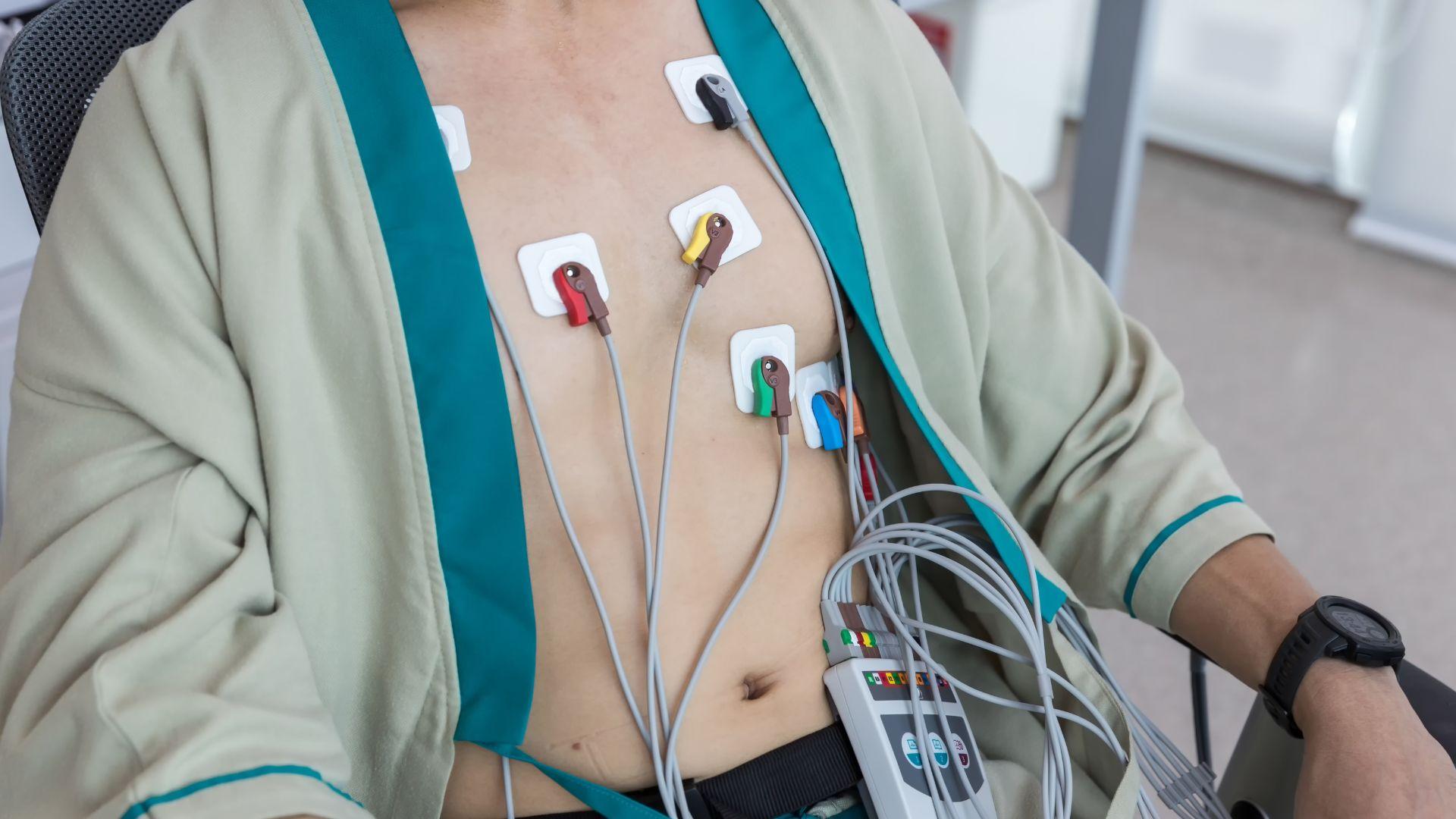
A cardiac Holter monitor is a portable electrocardiography (ECG) device designed to continuously record heart activity over a period typically ranging from 24 to 48 hours. Unlike a standard ECG test that records heart signals for a short duration, Holter monitors provide continuous monitoring that enables physicians to detect irregular heart rhythms that may not appear during routine examinations.
The device consists of electrodes attached to the patient’s chest and connected to a small recording unit powered by a battery. These monitors record electrical signals generated by the heart while patients carry out their daily activities. The collected data is then analyzed using specialized software that helps physicians diagnose cardiovascular abnormalities.
Holter monitors are particularly useful in detecting conditions such as arrhythmia, tachycardia, atrial fibrillation, and other irregular heart rhythms. They also help evaluate symptoms such as dizziness, palpitations, and fainting that may be associated with heart conditions.
With cardiovascular diseases remaining one of the leading causes of mortality worldwide, continuous cardiac monitoring technologies like Holter monitors play a crucial role in improving early diagnosis and patient outcomes.
Rising Cardiovascular Disease Burden Driving Market Growth
One of the primary drivers of the global cardiac Holter monitor market is the increasing prevalence of cardiovascular diseases (CVDs). Lifestyle changes, sedentary habits, unhealthy diets, and rising stress levels are contributing significantly to the global surge in heart-related conditions.
Rapid urbanization and the widespread consumption of processed and fast foods have also increased the risk of hypertension, obesity, and heart disease. As a result, healthcare providers are focusing more on early detection and continuous monitoring to manage these conditions effectively.
According to estimates by the American Heart Association, more than 130 million Americans are expected to suffer from cardiovascular diseases by 2035. This alarming statistic highlights the urgent need for advanced diagnostic technologies that enable healthcare professionals to monitor heart health more accurately.
Holter monitors offer a non-invasive and efficient method for long-term cardiac monitoring, allowing doctors to identify irregular heart rhythms that might otherwise go unnoticed. As awareness about cardiovascular health increases globally, the adoption of Holter monitoring devices is expected to rise significantly.
Technological Advancements Transforming Cardiac Monitoring
Technological innovation is another major factor accelerating the growth of the cardiac Holter monitor market. Over the past decade, advancements in device miniaturization, wireless connectivity, and data analytics have significantly improved the functionality and convenience of Holter monitors.
Modern devices are becoming smaller, lighter, and more comfortable for patients to wear during daily activities. This improved design enhances patient compliance and enables more accurate data collection.
Wireless technology integration has also revolutionized cardiac monitoring. Many modern Holter monitors now allow real-time data transmission to healthcare providers through cloud-based platforms. This enables physicians to monitor patients remotely and quickly respond to abnormal cardiac activity.
Additionally, advancements in battery technology have extended the operational life of monitoring devices, allowing longer observation periods without frequent charging or battery replacement.
Data analytics and artificial intelligence are also playing an increasingly important role in improving the accuracy and efficiency of cardiac diagnosis. Advanced software solutions can now analyze large volumes of ECG data more quickly and detect subtle abnormalities that may be difficult to identify manually.
Manufacturers are also introducing innovative wearable solutions that combine compact design with advanced monitoring capabilities. For example, wearable patches that integrate Holter monitoring functionality into small adhesive devices are gaining popularity among patients and healthcare providers.
Growing Shift Toward Preventive Healthcare
Another major trend influencing the market is the growing shift toward preventive healthcare. Healthcare systems worldwide are focusing more on early diagnosis and proactive disease management to reduce long-term treatment costs and improve patient outcomes.
Consumers are also becoming more proactive about monitoring their health. Wearable health devices and remote monitoring technologies are empowering individuals to track vital health parameters more easily.
Holter monitors play an important role in this preventive healthcare approach. By continuously monitoring cardiac activity, these devices help detect early warning signs of heart problems before they escalate into serious medical conditions.
The growing popularity of home-based healthcare solutions is also contributing to market expansion. Patients increasingly prefer monitoring devices that allow them to receive medical evaluations without prolonged hospital visits.
With healthcare systems under pressure to reduce hospitalization costs and improve efficiency, remote cardiac monitoring technologies are becoming an important component of modern healthcare delivery.
Improving Healthcare Infrastructure Supporting Market Expansion
The improvement of healthcare infrastructure across many countries is another factor supporting the growth of the cardiac Holter monitor market. As healthcare facilities expand and access to diagnostic technologies improves, more patients are able to benefit from advanced cardiac monitoring solutions.
Hospitals, clinics, and diagnostic centers are increasingly incorporating Holter monitoring devices into their cardiovascular diagnostic services. These devices provide healthcare professionals with continuous cardiac data that improves diagnostic accuracy and treatment planning.
Emerging economies are also investing heavily in healthcare modernization. Expanding hospital networks, increasing healthcare spending, and improved access to medical technologies are creating new opportunities for cardiac monitoring device manufacturers.
As more countries prioritize strengthening their healthcare systems, the demand for advanced diagnostic tools such as Holter monitors is expected to continue growing.
Challenges Limiting Market Growth
Despite strong growth prospects, the cardiac Holter monitor market faces several challenges that may affect adoption rates in certain regions.
One of the major barriers is the high cost associated with purchasing and maintaining advanced monitoring devices. Healthcare providers, particularly those operating in smaller clinics or low-income regions, may find it difficult to invest in these systems.
In addition to the device cost, Holter monitoring also requires trained medical professionals to interpret ECG data and diagnose abnormalities. This increases operational costs and may limit widespread adoption in resource-constrained healthcare settings.
Regulatory challenges also present obstacles for manufacturers entering the market. Medical device companies must comply with strict regulatory standards to ensure product safety and effectiveness. These regulations often require extensive clinical trials, documentation, and testing procedures.
While these regulatory frameworks are essential for patient safety, they can increase development costs and delay product approvals. As a result, manufacturers must invest significant resources to bring new products to market.
Regional Outlook of the Cardiac Holter Monitor Market
The global cardiac Holter monitor market shows varying levels of adoption across different regions, with developed healthcare systems leading the market.
North America remains the largest market for Holter monitors due to advanced healthcare infrastructure, high cardiovascular disease prevalence, and strong adoption of innovative medical technologies.
Europe represents another major market, driven by an aging population and increasing focus on preventive healthcare. Countries in the region continue to invest in advanced diagnostic technologies to support early disease detection.
The Asia-Pacific region is emerging as one of the fastest-growing markets. Rising healthcare awareness, increasing healthcare spending, and a growing burden of cardiovascular diseases are driving demand for cardiac monitoring technologies across countries such as China, Japan, and India.
Latin America and the Middle East are also experiencing gradual market growth as healthcare infrastructure improves and awareness of cardiovascular health increases.
United States Cardiac Holter Monitor Market
The United States represents one of the largest markets for cardiac Holter monitors globally. The country has a high prevalence of cardiovascular diseases, which significantly increases the demand for continuous cardiac monitoring technologies.
According to estimates from the Centers for Disease Control and Prevention, approximately 805,000 people experience heart attacks each year in the United States. This high incidence highlights the importance of early detection and effective monitoring systems.
Technological advancements are also shaping the U.S. market. Wearable Holter monitors and wireless monitoring solutions are becoming increasingly popular among healthcare providers.
In March 2024, a remote cardiac monitoring service using advanced Holter technology was launched in the United States through collaboration between healthcare technology companies. Such innovations highlight the growing emphasis on remote monitoring and digital health solutions.
Favorable reimbursement policies and strong healthcare infrastructure further support the expansion of the cardiac monitoring market in the country.
Germany Cardiac Holter Monitor Market
Germany is one of Europe’s leading markets for cardiac monitoring technologies. The country’s advanced healthcare infrastructure and strong emphasis on preventive healthcare contribute to the growing demand for Holter monitors.
Germany also has a rapidly aging population, which increases the risk of cardiovascular diseases and creates a greater need for continuous cardiac monitoring.
The country’s well-established healthcare reimbursement system improves patient access to diagnostic technologies. Additionally, Germany’s strong focus on medical research and technological innovation encourages the development of advanced cardiac monitoring solutions.
India Cardiac Holter Monitor Market
India is experiencing rapid growth in the cardiac Holter monitor market due to the rising incidence of cardiovascular diseases and expanding healthcare infrastructure.
Urbanization, lifestyle changes, and increasing stress levels have significantly contributed to the growing burden of heart disease in the country. As awareness about heart health improves, more patients are seeking early diagnosis and preventive monitoring solutions.
Government initiatives aimed at improving healthcare access and expanding hospital networks are also supporting the adoption of advanced diagnostic technologies.
Additionally, increasing affordability and technological innovation are making Holter monitoring devices more accessible to healthcare providers across both urban and rural areas.
Saudi Arabia Cardiac Holter Monitor Market
The cardiac Holter monitor market in Saudi Arabia is expanding steadily due to growing healthcare investments and rising cardiovascular disease prevalence.
Lifestyle changes, including reduced physical activity and dietary habits, have contributed to increasing heart health issues in the region. As a result, healthcare providers are adopting advanced monitoring technologies to improve early detection and disease management.
Government initiatives aimed at strengthening healthcare infrastructure and expanding medical services are also supporting the adoption of Holter monitoring devices.
Improved access to modern diagnostic facilities and increased awareness of preventive healthcare continue to drive market growth across the country.
Competitive Landscape and Key Market Players
The global cardiac Holter monitor market is characterized by strong competition among established medical technology companies. These companies focus on product innovation, strategic partnerships, and technological advancements to maintain their competitive position.
Major companies operating in the market include General Electric Company, Nihon Kohden Corporation, Hill-Rom Holdings, OSI Systems, Boston Scientific Corporation, Koninklijke Philips, Medtronic plc, and iRhythm Technologies.
These companies continue to invest in research and development to introduce advanced monitoring solutions that offer improved accuracy, patient comfort, and connectivity features.
The growing integration of digital health platforms and wearable technologies is expected to further intensify competition and innovation in the industry.
Final Thoughts
The global cardiac Holter monitor market is poised for steady expansion as healthcare systems increasingly prioritize early diagnosis and continuous monitoring of cardiovascular diseases.
With the market projected to grow from US$ 741.00 million in 2024 to US$ 1,365.74 million by 2033, technological innovation, preventive healthcare trends, and improved healthcare infrastructure will play critical roles in shaping the industry’s future.
As cardiovascular diseases continue to affect millions worldwide, cardiac monitoring technologies like Holter monitors will remain essential tools in modern healthcare, helping physicians detect heart abnormalities earlier and deliver more effective treatment for patients.

 English
 Arabic
 French
 Spanish
 Portuguese
 Deutsch
 Turkish
 Dutch
Dutch
 Russian
 Romaian
 Portuguese (Brazil)
 Tiếng Việt