


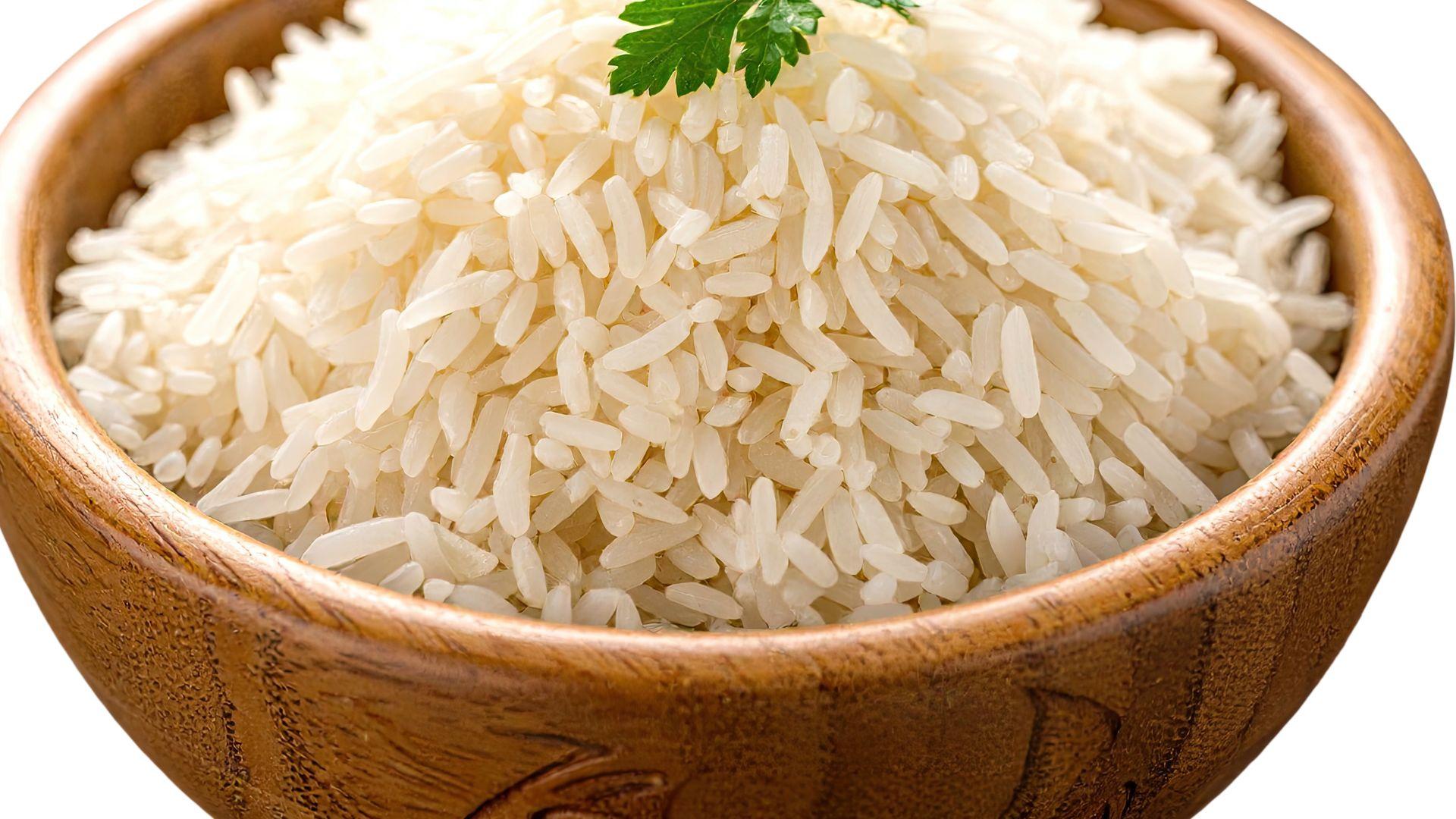
Global Rice Market Trends & Forecast Analysis 2025–2033
The global rice market continues to play a crucial role in the world’s food supply, providing a primary source of nutrition for billions of people. According to analysis by Renub Research, the market was valued at US$ 305.14 billion in 2024 and is projected to reach US$ 378.41 billion by 2033, expanding at a compound annual growth rate (CAGR) of 2.42% from 2025 to 2033.
Several factors are supporting this steady growth. Rising global population levels, changing dietary habits, international trade agreements, and government support for agriculture are strengthening the market’s long-term outlook. Additionally, increasing demand for rice-based convenience foods and processed rice products is opening new opportunities for producers and food manufacturers worldwide.
Download Free Sample Report:https://www.renub.com/request-sample-page.php?gturl=global-rice-market-p.php
Rice remains one of the most essential staple foods globally, particularly across Asia, Africa, and Latin America, where it forms a central part of daily diets. The market’s resilience is also supported by continuous improvements in agricultural technologies, improved rice varieties, and expanding export markets.
Global Rice Market Overview
Rice is one of the most widely consumed cereal grains in the world and serves as a primary staple food for more than half of the global population. It is cultivated in more than 120 countries, with Asia accounting for nearly 90% of global production and consumption.
Among producing countries, China and India together contribute around half of global rice output, making them critical players in global supply chains. Rice ranks among the most produced agricultural commodities globally, following maize and sugarcane.
Data from FAOSTAT indicates that in 2022 approximately 165 million hectares of land were used for rice cultivation worldwide. India alone harvests over 48 million hectares annually, highlighting the crop’s significant role in global agriculture.
The importance of rice goes beyond nutrition. It also plays a vital role in economic stability, employment generation, and rural livelihoods in many developing countries.
As urbanization continues to rise and populations expand, the demand for reliable and affordable staple foods like rice is expected to remain strong.
Key Growth Drivers in the Global Rice Market
Government Programs and Agricultural Policies
Government initiatives and agricultural regulations are among the most influential drivers of the global rice market. Many rice-producing countries implement policies designed to support farmers, stabilize prices, and ensure national food security.
These initiatives often include:
-
Price support programs
-
Agricultural subsidies
-
Investment incentives for farmers
-
Minimum support prices
-
Infrastructure development for irrigation and storage
Such policies encourage farmers to increase rice cultivation while reducing the risks associated with price fluctuations.
Governments are also investing heavily in research and development programs aimed at improving rice productivity. These efforts focus on developing high-yield varieties, enhancing resistance to pests and diseases, and improving drought tolerance.
The development of climate-resilient rice varieties is particularly important as global agricultural systems face increasing environmental pressures.
Trade policies also significantly impact the market. Import quotas, export restrictions, and trade agreements influence global rice prices and supply flows. For instance, governments may temporarily restrict exports during domestic shortages to protect local consumers.
A recent example occurred in February 2024, when India’s food ministry launched “Bharat Rice” at a subsidized retail price to address rising grain prices and improve affordability for consumers.
Growing Demand for Rice-Based Convenience Foods
The modern lifestyle and rapid urbanization have significantly increased demand for convenient and ready-to-cook food products.
Rice-based convenience foods are gaining popularity across global markets because they provide quick meal solutions without compromising taste or nutrition. Examples include:
-
Microwaveable rice pouches
-
Instant rice noodles
-
Frozen rice meals
-
Ready-to-eat rice bowls
These products appeal particularly to busy urban consumers who seek fast meal preparation options.
Rice-based snack products are also becoming increasingly popular. Items such as rice crackers, rice cakes, and rice chips are widely promoted as healthier alternatives to traditional fried snacks due to their lower fat content and gluten-free nature.
Food manufacturers are actively innovating to introduce new flavors, textures, and product formats that cater to diverse consumer preferences across global markets.
The growth of convenience foods is therefore expected to remain a strong driver of rice demand in the coming years.
Expanding Global Trade Opportunities
Globalization and international trade agreements have significantly improved the flow of agricultural commodities across borders, including rice.
Many rice-producing countries rely heavily on exports to sustain their agricultural economies. Trade agreements help reduce tariffs and trade barriers, enabling exporters to reach international markets more easily.
Rice is available in a wide range of varieties, including:
-
Long-grain rice
-
Medium-grain rice
-
Short-grain rice
Each type is suited to specific culinary traditions and regional cuisines. This diversity enables exporting countries to meet the unique demands of consumers across different markets.
In addition, strict quality standards and certification systems ensure that exported rice meets international safety and quality requirements. These standards help build trust among global buyers and strengthen international trade relationships.
As global populations continue to grow, demand for versatile staple foods such as rice will remain strong, further supporting export opportunities.
Challenges in the Global Rice Market
Supply and Demand Imbalances
One of the most significant challenges in the rice market is the imbalance between supply and demand.
Various factors can affect rice production, including:
-
Extreme weather conditions
-
Pest infestations
-
Crop diseases
-
Delays in planting or harvesting
When production falls short due to these factors, supply shortages can drive prices upward. Conversely, periods of excessive production may lead to oversupply, resulting in lower prices and reduced farmer profitability.
These fluctuations create uncertainty for both producers and consumers, particularly in developing economies where rice is a primary staple food.
Price Volatility
Price volatility is another key challenge facing the rice market. Global rice prices are sensitive to numerous economic and environmental factors.
For example:
-
Government export restrictions can disrupt supply chains
-
Currency fluctuations can affect international trade pricing
-
Inflation or economic slowdowns may influence demand levels
In addition, speculative trading activities in commodity markets can contribute to price instability.
These unpredictable price movements make it difficult for farmers to forecast income and for food companies to maintain stable product pricing.
United States Rice Market
The rice market in the United States is expanding as rice becomes increasingly integrated into diverse American cuisines. The growing popularity of international dishes such as Asian, Latin American, and Mediterranean foods has boosted domestic consumption.
According to USDA data, the United States produced 9.89 million metric tons of rice in 2023, representing a 36% increase compared to 2022.
The harvested area also grew significantly, reaching approximately 1.15 million hectares, which marked a 32% increase from the previous year.
Several factors contributed to this growth, including favorable weather conditions, improved farming techniques, and increased focus on domestic rice production.
Additionally, American consumers are becoming more health conscious. This trend has increased demand for healthier rice varieties such as brown rice and wild rice, which are often perceived as more nutritious options.
The expansion of the food service industry and the growing use of rice in processed foods such as snacks, beverages, and baby food are also supporting market growth.
Government support through subsidies and agricultural programs continues to strengthen the country’s rice sector.
India Rice Market
India remains one of the most influential players in the global rice market due to its large production capacity and strong export performance.
Population growth is a major factor supporting demand. According to the Ministry of Statistics and Programme Implementation, India’s population is projected to reach 152.2 crore by 2036, ensuring continued demand for staple foods such as rice.
Rice remains a fundamental part of the Indian diet, particularly in rural regions where it serves as a primary source of nutrition.
Rising urbanization and increasing disposable incomes are also driving the consumption of processed rice products, including rice flour, packaged snacks, and ready-to-eat meals.
In December 2024, LT Foods Ltd introduced DAAWAT Jasmine Thai Rice in the Indian market. The product is non-GMO certified and designed to meet growing consumer interest in international cuisines.
Sustainability initiatives are also shaping the market. In November 2024, Diageo India launched a regenerative agriculture program in Telangana to promote sustainable rice cultivation and reduce water usage and carbon emissions.
Germany Rice Market
Germany’s rice market largely depends on imports due to limited domestic production. Long-grain rice is the most commonly consumed variety in the country.
Consumer demand in Germany is driven by diverse culinary influences and the popularity of international cuisines.
Although rice is not a traditional staple food in Germany, it is widely used in restaurants, packaged meals, and ready-to-cook food products.
Market dynamics are influenced by European Union trade policies, sustainability regulations, and evolving consumer preferences.
United Arab Emirates Rice Market
The rice market in the United Arab Emirates is highly dependent on imports due to limited agricultural land and water resources.
Countries such as India, Pakistan, and Thailand serve as the primary suppliers of rice to the UAE.
Demand is driven by the country’s rapidly growing population and multicultural consumer base. Premium varieties such as Basmati rice are particularly popular due to their distinctive aroma and flavor.
Consumer preferences for convenience foods and ready-to-cook meals also influence rice consumption patterns in the region.
Global Rice Market Segmentation
By Product Type
-
Regular
-
Aromatic
By Type
-
Red Rice
-
Arborio Rice
-
Black Rice
-
Grain Fragrance Rice
-
Brown Rice
-
Rosematta Rice
-
Grain Parboiled Rice
-
Sushi Rice
-
Others
By Grain Size
-
Long Grain
-
Medium Grain
-
Short Grain
By Distribution Channel
-
Offline
-
Online
By Application
-
Food
-
Feed
-
Others
Countries Covered
United States, Canada, France, Germany, Italy, Spain, United Kingdom, Belgium, Netherlands, Turkey, China, Japan, India, Australia, South Korea, Thailand, Malaysia, Indonesia, New Zealand, Brazil, Mexico, Argentina, South Africa, Saudi Arabia, and the United Arab Emirates.
Key Companies in the Global Rice Market
Major companies operating in the rice industry include:
-
KRBL Limited
-
LT Food Ltd
-
Kohinoor Foods
-
Thai Wah
-
Archer Daniels
-
Tate & Lyle
-
General Mills
-
MGP Limited
These companies focus on improving supply chain efficiency, expanding international trade networks, and developing innovative rice-based products to strengthen their market positions.
Final Thoughts
The global rice market remains a cornerstone of the world’s food system, supporting billions of consumers and millions of farmers worldwide.
With the market expected to grow from US$ 305.14 billion in 2024 to US$ 378.41 billion by 2033, steady demand for staple foods, supportive government policies, and increasing consumption of rice-based convenience products will continue to drive expansion.
While challenges such as supply fluctuations and price volatility persist, advancements in agricultural technology, improved trade networks, and growing consumer demand for diverse rice varieties will ensure the market remains resilient in the years ahead.

 English
 Arabic
 French
 Spanish
 Portuguese
 Deutsch
 Turkish
 Dutch
Dutch
 Italiano
 Russian
 Romaian
 Portuguese (Brazil)