


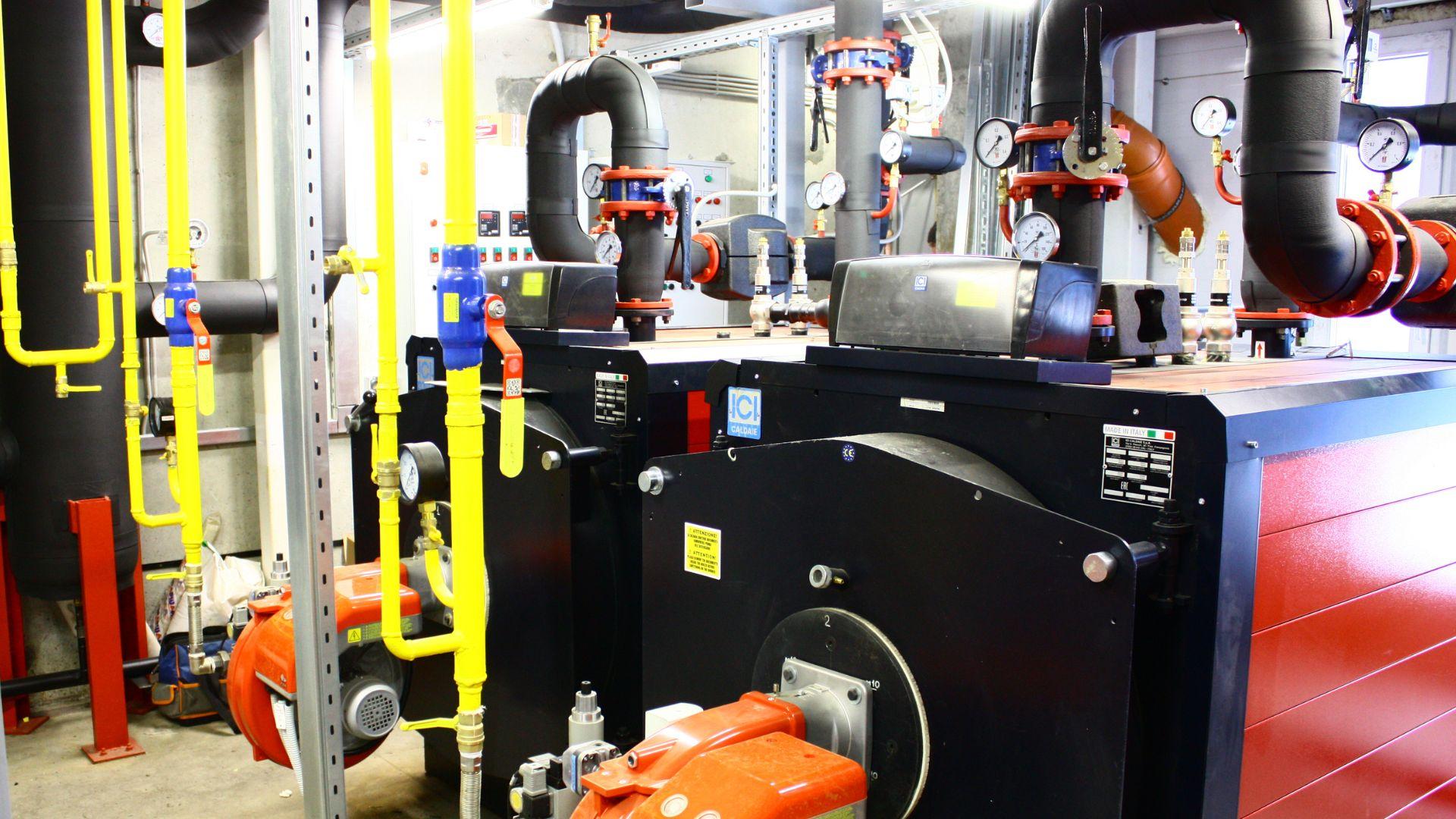
Circulating Fluidized Bed Boiler Market Size and Forecast 2025–2033
The global energy sector is undergoing rapid transformation as industries and governments seek cleaner, more efficient power generation technologies. Among the most promising innovations in thermal energy systems is the circulating fluidized bed (CFB) boiler, known for its ability to burn multiple fuel types while maintaining low emission levels and high combustion efficiency.
According to insights from Renub Research, the Circulating Fluidized Bed Boiler Market is projected to grow from US$ 790.24 Million in 2024 to US$ 1,185.54 Million by 2033, expanding at a compound annual growth rate (CAGR) of 4.61% between 2025 and 2033. Rising demand for flexible energy generation, increasing industrialization, and strict environmental regulations are key factors contributing to the market’s growth.
CFB boilers have gained widespread attention due to their ability to efficiently burn low-grade fuels, biomass, and industrial waste while reducing harmful emissions. As countries continue to prioritize sustainable energy infrastructure, the demand for CFB boiler technology is expected to grow steadily throughout the forecast period.
Download Free Sample Report:https://www.renub.com/request-sample-page.php?gturl=circulating-fluidized-bed-cfb-boiler-market-p.php
Circulating Fluidized Bed Boiler Market Outlook
Circulating fluidized bed boilers represent a specialized class of combustion systems that utilize fluidized bed technology to achieve efficient and stable fuel combustion. In a CFB system, fuel particles and sorbents are suspended in a high-velocity stream of hot gas, creating a fluid-like mixture that enhances heat transfer and combustion efficiency.
This design allows for excellent fuel flexibility, enabling the use of various fuel types such as coal, biomass, petroleum coke, and industrial waste. Limestone injection within the combustion chamber captures sulfur dioxide, significantly reducing emissions and making the system environmentally favorable compared to conventional coal boilers.
CFB boilers are widely used across power plants and industrial facilities for steam and electricity generation. Major economies such as China, India, and several European countries have adopted this technology to meet growing energy demand while complying with environmental regulations.
Beyond electricity generation, CFB boilers are commonly used in industries such as cement manufacturing, pulp and paper production, chemicals, and metallurgy. Their ability to efficiently generate heat and steam from multiple fuel sources makes them an important component of modern industrial energy systems.
Key Growth Drivers in the Circulating Fluidized Bed Boiler Market
Increasing Demand for Clean and Flexible Energy Generation
One of the most important drivers of the CFB boiler market is the rising demand for cleaner and more flexible energy generation technologies. Traditional coal-fired power plants face increasing scrutiny due to high emissions of pollutants such as sulfur dioxide and nitrogen oxides.
CFB boilers offer a practical solution by enabling efficient combustion of a wide variety of fuels while significantly reducing emissions. Their ability to operate at lower combustion temperatures reduces nitrogen oxide formation, while the addition of limestone helps capture sulfur emissions during the combustion process.
Another advantage of CFB technology is its ability to support co-firing of biomass with fossil fuels. This capability allows utilities to reduce carbon emissions without requiring major modifications to existing power plant infrastructure.
Governments worldwide are introducing policies that encourage cleaner power generation technologies. In July 2025, the United Kingdom launched the Clean Flexibility Roadmap, developed in collaboration with national energy regulators and system operators, to promote a more efficient and consumer-focused energy system.
Such initiatives highlight the growing role of flexible and low-emission power technologies, further supporting the expansion of the CFB boiler market.
Increasing Industrialization and Global Energy Demand
Rapid industrialization across developing economies is another major factor driving demand for CFB boilers. Industries such as steel manufacturing, chemicals, pulp and paper, and cement production require large and continuous energy supplies for their operations.
CFB boilers provide a reliable and efficient energy solution for these industries by delivering consistent steam and power generation. Their ability to burn industrial waste and by-products also contributes to cost efficiency and waste management.
Global energy consumption continues to increase alongside economic growth. In 2024, global energy demand grew by approximately 2.2 percent, exceeding the average annual growth rate of 1.3 percent recorded between 2013 and 2023.
This increasing demand for energy is encouraging industrial operators and utilities to invest in advanced boiler technologies that provide improved efficiency and operational stability.
Many countries are also investing in captive power generation systems within industrial clusters. CFB boilers are frequently used in such installations due to their fuel flexibility and ability to utilize locally available energy resources.
Technological Advancements and Efficiency Improvements
Continuous innovation in boiler design and materials technology has significantly improved the performance and reliability of circulating fluidized bed boilers. Modern CFB systems feature advanced combustion control mechanisms, improved heat transfer surfaces, and efficient ash handling systems.
The development of supercritical and ultra-supercritical CFB boilers has further enhanced thermal efficiency by operating at higher pressures and temperatures. These advanced systems can generate more electricity while consuming less fuel, making them highly attractive for large-scale power generation.
Digital technologies are also transforming the operation and maintenance of CFB boilers. Real-time monitoring systems and predictive maintenance platforms allow plant operators to optimize performance and minimize unexpected downtime.
In May 2024, Aboitiz Power Corporation partnered with REPCO NEX Industrial Solutions to develop digital twin technology for existing circulating fluidized bed coal-fired power plants. Digital twins enable operators to simulate system performance and improve operational efficiency.
These technological innovations are strengthening the competitiveness of CFB boilers within the global energy market.
Challenges in the Circulating Fluidized Bed Boiler Market
High Initial Capital Investment
Despite their operational advantages, CFB boilers often require higher initial capital investment compared to conventional boiler systems. The technology involves specialized components such as cyclones, refractory linings, and fluidization equipment, which increase installation costs.
Complex system design and engineering requirements also require skilled labor and advanced manufacturing processes. These factors contribute to higher upfront costs, which may discourage smaller industrial operators from adopting CFB technology.
Although long-term operational savings and fuel flexibility can offset these costs, the initial investment remains a barrier for some project developers.
Government incentives, financial support mechanisms, and technological standardization could help make CFB systems more economically accessible in the future.
Maintenance Complexity and Skilled Labor Shortage
Another challenge associated with CFB boilers is the complexity of system maintenance and operation. Maintaining optimal fluidization, temperature control, and emission management requires skilled engineers and technicians.
CFB boilers operate in abrasive environments that can cause wear and tear on internal components such as refractory linings and heat exchange surfaces. Regular maintenance and periodic replacement of critical parts are necessary to maintain efficiency.
However, many regions face shortages of trained personnel capable of operating advanced boiler systems. Without proper maintenance, problems such as bed agglomeration and component erosion can reduce performance and increase downtime.
Investments in workforce training, remote monitoring technologies, and predictive maintenance systems are essential to overcome these challenges and ensure reliable system operation.
Key Market Segments
Subcritical Circulating Fluidized Bed Boiler Market
Subcritical CFB boilers are widely used in small and medium-sized power plants and industrial facilities. These systems operate at moderate pressure and temperature levels, offering cost-effective energy generation with reliable performance.
Subcritical boilers are particularly suitable for regions transitioning toward cleaner energy systems while maintaining affordability and operational simplicity.
Supercritical Circulating Fluidized Bed Boiler Market
Supercritical CFB boilers operate at pressures and temperatures above the critical point of water, resulting in higher thermal efficiency and reduced fuel consumption.
These systems are designed for large-scale power generation and are increasingly adopted by utilities seeking to meet strict environmental regulations while maintaining high energy output.
100–200 MW Circulating Fluidized Bed Boiler Market
CFB boilers with capacities between 100 and 200 megawatts serve medium-sized industrial facilities and regional power plants. These systems provide a balance between scalability, efficiency, and operational flexibility.
They are especially popular in developing economies where decentralized power generation and industrial self-sufficiency are priorities.
Coal-Based CFB Boiler Market
Coal remains an important fuel source for many developing countries. CFB boilers allow efficient combustion of low-grade and high-ash coal while reducing emissions compared to traditional coal-fired technologies.
This capability makes coal-based CFB systems a transitional solution for cleaner coal power generation.
Biomass CFB Boiler Market
Biomass-fired CFB boilers are gaining momentum as industries and utilities move toward renewable energy sources. These systems efficiently burn agricultural residues, wood chips, and other biomass materials, providing carbon-neutral energy solutions.
Government incentives and renewable energy policies are accelerating the adoption of biomass-based CFB technologies worldwide.
Regional Market Insights
United States
The United States CFB boiler market is driven by modernization of existing power infrastructure and growing interest in biomass co-firing and waste-to-energy projects. Industrial facilities are increasingly adopting CFB boilers for process heat and captive power generation.
Germany
Germany’s strong environmental policies and focus on decarbonization support the adoption of CFB boilers for combined heat and power applications. The technology aligns with the country’s energy transition strategy and district heating initiatives.
China
China leads the global CFB boiler market in terms of installed capacity. The country’s abundant coal reserves and government support for cleaner coal technologies have encouraged widespread adoption of CFB systems.
In December 2024, Harbin Electric Corporation successfully completed a 168-hour full-load trial operation of a 660 MW ultra-supercritical CFB power unit, setting a new global benchmark in power generation technology.
Brazil
Brazil’s CFB boiler market benefits from abundant biomass resources such as sugarcane bagasse and agricultural waste. These fuels provide sustainable feedstocks for biomass-based CFB power generation systems.
Saudi Arabia
Saudi Arabia’s industrial expansion and energy diversification initiatives are supporting the adoption of CFB boiler technology. Industries such as petrochemicals and cement increasingly rely on CFB systems for efficient and low-emission energy generation.
Competitive Landscape
The circulating fluidized bed boiler market includes several global engineering and industrial equipment companies that focus on innovation, system efficiency, and environmental compliance.
Key companies operating in the market include:
• Industrial Boilers America
• Andritz AG
• Babcock & Wilcox Enterprises Inc.
• Rafako S.A.
• Shanghai Electric
• Formosa Heavy Industries Corp.
• General Electric Company
• Sumitomo Heavy Industries Ltd.
• Wuxi ZOZEN Boiler Co. Ltd.
• JFE Engineering Corporation
These companies continue to invest in advanced boiler technologies, digital monitoring systems, and emission control innovations to strengthen their competitive positions.
Final Thoughts
The circulating fluidized bed boiler market is poised for steady growth as industries and utilities seek cleaner, more efficient energy generation technologies. The ability of CFB boilers to burn diverse fuel types, reduce emissions, and support renewable energy integration makes them an important solution for modern power systems.
Renub Research forecasts that the global CFB boiler market will grow from US$ 790.24 Million in 2024 to US$ 1,185.54 Million by 2033, registering a CAGR of 4.61% between 2025 and 2033.
As global energy demand continues to rise and governments pursue decarbonization goals, circulating fluidized bed boilers are expected to play a critical role in balancing efficiency, sustainability, and fuel flexibility within the evolving global energy landscape.

 English
 Arabic
 French
 Spanish
 Portuguese
 Deutsch
 Dutch
Dutch
 Italiano
 Russian
 Romaian
 Portuguese (Brazil)
 Tiếng Việt