


Australia Smart Home Market Forecast 2034: AI, IoT and Energy Efficiency Fuel 12% CAGR Growth
Australia Smart Home Market Outlook 2026–2034
Australia’s smart home industry is entering a high-growth decade as connected living transitions from luxury to mainstream necessity. According to Renub Research, the Australia Smart Home Market is projected to expand from US$ 4.05 billion in 2025 to US$ 11.23 billion by 2034, registering a robust compound annual growth rate (CAGR) of 12% between 2026 and 2034.
This strong upward trajectory reflects rising consumer adoption of connected devices, growing demand for energy-efficient lifestyles, and increasing integration of AI-enabled automation systems. With Australia boasting high broadband penetration and expanding 5G coverage, the foundation for seamless smart home ecosystems is firmly in place. Government-backed digital transformation and sustainability initiatives are further strengthening the market outlook.
Download Free Sample Report:https://www.renub.com/request-sample-page.php?gturl=australia-smart-home-market-p.php
Understanding the Smart Home Ecosystem in Australia
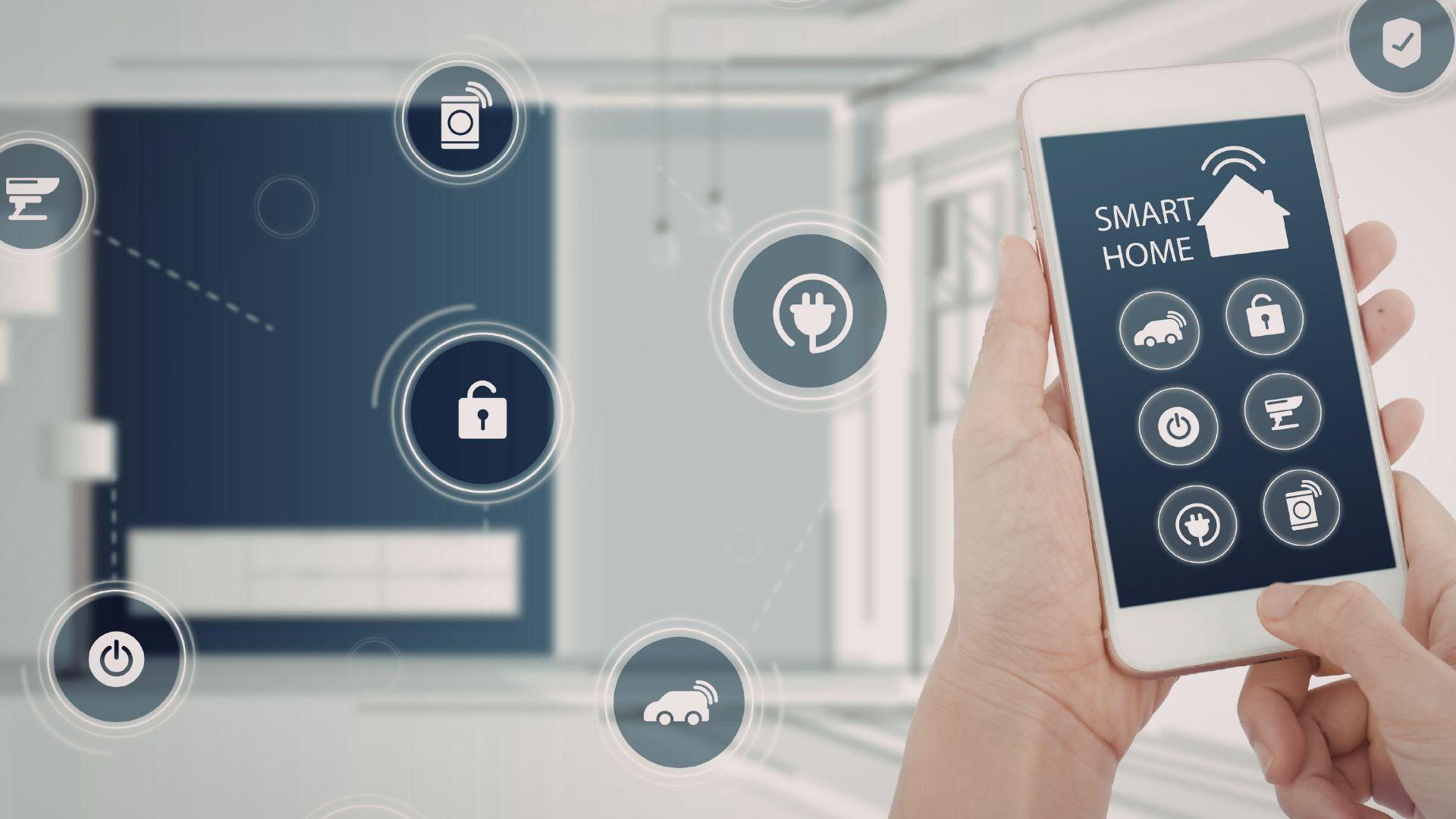
A smart home integrates appliances, lighting, climate control, security systems, and entertainment devices into a centralized digital network. Through Wi-Fi connectivity, sensors, artificial intelligence, and voice-enabled assistants, homeowners can remotely monitor and automate household functions via smartphones or smart speakers.
Modern systems go beyond basic remote control. AI-driven automation learns user behavior—adjusting lighting schedules, optimizing thermostat settings, and enhancing security alerts based on patterns. As device compatibility improves and wireless technology advances, Australian households are embracing interconnected living environments that deliver convenience, efficiency, and safety.
Key Growth Drivers Powering Market Expansion
1. Rapid Adoption of AI, IoT and Voice-Controlled Devices
One of the most influential drivers of Australia’s smart home growth is the increasing adoption of AI-powered and IoT-enabled devices. Smart speakers, connected thermostats, intelligent lighting systems, and automated appliances are becoming common household features.
Technology leaders such as Amazon, Apple Inc., and Xiaomi continue expanding product ecosystems compatible with Australian homes. Voice assistants now allow residents to control temperature, entertainment systems, and home security through simple commands.
AI platforms personalize home settings by learning user preferences, reducing energy consumption, and enhancing user experience. As global technology brands introduce more affordable and interoperable devices, smart home adoption is accelerating across urban and suburban regions.
Additionally, remote work culture and digital lifestyles have heightened demand for reliable home automation, further pushing market growth.
2. Rising Energy Costs and Sustainable Living Initiatives
Australia’s rising household electricity prices have significantly influenced consumer behavior. Homeowners are actively seeking smart energy management solutions to monitor and reduce consumption.
Smart thermostats, automated lighting systems, and solar-integrated monitoring platforms allow users to track energy usage in real time and adjust settings for maximum efficiency. Climate-responsive automation is particularly valuable in Australia’s diverse weather conditions.
Energy management solutions from companies like Honeywell International Inc. support sustainability goals by reducing carbon footprints while delivering cost savings.
Government initiatives promoting renewable energy adoption and smart city development are reinforcing this trend. As sustainability becomes a core household priority, demand for intelligent energy systems is expected to remain a major growth catalyst through 2034.
3. Expansion of Smart Security and Remote Monitoring
Home security concerns are another major growth engine in Australia’s smart home industry. Consumers increasingly invest in connected surveillance systems, video doorbells, motion sensors, and smart locks.
Companies such as Alarm.com and Allegion plc offer advanced security ecosystems that provide real-time alerts, cloud video storage, and remote access control.
AI-powered facial recognition, intrusion detection, and automated lighting integration enhance overall security accuracy. The affordability of wireless installation has lowered entry barriers, making smart security one of the fastest-growing product categories in the market.
Insurance incentives and heightened awareness of neighborhood safety further support demand across Australian states.
Market Challenges Impacting Adoption
High Initial Investment and Integration Complexity
Despite rising popularity, upfront costs remain a barrier for some households. Installing integrated systems—especially across larger properties—requires substantial investment in devices, software, and professional setup.
Compatibility issues between ecosystems can complicate installation, often requiring additional hubs or technical expertise. For first-time users, navigating multiple applications and settings may appear overwhelming.
Although long-term savings offset initial expenses, budget-conscious consumers remain cautious about full-scale automation upgrades.
Data Privacy and Cybersecurity Concerns
Smart homes rely on continuous internet connectivity, creating vulnerabilities related to data security and privacy. Devices must be regularly updated with security patches to prevent unauthorized access.
Consumers are increasingly aware of data collection practices and potential privacy risks. Connectivity reliability, especially in rural or remote areas, also affects automation performance.
Addressing cybersecurity concerns and strengthening consumer trust will be essential for sustained industry expansion.
State-Wise Market Analysis
New South Wales
New South Wales (NSW) represents one of Australia’s most mature smart home markets. Urban centers such as Sydney lead adoption of smart lighting, security systems, and climate control technologies.
New residential developments increasingly incorporate built-in automation features. Sustainability initiatives across NSW also encourage adoption of smart energy monitoring and solar integration tools.
High digital literacy and strong retail availability of devices continue driving smart home penetration across the state.
Victoria
Victoria’s smart home market is expanding rapidly, supported by Melbourne’s dense urban population and high technology adoption rates. Demand is strong for surveillance cameras, AI-driven assistants, and automated HVAC systems.
The state’s emphasis on sustainability and energy efficiency encourages homeowners to adopt monitoring tools and smart appliances. Expanding broadband and 5G infrastructure further enable seamless device integration.
Queensland
Queensland’s warm climate drives demand for automated climate control and smart thermostats. Cities like Brisbane and the Gold Coast are witnessing growing adoption of lighting automation, security devices, and connected appliances.
Short-term rental properties in tourism-heavy regions are increasingly integrating smart locks and remote surveillance systems to enhance property management efficiency.
Western Australia
Western Australia, led by Perth, is seeing rising installation of smart security systems and solar-integrated energy monitoring technologies. The state’s climate encourages use of smart shading and automated cooling solutions.
Broadband expansion and growing consumer awareness are gradually increasing adoption in suburban and semi-urban areas.
Product and Application Segmentation
By Application
-
Energy Management
-
Comfort and Lighting
-
Home Entertainment
-
Control and Connectivity
-
Security
-
Smart Appliances
By Product
-
Smart Speakers
-
Interactive Security Systems
-
Smart Thermostats
-
Monitoring Cameras
-
Video Doorbells
-
Smart Light Bulbs
-
Motion Sensors
-
Smart Light Switches
-
Door/Window Sensors
-
Smart Door Locks
-
Others
Smart speakers and security systems currently dominate consumer demand, while energy management solutions are projected to witness the fastest growth during the forecast period.
Competitive Landscape
The Australian smart home industry features a mix of global technology leaders and specialized home automation providers. Key companies operating in the market include:
-
Philips Dynalite
-
Sonos
-
Alarm.com
-
Allegion plc
-
Electrolux AB
-
Amazon
-
Apple Inc.
-
Xiaomi
-
Honeywell International Inc.
These players compete on innovation, ecosystem compatibility, AI integration, and energy efficiency features.
Recent Market Developments
In October 2025, Ovox introduced its R8 window-cleaning robot in Australia, expanding intelligent home cleaning automation offerings.
In March 2025, Roborock launched advanced AI-enabled smart cleaning devices in Australia, reinforcing the growing demand for intelligent, autonomous household appliances.
Such product introductions reflect the industry’s momentum toward AI-driven automation and convenience-focused innovation.
Market Scope and Forecast Framework
-
Base Year: 2024
-
Historical Period: 2020–2024
-
Forecast Period: 2026–2034
-
Market Size: US$ Billion
-
Segments Covered: Application and Product
-
Top States Covered: NSW, Victoria, Queensland, Western Australia, South Australia, ACT, Tasmania, Northern Territory
The report provides in-depth company analysis, SWOT assessments, revenue evaluation, and competitive benchmarking to help stakeholders identify strategic growth opportunities.
Final Thoughts
Australia’s smart home market is transitioning from early adoption to rapid expansion. With projected growth from US$ 4.05 billion in 2025 to US$ 11.23 billion by 2034, the industry is positioned for sustained double-digit expansion.
Rising energy costs, strong broadband infrastructure, AI integration, and consumer demand for convenience are converging to reshape residential living standards. While challenges related to cost and cybersecurity persist, ongoing innovation and regulatory support are likely to strengthen consumer confidence.
As Australian households increasingly prioritize sustainability, security, and seamless connectivity, smart homes are set to become a defining feature of the nation’s residential landscape over the next decade.

 Arabic
 French
 Spanish
 Portuguese
 Deutsch
 Turkish
 Dutch
Dutch
 Italiano
 Russian
 Romaian
 Portuguese (Brazil)
 Tiếng Việt