


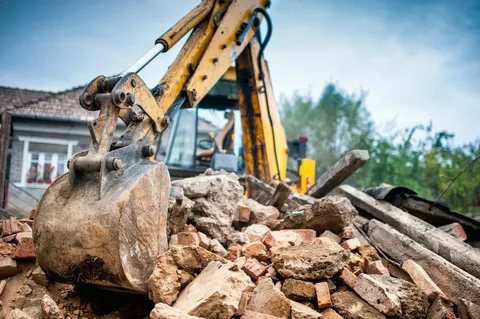
The Cost to Demolish a House varies significantly based on square footage, structure type, and site conditions. In 2026, homeowners can expect to pay between $4 and $15 per square foot, but the total cost difference between a small home and a large property can be substantial. A 1,000-square-foot house may cost $4,000 to $12,000 to remove, while a 3,000-square-foot home can range from $12,000 to $45,000 or more depending on foundation removal, hazardous material abatement, and disposal fees.
While larger homes naturally generate higher overall demolition costs, smaller homes sometimes carry higher per-square-foot rates due to fixed expenses such as permits, equipment mobilization, and utility disconnections. Contractors like Demo Pros Plus evaluate each project individually, accounting for labor, debris hauling, environmental compliance, and site restoration needs before presenting a final estimate.
Understanding how size impacts demolition pricing allows homeowners to plan budgets realistically and avoid unexpected financial strain.
Why Home Size Directly Impacts Demolition Cost
Square footage is the most visible pricing factor. Larger homes require more labor hours, extended equipment operation, and higher debris hauling capacity. More roofing materials, framing lumber, drywall, and concrete translate into increased landfill tipping fees.
However, certain fixed costs apply regardless of size. Permit fees, safety setup, and machinery transportation costs remain similar whether demolishing a 1,000-square-foot cottage or a 3,000-square-foot residence. Because of these fixed expenses, smaller homes sometimes have a slightly higher per-square-foot rate even though the total bill is lower.
Industry reports show that disposal fees alone can account for 30–40% of total demolition expenses in urban regions. When a larger home generates significantly more debris tonnage, total costs rise proportionally.
Real Cost Comparison by Home Size
The following table outlines realistic 2026 demolition estimates based on national averages:These figures assume full structural demolition, including debris hauling. Hazardous material abatement or extensive foundation extraction can increase totals beyond these ranges.
Labor and Equipment Differences Between Small and Large Homes
Smaller homes typically require fewer labor hours and shorter equipment operation time. In many cases, demolition crews can complete removal within three to five days once permits and utility disconnections are finalized.
Larger homes demand extended heavy equipment use, additional haul trucks, and longer debris sorting processes. Operating costs for heavy machinery have risen approximately 5–8% annually in recent years, impacting larger projects more noticeably due to extended usage time.
Foundation removal further distinguishes cost differences. A small slab foundation is less expensive to remove than a full basement beneath a large home. Basement backfilling and soil compaction add both labor and material expenses.
Hidden Costs That Affect Both Sizes
Location significantly affects pricing for both small and large homes. In the Midwest and parts of the South, demolition costs tend to fall near the lower end of the $4–$8 per square foot range. In coastal or high-density urban areas, costs frequently exceed $12 per square foot due to higher labor wages and landfill tipping fees.
When calculating the Cost to Demolish a House, hazardous material removal can significantly impact the final price. Asbestos abatement alone can add $2,000 to $10,000 to a demolition project, depending on the level and location of contamination.
Environmental testing may also involve laboratory analysis fees before permits are approved. Failing to properly identify and remove hazardous materials can lead to regulatory fines, project delays, and serious long-term health risks. Factoring these requirements into your demolition budget ensures compliance, safety, and a smoother overall process.
Utility disconnection fees typically range from $500 to $3,000. These expenses apply equally to small and large homes, reducing the overall cost advantage of smaller properties.
Permit and inspection requirements also remain consistent across sizes. Municipal fees may range from $200 to $2,000 depending on location. Environmental compliance documentation may be required in certain jurisdictions.
Regional Market Influences on Demolition Costs
Location significantly affects pricing for both small and large homes. In the Midwest and parts of the South, demolition costs tend to fall near the lower end of the $4–$8 per square foot range. In coastal or high-density urban areas, costs frequently exceed $12 per square foot due to higher labor wages and landfill tipping fees.
Landfill charges in metropolitan regions may surpass $100 per ton. Larger homes naturally generate more debris, amplifying the cost difference between small and large structures.
Construction demand also influences pricing. In rapidly developing markets, demolition activity supports redevelopment and infill housing projects, keeping contractor schedules busy and labor rates competitive.
When a Small House May Not Be Significantly Cheaper
Homeowners sometimes assume that a smaller home guarantees substantial savings. However, if site access is limited, hazardous materials are present, or the foundation is heavily reinforced, the cost difference narrows.
For example, a 1,000-square-foot brick home with asbestos insulation may cost nearly as much to demolish as a 1,500-square-foot wood-frame structure without environmental complications.
Evaluating structural materials, age, and accessibility provides a more accurate cost projection than square footage alone.
Decision Factors Before Demolishing
Before proceeding, homeowners should assess redevelopment goals and long-term property value. In some markets, clearing a large outdated home increases land value significantly. In other cases, partial demolition or renovation may offer stronger return on investment.
Insurance verification and written cost breakdowns are essential. Contractors should provide clear estimates outlining labor, disposal, foundation removal, and contingency allowances.
Some investors coordinate demolition planning with marketing strategies, including digital campaigns or leads generation services, to promote redevelopment opportunities once the site is cleared.
Common Questions About Small vs Large Demolition Costs
Homeowners often ask whether larger homes receive volume discounts. While per-square-foot pricing may decrease slightly for large projects, increased debris and labor generally keep totals higher.
Another common question concerns timeline differences. Larger homes typically require longer demolition periods due to extended machinery operation and debris hauling.
Property owners also wonder if leaving the foundation reduces costs. While it may lower immediate expense, most redevelopment projects require complete removal to meet updated building codes.
Frequently Asked Questions
Is the per-square-foot rate lower for large homes?
In some cases, yes. Fixed costs are spread across more square footage, slightly reducing the rate. However, total project cost remains significantly higher.
Do smaller homes require fewer permits?
No. Permit requirements are generally the same regardless of home size.
Does hazardous material removal affect both equally?
Yes. If present, asbestos or lead remediation increases costs regardless of home size.
Which project type is completed faster?
Small home demolition is usually faster, often finished within a few days once approvals are secured.
Does demolition increase land value?
Clearing outdated structures often improves resale appeal, especially in high-demand redevelopment areas.
Final Comparison Summary
The Cost to Demolish a House increases with size, but square footage alone does not determine final pricing. Larger homes generate more debris and require longer equipment operation, driving higher totals. Smaller homes may still carry notable fixed expenses such as permits and utility disconnections.
Accurate budgeting requires professional site evaluation rather than relying solely on size estimates.
Request a Professional Cost Assessment
Homeowners comparing demolition costs for small or large properties can consult Demo Pros Plus for a comprehensive evaluation. Their team reviews structure type, permit requirements, hazardous material risks, and disposal logistics before providing a transparent cost breakdown.
Scheduling a consultation ensures clarity on total expenses and prepares the property for safe and efficient redevelopment.

 English
 Arabic
 French
 Spanish
 Portuguese
 Deutsch
 Dutch
Dutch
 Italiano
 Russian
 Romaian
 Portuguese (Brazil)
 Tiếng Việt