


Global Ginger Market Size and Forecast 2026–2034
The global ginger market is entering a dynamic growth phase, fueled by rising consumer awareness of natural health solutions and expanding applications across food, beverage, pharmaceutical, and nutraceutical industries. According to Renub Research, the Global Ginger Market is projected to grow from US$ 5.31 billion in 2025 to US$ 8.37 billion by 2034, registering a CAGR of 5.72% during 2026–2034.
The market’s expansion reflects more than just culinary demand. Ginger has transformed from a traditional kitchen staple into a mainstream wellness ingredient, embedded in immunity-boosting drinks, digestive supplements, herbal remedies, and clean-label packaged foods. As global consumers increasingly prioritize preventive health and plant-based alternatives, ginger’s commercial significance continues to rise.
Download Free Sample Report:https://www.renub.com/request-sample-page.php?gturl=global-ginger-market-p.php
Global Ginger Market Outlook
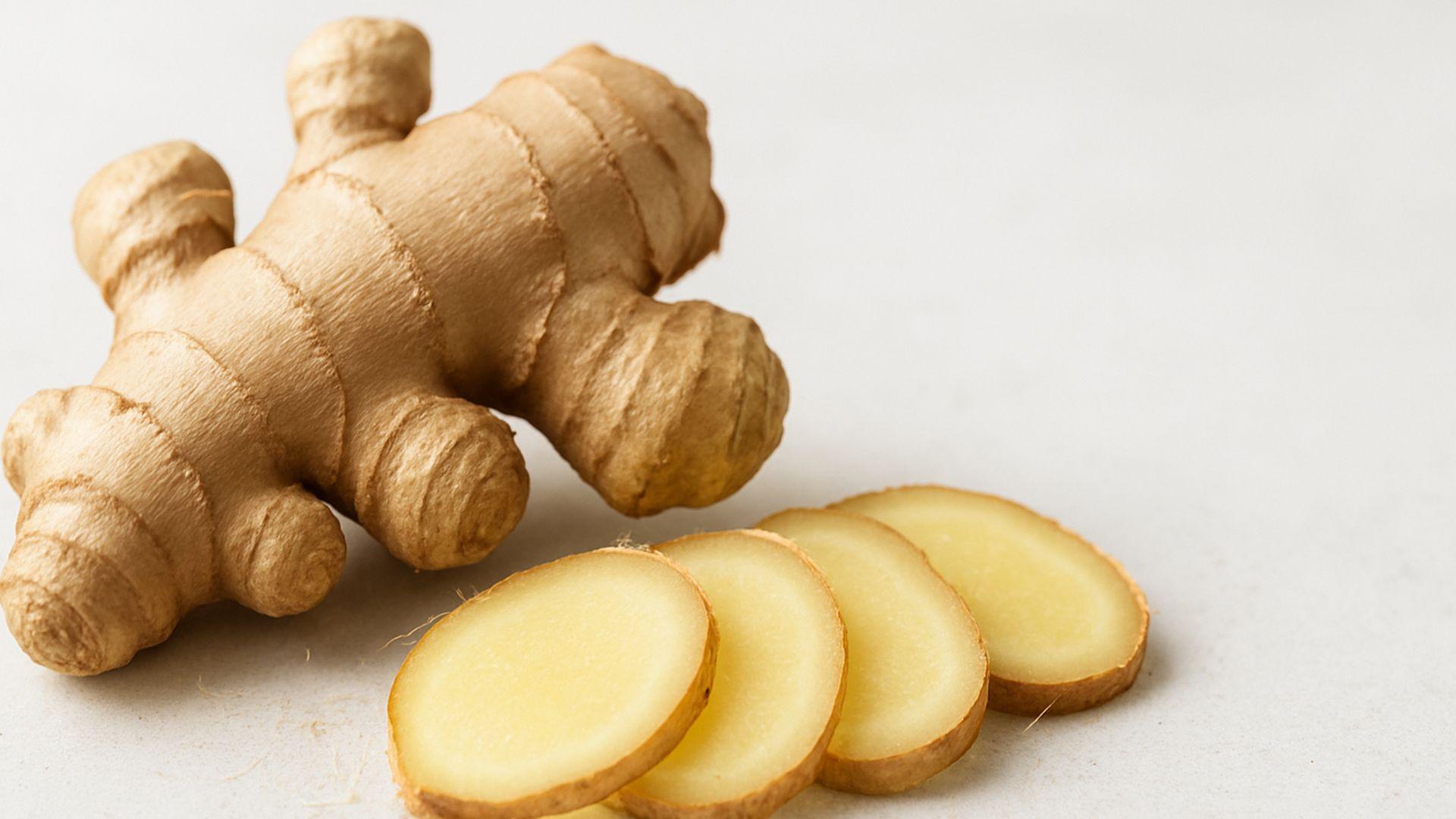
Ginger, derived from its rhizome, is widely valued as a spice, flavoring agent, and medicinal ingredient. Known for its pungent aroma and distinctive taste, it contains powerful bioactive compounds such as gingerol and shogaol, recognized for antioxidant, anti-inflammatory, and immunomodulatory properties.
Commercially, ginger is available in multiple forms: fresh, dried, powdered, pickled, preserved, crystallized, oil, and extracts. Its versatility allows it to be incorporated into savory dishes, confectionery, bakery items, beverages, teas, sauces, and dietary supplements.
Historically rooted in Asian, African, and Middle Eastern cuisines, ginger consumption is now expanding rapidly in Western diets. Functional beverages, herbal teas, kombucha, and plant-based supplements have introduced ginger to a broader consumer base. The shift toward clean-label and minimally processed foods has further strengthened demand.
With wellness trends accelerating worldwide, ginger’s dual identity as both a flavor enhancer and health-supporting ingredient positions it as a critical commodity within global agricultural and food supply chains.
Growth Drivers in the Global Ginger Market
1. Rising Demand for Natural and Functional Ingredients
One of the primary drivers of the global ginger market is the growing demand for natural and functional food ingredients. Consumers are increasingly replacing synthetic additives with plant-based alternatives that offer measurable health benefits.
Ginger is widely consumed for digestive support, inflammation reduction, and immune enhancement. As preventive healthcare becomes mainstream, the ingredient’s therapeutic profile is gaining stronger scientific backing, further encouraging adoption.
Countries such as India play a pivotal role in the supply chain. India ranks first globally as a producer, consumer, and exporter of ginger. According to FAO data, India accounts for nearly 45% of global spice production in 2023. This dominant production base supports both domestic use and international trade.
The rising global preference for herbal teas, immunity shots, and plant-based supplements ensures continued demand momentum.
2. Expanding Applications Across Food, Beverage, and Pharmaceutical Industries
Ginger’s versatility has expanded its footprint across multiple sectors:
-
Food & Beverages: Sauces, marinades, bakery products, snacks, sweets, energy drinks, kombucha, herbal teas, and flavored waters.
-
Pharmaceuticals: Anti-nausea syrups, digestive aids, cold remedies.
-
Nutraceuticals: Immunity boosters, anti-inflammatory capsules, herbal supplements.
In January 2026, Health-Ade introduced a limited-edition Ginger Lemon Berry kombucha flavor, blending lemon zest with ginger spice. Such innovations reflect how beverage brands are leveraging ginger’s flavor and functional appeal to attract wellness-focused consumers.
Ongoing research validating ginger’s bioactive benefits has also encouraged pharmaceutical and nutraceutical companies to incorporate standardized extracts into formulations.
3. Resurgence of Traditional and Herbal Medicine
The global revival of traditional medicine systems has further accelerated ginger demand. In Ayurveda and Traditional Chinese Medicine, ginger has long been prescribed for digestion, inflammation, and respiratory health.
In June 2023, Traditional Medicinals expanded its Organic Lemon Ginger tea into the Canadian market, strengthening its herbal tea portfolio. The move reflects rising trust in plant-based remedies and responsibly sourced herbal products.
As consumers increasingly favor holistic and preventive health practices, ginger continues to benefit from its long-standing medicinal credibility.
Key Challenges in the Global Ginger Market
Price Volatility and Supply Chain Constraints
Ginger production is highly sensitive to climatic conditions, soil quality, seasonal variations, and crop diseases. Weather disruptions can lead to significant yield fluctuations, causing price instability.
Such volatility affects farmers, processors, and exporters alike. Inconsistent supply can disrupt international trade and manufacturing schedules, particularly in import-dependent markets.
Improving agricultural resilience and supply chain efficiency remains critical for sustainable market growth.
Quality Variability and Regulatory Compliance
Quality inconsistency presents another significant challenge. Variations in cultivation practices, harvesting methods, and processing standards can affect potency, shelf life, and contamination levels.
Strict international food safety regulations regarding pesticide residues, contaminants, and labeling increase compliance costs. Meeting global export standards requires investment in quality control infrastructure, which may strain small-scale producers.
Product Segment Analysis
Fresh Ginger Market
Fresh ginger dominates household and food service consumption. It provides maximum flavor intensity and retains high levels of gingerol. Rising consumer preference for fresh and minimally processed ingredients supports this segment.
However, perishability and storage requirements pose logistical challenges. Despite this, growing awareness of fresh, natural foods ensures steady expansion.
Pickled Ginger Market
Pickled ginger, widely used as a palate cleanser in sushi and seafood dishes, has benefited from the global popularity of Japanese and Asian cuisines.
Its longer shelf life compared to fresh ginger makes it attractive for retail and food service sectors. Flavor innovations and improved packaging formats continue to enhance consumer appeal.
Preserved Ginger Market
Preserved ginger, typically sweetened in sugar or syrup, is popular in traditional sweets, bakery items, and festive foods. Its extended shelf life ensures stable market demand, particularly in regions with strong confectionery traditions.
Ginger Powder Market
Ginger powder offers convenience, long shelf life, and easy storage. It is widely used in baking, seasoning blends, beverages, and nutraceutical formulations.
As global demand for convenience foods rises, powdered ginger continues to gain traction in both retail and industrial applications.
Country-Level Insights
United States Ginger Market
The United States ginger market is expanding due to strong demand for functional foods and herbal beverages. Ginger is commonly used in baking, cooking, kombucha, and herbal teas.
In October 2023, Stansfeld Scott Inc. and Select Brands acquired Stone’s Ginger Wine to strengthen operational capabilities and sourcing efficiency.
The U.S. market remains largely import-dependent, making it sensitive to global supply conditions. However, rising health awareness ensures long-term growth.
United Kingdom Ginger Market
The United Kingdom ginger market benefits from growing health consciousness and interest in herbal drinks. Ginger-infused teas and wellness shots have become mainstream.
In August 2025, MOJU launched a 3 x 60ml Ginger product designed for convenient home consumption. Functional beverage innovation remains a key growth catalyst.
India Ginger Market
India is among the world’s largest producers and consumers of ginger. Domestic demand is driven by culinary use and Ayurvedic applications.
In August 2024, The Glenwalk entered the health drink segment with a Zero-Calorie Ginger Ale. Government support for spice cultivation and exports further strengthens India’s global position.
However, weather dependence and price fluctuations remain persistent challenges.
Saudi Arabia Ginger Market
The Saudi Arabia ginger market is influenced by culinary traditions and rising health awareness. Demand for fresh and dried ginger remains strong.
In 2023, Saudi Arabia imported US$41.8 million worth of ginger, ranking among the top global importers. A growing expatriate population and increased adoption of international cuisines are expanding consumption patterns.
Market Segmentation
By Product:
-
Fresh
-
Dried
-
Preserved
-
Pickled
-
Crystallized
-
Powdered
-
Others
By Region and Key Countries:
North America
-
United States
-
Canada
Europe
-
France
-
Germany
-
Italy
-
Spain
-
United Kingdom
-
Belgium
-
Netherlands
-
Turkey
Asia Pacific
-
China
-
Japan
-
India
-
Australia
-
South Korea
-
Thailand
-
Malaysia
-
Indonesia
-
New Zealand
Latin America
-
Brazil
-
Mexico
-
Argentina
Middle East & Africa
-
South Africa
-
Saudi Arabia
-
United Arab Emirates
-
Rest of the World
Competitive Landscape
The global ginger market includes major agribusiness and food companies, along with regional processors and exporters. Key companies covered with five viewpoints (Overview, Key Persons, Recent Developments & Strategies, Product Portfolio, and Financial Insights) include:
-
Archer Daniels Midland Company
-
Kerry Group
-
Olam International Limited
-
CHS Inc.
-
Nestle SA
-
McCormick & Co. Inc
-
SUN IMPEX INTERNATIONAL FOODS LLC
-
The Canadian Ginger Co.
-
The Ginger People
-
Monterey Bay Spice Co.
These companies are focusing on product innovation, supply chain optimization, and geographic expansion to strengthen their competitive positioning.
Final Thoughts
The Global Ginger Market is poised for steady expansion, supported by structural shifts toward wellness-driven consumption, clean-label products, and plant-based functional ingredients. With Renub Research projecting growth from US$ 5.31 billion in 2025 to US$ 8.37 billion by 2034, the sector demonstrates resilient, sustainable momentum.
While price volatility and regulatory compliance present challenges, innovation across beverages, nutraceuticals, and packaged foods continues to unlock new growth avenues. As consumers worldwide embrace natural health solutions and traditional herbal wisdom, ginger’s role in the global food and health ecosystem is set to strengthen further.
The coming decade will likely see ginger evolve from a traditional spice to a mainstream global wellness commodity—firmly embedded in modern dietary and preventive healthcare trends.

 English
 Arabic
 French
 Spanish
 Portuguese
 Deutsch
 Dutch
Dutch
 Italiano
 Russian
 Romaian
 Portuguese (Brazil)
 Tiếng Việt