


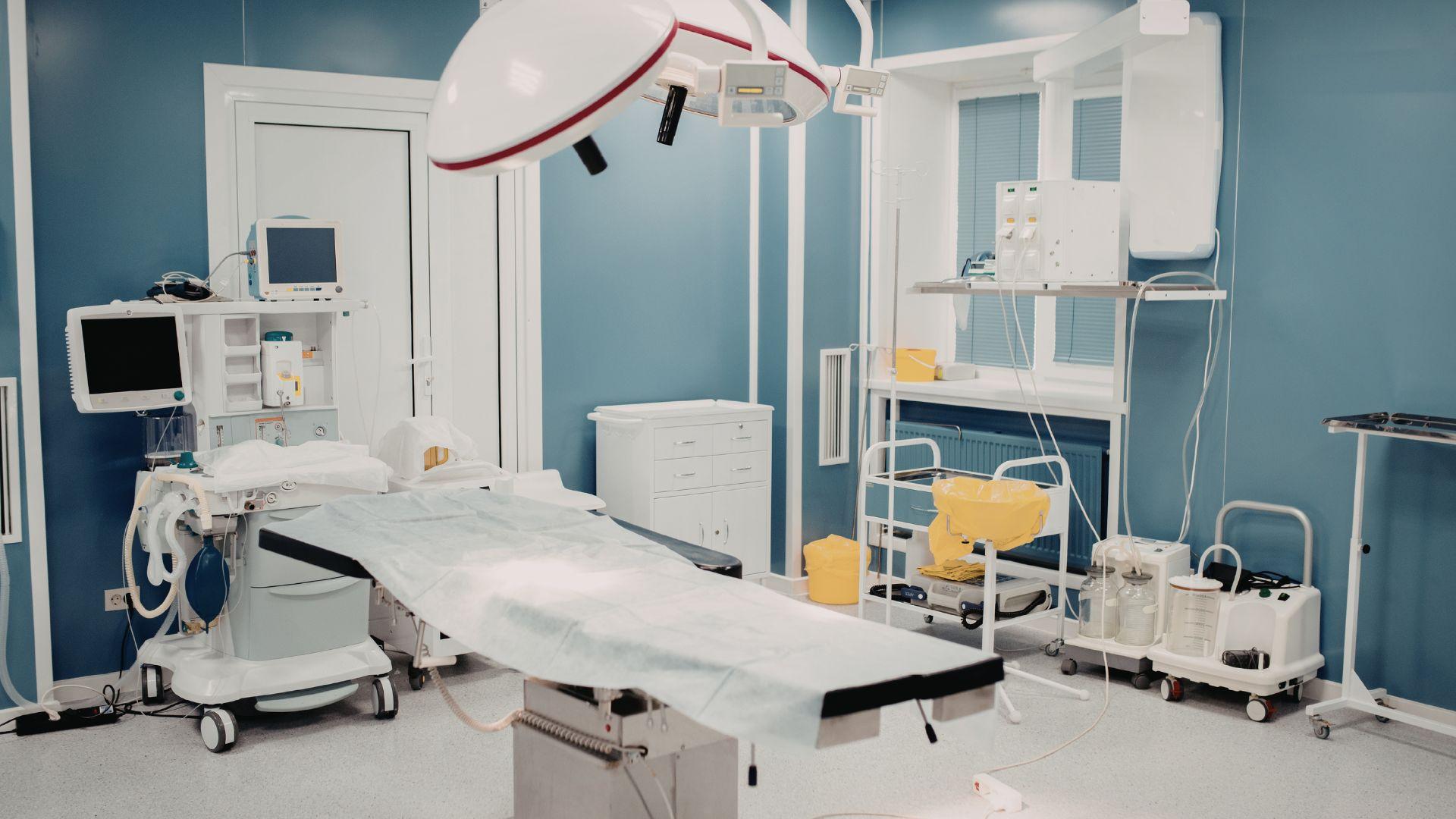
Europe Medical Ceramics Market Size & Forecast, 2026–2034
The Europe medical ceramics market is entering a phase of steady and strategic expansion, supported by innovation in biomaterials and a growing need for durable implant solutions. According to Renub Research, the market is projected to increase from US$ 3.73 billion in 2025 to US$ 5.37 billion by 2034, growing at a compound annual growth rate (CAGR) of 4.13% from 2026 to 2034.
This growth reflects the rising reliance on high-performance ceramic biomaterials in orthopedic surgeries, dentistry, plastic surgery, and surgical instrumentation. With Europe’s aging population, expanding healthcare budgets, and strict regulatory standards for patient safety, medical ceramics are becoming indispensable across multiple clinical applications.
Download Free Sample Report:https://www.renub.com/request-sample-page.php?gturl=europe-medical-ceramics-market-p.php
Understanding Medical Ceramics and Their Clinical Importance
Medical ceramics are inorganic, non-metallic biomaterials engineered for use in the human body. Unlike traditional materials such as metals and polymers, these ceramics offer exceptional biocompatibility, chemical stability, strength, and wear resistance.
Common types include:
-
Alumina
-
Zirconia
-
Hydroxyapatite
-
Bioactive glass
These materials are widely used in joint replacements, dental crowns, bone graft substitutes, implant coatings, and surgical tools. Their non-reactive nature ensures minimal immune response, reducing inflammation and long-term complications.
In Europe, the adoption of biomedical ceramics has accelerated due to advanced healthcare infrastructure and stringent medical device regulations. European medical systems prioritize long-lasting implants and reduced revision surgeries, making ceramics an attractive choice for both clinicians and patients.
Market Growth Catalysts
Rising Demand for Orthopedic and Dental Implants
One of the most significant growth drivers is the increasing number of orthopedic and dental procedures across Europe. An aging population is more susceptible to musculoskeletal disorders, osteoporosis, and degenerative joint diseases.
Data released by Versus Arthritis in November 2024 revealed that approximately one-third of the UK population—over 20 million people—were affected by musculoskeletal conditions in 2022. Such statistics highlight the growing need for joint replacements and bone repair procedures.
Ceramics like alumina and zirconia are preferred for:
-
Hip and knee joint replacements
-
Dental crowns and bridges
-
Implant abutments
-
Bone reconstruction
Their resistance to wear and corrosion ensures longer implant lifespans, which is crucial in reducing healthcare costs associated with repeat surgeries.
Technological Advancements in Ceramic Processing
Innovation in ceramic manufacturing technologies has significantly strengthened the market outlook. Techniques such as:
-
Precision sintering
-
Advanced coating technologies
-
Computer-aided design and manufacturing (CAD/CAM)
-
3D printing and bioprinting
have enhanced the mechanical performance and customization of ceramic implants.
In May 2025, Auxilium initiated clinical trials for the NeuroSpan Bridge, the world’s first space-bioprinted nerve regeneration implant, marking a milestone in regenerative medicine. Although developed in the United States, such breakthroughs influence European research institutions and manufacturers, accelerating innovation within the region.
The increasing integration of robotics and precision surgery platforms further supports ceramic implant adoption. For example, in October 2023, Johnson & Johnson Medical Tech introduced the VELYS Robotic-Assisted Solution in Europe under DePuy Synthes, enabling advanced knee surgeries in Germany, Belgium, and Switzerland. These technologies demand materials with superior precision and wear resistance—qualities inherent to medical ceramics.
Emphasis on Biocompatibility and Patient Safety
European healthcare systems maintain strict quality benchmarks for implantable materials. Ceramics offer several advantages over metal alternatives:
-
No metallic ion release
-
Lower risk of allergic reactions
-
Minimal inflammatory response
-
Superior corrosion resistance
As healthcare providers aim to reduce post-surgical complications and revision procedures, ceramics are increasingly chosen for their safety profile and long-term reliability.
Key Market Challenges
High Manufacturing and Material Costs
Despite their advantages, medical ceramics involve high production costs due to:
-
Complex fabrication processes
-
Advanced equipment requirements
-
Strict quality control standards
These factors increase the overall price of ceramic implants compared to conventional materials. Budget constraints in certain healthcare systems may limit rapid adoption, particularly in cost-sensitive regions.
Brittleness and Design Constraints
Ceramics are highly resistant to wear but comparatively brittle under extreme impact. This limits their application in areas requiring high flexibility or shock resistance. Continuous research focuses on improving composite formulations and hybrid designs to overcome this limitation.
Segment Analysis
Europe Bioactive Medical Ceramics Market
Bioactive ceramics actively interact with surrounding tissues, stimulating bone regeneration and integration. Materials like hydroxyapatite and bioactive glass promote osteoconduction, making them ideal for:
-
Bone grafts
-
Craniofacial reconstruction
-
Dental implants
The demand for regenerative solutions is growing as surgeons prefer materials that enhance natural healing processes rather than simply replacing damaged tissue.
Europe Bioresorbable Medical Ceramics Market
Bioresorbable ceramics dissolve gradually within the body after fulfilling their therapeutic purpose. These materials are commonly used in:
-
Fracture repair
-
Temporary bone scaffolds
-
Pediatric orthopedic procedures
Their biggest advantage lies in eliminating the need for a second surgery to remove implants. With Europe emphasizing minimally invasive and patient-centric treatments, this segment is poised for steady expansion.
Europe Plastic Surgery Medical Ceramics Market
Medical ceramics are increasingly used in facial reconstruction and aesthetic surgery. Materials like alumina and zirconia provide:
-
Structural stability
-
Natural bone-like appearance
-
Long-term durability
The growing popularity of reconstructive and cosmetic procedures across Europe supports continued growth in this niche segment.
Europe Orthopedic Medical Ceramics Market
Orthopedics represents the largest segment of the European medical ceramics market. Zirconia and alumina ceramics are widely utilized in:
-
Hip replacements
-
Knee replacements
-
Spinal implants
The reduction of friction in joint articulations significantly enhances implant longevity. As osteoarthritis cases rise among Europe’s aging population, this segment remains central to market expansion.
Europe Dental Medical Ceramics Market
Dental ceramics continue to see strong demand due to aesthetic and functional advantages. Zirconia and porcelain are used in:
-
Crowns
-
Bridges
-
Veneers
-
Implant abutments
European consumers increasingly seek durable and natural-looking restorative solutions, boosting demand in cosmetic and restorative dentistry.
In May 2023, Allisone Technologies strengthened its position in digital dentistry by acquiring Spotimplant, an AI-powered implant identification software. Such developments illustrate the merging of digital health and advanced materials in modern dentistry.
Country-Level Insights
France Medical Ceramics Market
France’s market faces cost-related challenges but remains innovative in digital dentistry and orthopedic solutions. Strategic acquisitions and AI-driven diagnostic tools are reshaping dental and implant practices.
Germany Medical Ceramics Market
Germany stands as one of Europe’s most advanced medical ceramics markets, supported by engineering excellence and strong manufacturing capabilities. The country’s aging population and high surgical volumes sustain steady demand for ceramic-based implants.
Robotic-assisted surgery platforms and premium implant technologies reinforce Germany’s leadership in high-quality orthopedic and dental care.
United Kingdom Medical Ceramics Market
The UK market is expanding steadily due to increasing orthopedic procedures and evidence-based clinical adoption of ceramic implants. The healthcare system’s focus on long-term outcomes aligns well with the durability advantages of ceramic materials.
In November 2025, Advita Ortho was officially incorporated as a global medical device company aiming to transform orthopedic care through innovation. Such developments enhance the UK’s ecosystem for implant technologies.
Russia Medical Ceramics Market
Russia’s medical ceramics market is gradually gaining momentum as healthcare infrastructure improves. Although adoption levels are lower compared to Western Europe, growing investments in hospital modernization and orthopedic care are creating long-term opportunities.
Market Segmentation Overview
By Material Type
-
Bioinert
-
Bioactive
-
Bioresorbable
-
Piezo Ceramics
By Application
-
Surgical Instruments
-
Plastic Surgery
-
Orthopedic Applications
-
Dental Applications
By Geography (Europe Focus)
-
France
-
Germany
-
Italy
-
Spain
-
United Kingdom
-
Belgium
-
Netherlands
-
Turkey
Competitive Landscape
Leading players shaping the European medical ceramics industry include:
-
CeramTec GmbH
-
NGK Spark Plug Co., Ltd.
-
3M
-
Kyocera Corporation
-
Morgan Advanced Materials
-
DSM
-
Straumann
-
BioMérieux SA
These companies focus on product innovation, research collaborations, and strategic expansions to maintain competitive positioning in a market increasingly defined by precision and patient safety.
Final Thoughts
The Europe medical ceramics market is not witnessing explosive growth—but it is experiencing stable, high-quality expansion built on technological advancement, demographic shifts, and regulatory excellence. With Renub Research forecasting the market to reach US$ 5.37 billion by 2034, ceramics are solidifying their role as essential materials in orthopedic, dental, and regenerative medicine.
As healthcare systems strive for durability, safety, and improved patient outcomes, medical ceramics offer a compelling value proposition. While cost and brittleness remain technical challenges, ongoing innovation and manufacturing improvements are steadily addressing these concerns.
In the years ahead, Europe’s combination of aging demographics, robust healthcare infrastructure, and strong research culture will continue to support sustainable growth in the medical ceramics sector—making it a cornerstone of next-generation implant technology.

 English
 Arabic
 French
 Spanish
 Portuguese
 Deutsch
 Dutch
Dutch
 Italiano
 Russian
 Romaian
 Portuguese (Brazil)
 Tiếng Việt