


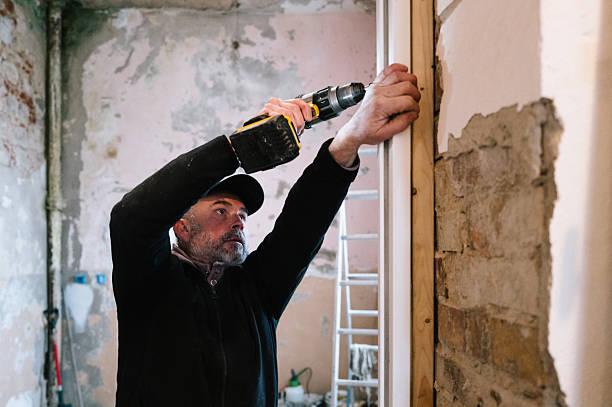
Renovating an older home in Saint Peters means balancing charm with modern comfort. Historic homes often have strong bones and unique character, but they also come with outdated systems, inefficient layouts, and hidden maintenance issues. The goal is not to erase history, but to preserve what works while upgrading what no longer serves today’s lifestyle.
With the right planning and professional handyman services, homeowners can enjoy the beauty of classic architecture without sacrificing safety, energy efficiency, or functionality.
Key takeaways:
Historic homes need careful inspection before renovation. Modern upgrades should respect original design. Professional guidance reduces risk and protects long-term value.
Why Older Homes Need a Different Renovation Approach
Renovating a historic or older home is not the same as remodeling a new build. Materials, construction methods, and layouts are often completely different.
Many homes in Saint Peters were built decades ago, using materials that are no longer standard. Electrical systems may not support modern appliances, plumbing may be undersized, and insulation is often minimal.
A successful renovation starts with understanding what can be preserved and what must be replaced for safety and performance.
Understanding the Condition of Older Homes
Before any design decisions, a full inspection is essential.
Common issues found in older properties include aging wiring, outdated plumbing, foundation settling, roof wear, and poor ventilation. These problems are rarely visible at first glance but can drive major budget changes later.
Addressing structural and system issues early prevents costly surprises mid-project.
Material & Type-Based Renovation Challenges
Older homes use materials that are no longer widely available or installed the same way today.
Original hardwood floors may be thinner than modern ones. Plaster walls behave differently than drywall. Windows may be single-pane wood frames instead of vinyl or aluminum.
Replacing these elements requires skilled workmanship to maintain both appearance and performance.
Performance & Efficiency: Bringing Historic Homes Up to Modern Standards
One of the biggest reasons homeowners renovate is energy efficiency.
Older homes lose heat and air through outdated insulation, drafty windows, and inefficient HVAC systems. Modern upgrades can reduce energy bills by 20%–40% while improving indoor comfort.
High-efficiency systems blend invisibly into historic structures when installed correctly.
Cost & Practical Guidance: Budgeting for Historic Renovation
Historic renovations often cost more than standard remodeling.
Special materials, custom carpentry, and structural repairs add complexity. In Saint Peters, full historic renovations typically range from $100 to $200 per square foot depending on scope.
Setting aside a 15%–20% contingency fund is critical due to unknown conditions behind walls and floors.
Experience-Based Optimization Insight
Experienced handyman professionals recommend upgrading systems before finishes.
New kitchens and bathrooms mean little if plumbing or wiring fails later. Smart homeowners invest first in electrical panels, pipes, insulation, and roofing.
This approach protects both the renovation and the home’s resale value.
Real-World Case Example
A homeowner in Saint Peters renovated a 1950s home with original wiring and plumbing.
During demolition, unsafe aluminum wiring was discovered. Replacing it added $8,000 to the budget but prevented future fire risks and allowed modern appliances to run safely.
Without professional inspection, this issue could have gone unnoticed until damage occurred.
Why Professional Handyman Services Matter
Historic renovations require more than basic remodeling skills.
Professional handyman teams understand how to work with older materials, match finishes, and solve unexpected structural issues. They also ensure compliance with local codes and safety standards.
DIY renovations often lead to uneven results and higher long-term costs.
How Modernization Enhances Historic Homes
Modernization does not mean removing character.
It means adding functionality through updated kitchens, open living spaces, smart lighting, modern bathrooms, and improved storage.
The best renovations feel seamless, where modern features support the home instead of competing with it.
Environmental Impact and Sustainability
Renovating an existing home is more environmentally friendly than building new.
Reusing structures reduces waste and material consumption. Energy upgrades further lower the home’s carbon footprint.
Sustainable renovations preserve history while supporting future generations.
When Is the Right Time to Renovate?
The best time to renovate is before small problems become big ones.
Water stains, uneven floors, drafty rooms, rising energy bills, and outdated layouts are all signs that modernization is needed.
Waiting too long increases both cost and risk.
Historic vs Modern Renovation Comparison
| Area | Historic Home | Modern Upgrade |
| Electrical | Limited capacity | Full modern load |
| Insulation | Minimal | Energy efficient |
| Plumbing | Galvanized pipes | PEX or copper |
| Layout | Closed rooms | Open concept |
| Windows | Single-pane | Double or triple-pane |
Each upgrade improves safety, comfort, and property value.
Local Experts in Saint Peters, MO
For homeowners seeking trusted renovation services, Handyman Professional Services provides full historic renovation and modernization support across Saint Peters and surrounding areas.
Their team handles structural repairs, system upgrades, carpentry, and finish work under one professional service model.
Preserving History While Living Modern
Historic homes offer unmatched charm, but they require smart renovation strategies.
By focusing on safety, efficiency, and respectful modernization, homeowners can enjoy both classic character and modern comfort.
Ready to transform your home?
Handyman Professional Services
📞 (314) 440-1954
📧 info@handymanprosservices.com
Frequently Asked Questions (FAQs)
Are historic renovations more expensive?
Yes, due to specialized materials and hidden issues.
Do I need permits for older homes?
Most major renovations require permits.
Can modern systems be added without changing design?
Yes, with skilled installation.
How long does historic renovation take?
Typically 3–6 months depending on scope.
Is it worth renovating instead of selling?
Often yes, especially in desirable neighborhoods.
What adds the most value?
Kitchens, bathrooms, and energy upgrades.
Should I renovate in phases?
Yes, if budget is limited.

 English
 Arabic
 French
 Spanish
 Portuguese
 Deutsch
 Turkish
 Dutch
Dutch
 Italiano
 Russian
 Romaian
 Portuguese (Brazil)