


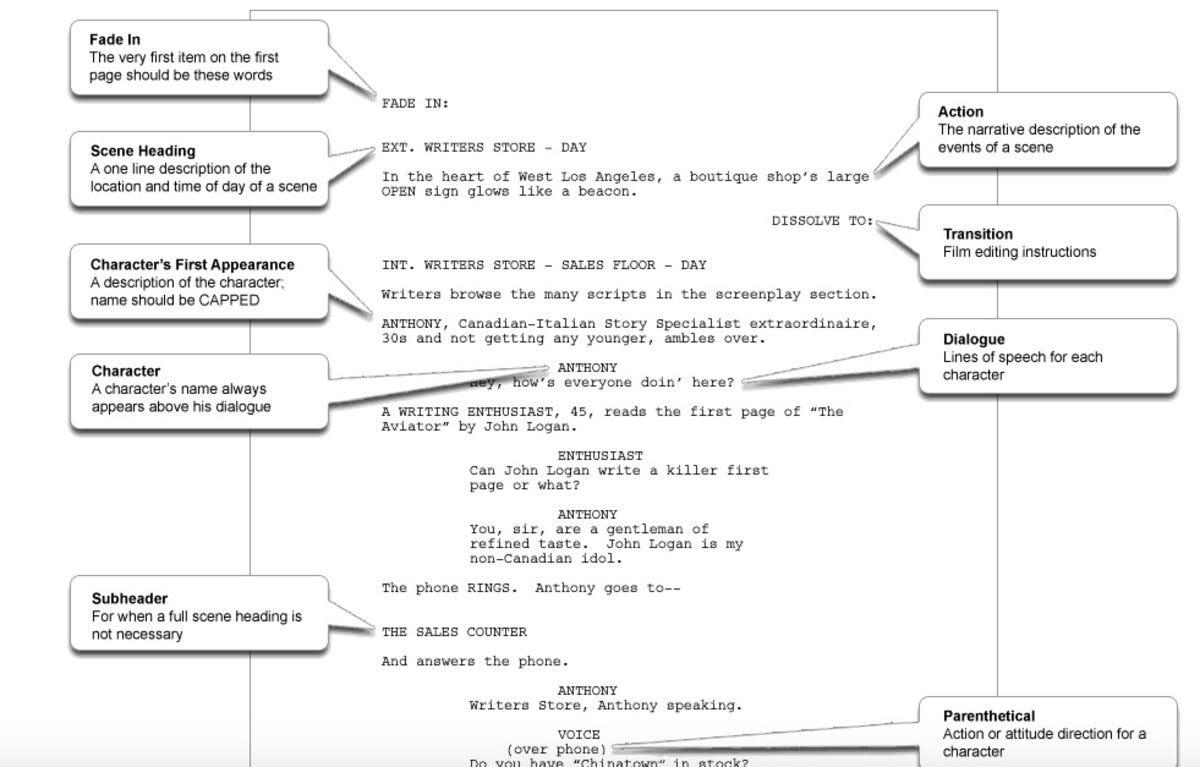
Reading a movie script can be entertaining, but breaking one down like a professional critic requires a completely different mindset. Critics, producers, and script readers don't just enjoy stories they evaluate them using structured methods that reveal strengths, weaknesses, and overall potential. Understanding how this process works can sharpen your storytelling instincts, improve your writing skills, and help you judge scripts with industry-level insight.
Understanding the Purpose of Script Evaluation
Professional reviewers approach scripts with a specific goal: to determine whether a story is compelling, marketable, and structurally sound. This is where screenplay analysis becomes essential, as it provides a systematic way to examine plot, characters, pacing, and emotional impact. Rather than relying on personal opinion alone, critics use proven storytelling principles to assess whether a script meets professional standards. For writers, this learning process can transform the way they edit and refine their own work.
Start With the Big Picture
Before diving into technical details, professionals look at the script as a whole. They identify the genre, tone, and intended audience. A romantic comedy, for example, should create emotional warmth and humor, while a thriller must build tension and suspense. Critics also consider the script's central theme its underlying message about life, society, or human nature.
Another key question is: What is this story really about? The plot might follow a detective solving a mystery, but the deeper theme could be about trust or redemption. Recognizing this big-picture perspective ensures that every later critique is grounded in the story's purpose.
Examine Story Structure
Structure is the backbone of any script. Most professional critics start by mapping the story's framework, usually based on the classic three-act structure:
-
Act I – Setup: Introduces characters, world, and conflict
-
Act II – Confrontation: Raises stakes and complications
-
Act III – Resolution: Delivers climax and conclusion
They check whether the inciting incident occurs early enough to hook viewers and whether the midpoint raises tension. Weak structure often leads to pacing problems, such as slow beginnings or rushed endings. By charting key plot points, critics can quickly identify whether the story flows logically or feels uneven.
Analyze Character Development
Strong characters are often the deciding factor between a forgettable script and a memorable one. Critics examine whether the protagonist has clear goals, believable motivations, and meaningful obstacles. They also assess whether the antagonist presents a genuine challenge or feels superficial.
Character arcs are especially important. A compelling script shows transformation afraid characters become brave, selfish ones learn empathy, or flawed heroes confront their weaknesses. If the characters remain unchanged despite major events, critics may consider the story emotionally flat. Evaluating relationships, dialogue interactions, and internal conflicts helps determine whether characters feel authentic and relatable.
Evaluate Relationship Quality
Dialogue reveals personality, advances the plot, and shapes tone. Professionals read conversations carefully to see whether they sound natural or forced. Realistic dialogue usually reflects how people actually speak concise, purposeful, and emotionally layered.
Critics also listen for distinct character voices. If every character sounds the same, it suggests weak characteristics. Subtext is another key factor: what characters don't say can be more powerful than what they do. Skilled critics look for hidden meaning, tension, and emotional undertones within conversations.
Review Scene Construction
Each scene should serve a clear purpose. Critics ask whether a scene advances the story, reveals character, or builds tension. If it accomplishes none of these, it may be unnecessary. They also evaluate visual storytelling since film is a visual medium, scenes should show rather than tell.
Transitions between scenes matter as well. Smooth transitions maintain narrative momentum, while abrupt shifts can confuse audiences. Professionals often highlight scenes that drag or repeat information, as these slow pacing and weaken engagement.
Assess Theme and Emotional Impact
A script's emotional power determines how strongly audiences connect with it. Critics examine whether the tone remains consistent and whether the theme is reinforced throughout the story. Symbolism, motifs, and recurring imagery often signal thematic depth.
At this stage, reviewers may revisit earlier notes to see how all elements work together. This midpoint reflection is where many experts conduct a focused screenplay analysis to evaluate how structure, character, and dialogue combine to support the script's emotional core. If these elements align, the story feels cohesive and satisfying; if not, it may feel scattered or unfocused.
Identify Strengths and Weaknesses
Professional critics don't just point out flaws they balance criticism with recognition of what works. They look for originality, strong pacing, memorable characters, and fresh storytelling approaches. At the same time, they flag clichés, plot holes, inconsistent tone, or unrealistic character decisions.
Constructive feedback is essential. Instead of saying “this scene is bad,” a skilled reviewer explains why it fails and suggests how it could improve. This approach makes critiques more useful for writers and decision-makers.
Tools and Techniques Professionals Use
Industry experts rely on practical tools to organize their observations. Common methods include:
-
Annotation: Highlighting important lines or moments directly in the script
-
Coverage notes: Summaries and evaluations used by studios and producers
-
Scoring systems: Rating elements such as dialogue, pacing, and originality
These tools help critics stay objective and consistent. They also make it easier to compare multiple scripts when deciding which projects deserve further development.
Practical Example Breakdown
Imagine reviewing a short scene in which a hero confronts a rival. A critic would ask:
-
Does the scene advance the plot?
-
Do the characters reveal new information about themselves?
-
Is tension rising or falling?
-
Is the dialogue purposeful and distinct?
By answering these questions, the reviewer can quickly determine whether the scene strengthens the story or needs revision. Practicing this method regularly sharpens analytical instincts and speeds up evaluation skills.
Surgery
Breaking down a movie script like a professional critic is both an art and a skill. It requires looking beyond entertainment value and examining structure, characters, dialogue, pacing, and emotional impact. By starting with the big picture, analyzing each storytelling element, and balancing strengths with weaknesses, you can evaluate scripts with confidence and clarity.
Whether you're a writer refining your craft, a student studying film, or an aspiring critic, mastering these techniques will deepen your understanding of storytelling. The more scripts you review, the sharper your analytical eye becomes and the closer you get to thinking like a true industry professional.

 English
 Arabic
 French
 Spanish
 Portuguese
 Deutsch
 Dutch
Dutch
 Italiano
 Russian
 Romaian
 Portuguese (Brazil)
 Tiếng Việt