


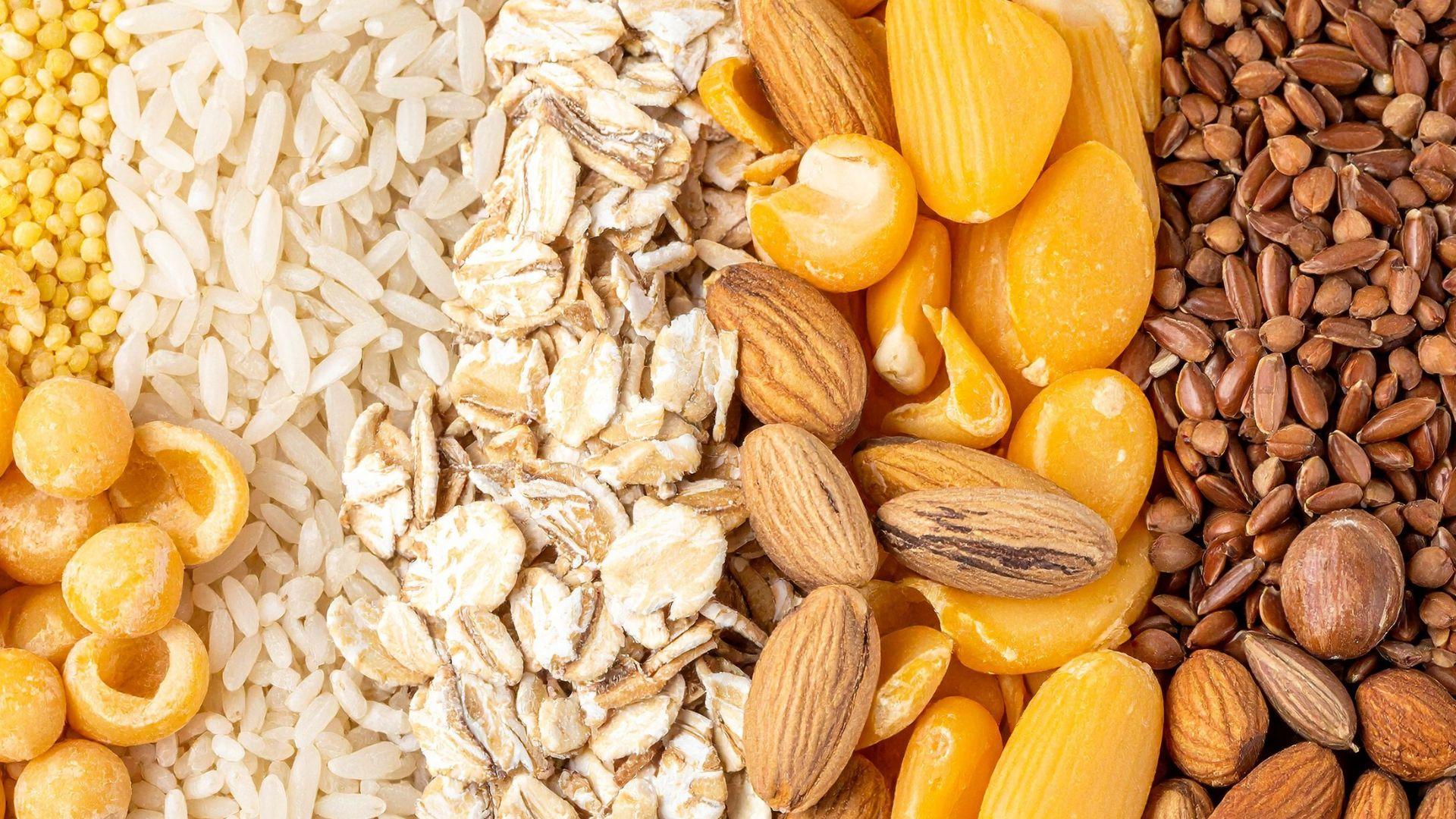
Global Millets Market Size and Forecast 2025–2033
The Global Millets Market was valued at USD 11.15 billion in 2024 and is projected to reach USD 18.65 billion by 2033, expanding at a CAGR of 5.88% between 2025 and 2033.
Rising consumer awareness about health benefits, the growing popularity of gluten-free diets, and increasing government support for sustainable farming practices are driving strong global demand. Millets are steadily gaining recognition across food, beverage, and nutritional supplement industries as a resilient and nutrient-dense grain suited for modern dietary preferences.
Overview of the Millets Market
Millets are small-seeded cereal grains cultivated widely across Asia and Africa. Known for their climate resilience and low water requirements, they are considered among the most sustainable crops globally. Common varieties include:
· Pearl millet (Bajra)
· Finger millet (Ragi)
· Foxtail millet
· Proso millet
Millets are rich in fiber, protein, and essential minerals such as iron, calcium, and magnesium. They are naturally gluten-free, making them an ideal alternative for individuals with celiac disease or gluten intolerance.
As lifestyle-related diseases such as diabetes, obesity, and cardiovascular disorders increase globally, millets are being recognized as functional foods that support blood sugar management, digestion, and heart health.
Download Free Sample Report:https://www.renub.com/request-sample-page.php?gturl=millets-market-p.php
Key Growth Drivers
1. Increasing Health Awareness
Consumers are increasingly shifting toward whole grains and nutrient-dense foods. Millets’ high fiber and mineral content make them attractive to health-conscious urban populations.
In 2023, Nestlé India introduced millet-based porridges combining local grains like bajra and barley with vegetables and spices. This launch reflects how multinational food companies are aligning with consumer health trends.
2. Government Initiatives and Policy Support
Governments across Asia and Africa are actively promoting millet cultivation through subsidies, research programs, and public awareness campaigns.
India declared 2023 as the International Year of Millets, positioning millets as “Nutri-Cereals.” The Indian Ministry of Food Processing Industries launched the Production Linked Incentive Scheme for Millet-Based Products to encourage product innovation and export growth.
Public-sector support has significantly improved production capacity, supply chains, and millet-based product integration into nutrition schemes such as mid-day meal programs.
3. Growth of Sustainable and Plant-Based Diets
Millets require significantly less water compared to rice and wheat and are tolerant to climate stress. As sustainability becomes a global priority, millets fit naturally into environmentally conscious food systems.
With over 96 million hectares of land under organic farming globally and organic food sales reaching nearly 135 billion euros in 2022, millets are well positioned to benefit from sustainable food movements.
Key Challenges
Limited Consumer Awareness
In some regions, millets are still perceived as traditional or “low-income” foods. In developed markets, grains such as quinoa and oats enjoy stronger brand recognition, limiting millet penetration.
Overcoming this perception requires effective branding, product innovation, and educational campaigns.
Supply Chain and Processing Constraints
Post-harvest infrastructure for millets remains underdeveloped in many producing regions. Challenges include:
· Inadequate storage facilities
· Limited modern milling units
· Shorter shelf life compared to other grains
· Fragmented distribution networks
These constraints impact export potential and price stability.
Product Segment Analysis
Organic Millets
Organic millets are gaining traction among clean-label consumers. Certified organic millet flours, snacks, and breakfast products are increasingly available in premium retail and online platforms, particularly in North America and Europe.
Regular Millets
Regular millets form the majority of global supply and remain staple foods in developing economies such as India, Nigeria, and Ethiopia. They are affordable and central to food security programs.
Application Insights
Infant Food
Millet-based baby foods are valued for digestibility and nutritional density. Fortified millet cereals and porridges are expanding rapidly in Asia and Africa.
Breakfast Products
Millets are widely used in cereals, muesli, pancakes, and ready-to-eat breakfast bowls. Demand is strong in urban markets across North America and Europe.
Bakery and Beverages
Food manufacturers are incorporating millet flour into breads, cookies, and snack products. Millet-based beverages are also emerging as functional drinks.
Distribution Channel Trends
Supermarkets
Supermarkets play a key role in product visibility and brand positioning. Organized retail channels are expanding millet offerings, including organic and value-added variants.
Online Stores
E-commerce platforms are rapidly driving millet sales, especially post-pandemic. Online retail enables access to specialty and niche millet products, boosting global reach.
Regional Insights
United States
The USA millet market is expanding due to demand for gluten-free and sustainable grains.
In January 2024, India and the United States launched the Indo-US Millets Initiative involving organizations such as the University of Nebraska’s Daugherty Water for Food Global Institute and the North American Millets Alliance to promote awareness and research collaboration.
Germany
Germany is emerging as a major European market for millets, driven by organic and vegan food demand. Health food stores and specialty retailers are expanding millet-based product offerings.
India
India remains the world’s largest producer and consumer of millets.
In May 2023, Bonn Group of Industries launched millet-based bread, pizza, and burger products under its health-focused campaign. Government-backed initiatives continue to boost both domestic consumption and export potential.
Saudi Arabia
Rising health awareness and interest in gluten-free diets are supporting millet demand in Saudi Arabia. Imports from India and Africa dominate supply, while distribution through specialty food stores and online platforms is expanding.
Market Segmentation
By Product
· Organic
· Regular
By Application
· Infant Food
· Bakery Products
· Breakfasts
· Beverages
· Fodder
· Others
By Distribution Channel
· Trade Associations & Organizations
· Supermarkets
· Traditional Grocery Stores
· Online Stores
· Others
Future Outlook
The global millets market stands at the crossroads of health, sustainability, and food security.
Key trends shaping the next decade include:
· Integration of millets into functional foods
· Expansion of millet-based ready-to-eat products
· Growth in organic and clean-label segments
· Increased investment in processing infrastructure
· Government-backed export initiatives
With projected growth to USD 18.65 billion by 2033, millets are transitioning from traditional grains to globally recognized superfoods.
Final Thoughts
Millets, once considered regional staples, are now gaining international recognition as climate-smart, nutrient-rich grains. Their ability to address health concerns while supporting sustainable agriculture makes them uniquely positioned for long-term growth.
As governments strengthen policy support and food companies innovate across product categories, millets are evolving into a mainstream global commodity.

 English
 Arabic
 French
 Portuguese
 Deutsch
 Turkish
 Dutch
Dutch
 Italiano
 Russian
 Romaian
 Portuguese (Brazil)
 Tiếng Việt