


Global Rice Milk Market Size & Forecast 2025–2033
The Global Rice Milk Market is projected to grow from US$ 751.67 million in 2024 to US$ 1,506.35 million by 2033, registering a strong CAGR of 8.03% during the forecast period (2025–2033). The surge is primarily driven by rising demand for plant-based dairy alternatives, growing health consciousness, and increasing lactose intolerance awareness across global populations.
As consumers continue shifting toward vegan, allergen-free, and sustainable dietary choices, rice milk is steadily carving out a distinct niche within the broader plant-based beverage industry.
Outlook for the Global Rice Milk Market
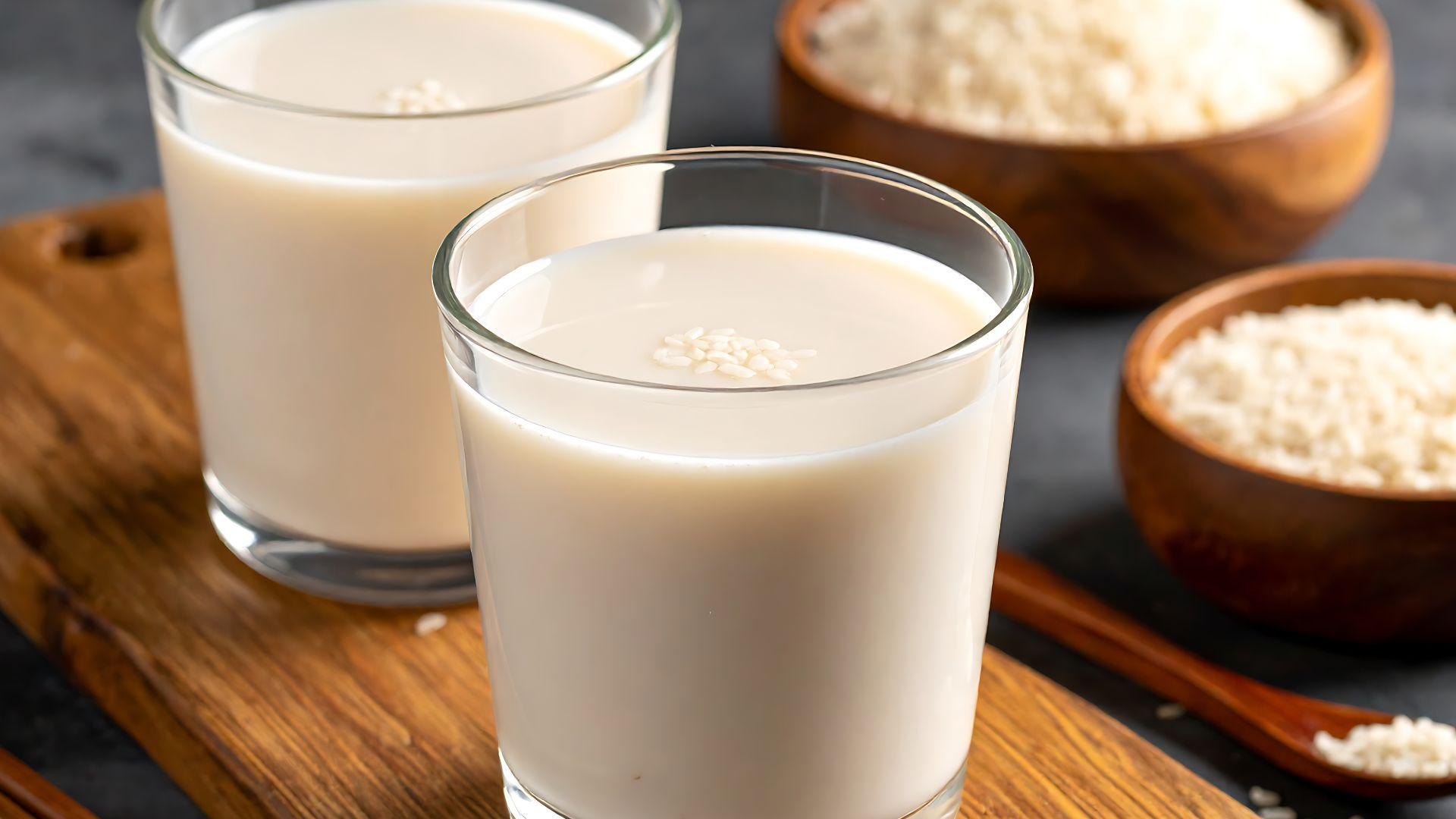
Rice milk is a plant-based beverage made by blending milled or cooked rice with water and straining the mixture to remove solids. Naturally free from lactose, soy, and nuts, rice milk is particularly appealing to individuals with dairy allergies or dietary restrictions.
It is characterized by:
· A mild, naturally sweet flavor
· A thin and light texture
· Hypoallergenic properties
· Versatile culinary use
Rice milk has gained traction in countries with high adoption of plant-based diets, including the United States, Canada, the United Kingdom, and parts of Asia-Pacific. It is commonly used in smoothies, cereals, coffee beverages, and baking applications.
Download Free Sample Report:https://www.renub.com/request-sample-page.php?gturl=rice-milk-market-p.php
Growth Drivers in the Global Rice Milk Market
Increasing Demand for Plant-Based and Dairy-Free Alternatives
The shift toward plant-based diets is one of the most significant drivers of rice milk consumption. Health concerns, ethical considerations, and environmental sustainability are motivating consumers to reduce dairy intake.
According to industry findings from the Plant Based Foods Association, the plant-based milk category experienced notable growth in 2023, with rice milk contributing meaningfully to category expansion.
Rice milk stands out because it is:
· Lactose-free
· Cholesterol-free
· Nut-free
· Soy-free
Flexitarian and vegan lifestyles are gaining popularity globally, and foodservice outlets increasingly offer dairy alternatives. Public awareness campaigns such as “Meatless Monday” have further encouraged adoption of plant-based beverages.
Perceived Health Benefits and Clean-Label Appeal
Consumers are increasingly drawn to clean-label products with simple ingredient lists. Rice milk typically contains water and rice, making it appealing to ingredient-conscious shoppers.
Manufacturers enhance its nutritional value through fortification with:
· Calcium
· Vitamin D
· Vitamin B12
OGGS, a UK-based vegan bakery, replaced soy and oat milk with rice milk in its cupcake range in 2023, reporting a 15% increase in sales within six months due to improved allergen positioning and texture.
The absence of common allergens makes rice milk suitable for schools, hospitals, and institutional buyers where allergen management is critical.
Convenience and Shelf-Stability
Rice milk is available in:
· UHT cartons
· Refrigerated bottles
· Powdered formats
Powdered rice milk offers extended shelf life and reduced logistics costs, particularly beneficial in emerging markets with limited cold-chain infrastructure.
Urbanization and supermarket expansion across Asia, Latin America, and the Middle East are further exposing new consumers to plant-based categories.
Challenges in the Global Rice Milk Market
Nutritional Perception and Protein Gap
Rice milk is naturally lower in protein compared to dairy milk and soy milk. Although fortification addresses micronutrient gaps, protein-conscious consumers may prefer alternative plant milks.
This nutritional perception presents a marketing challenge, particularly among families and institutional buyers.
Flavor and Texture Limitations
Rice milk’s thinner mouthfeel may limit its use in applications requiring creaminess, such as specialty coffee beverages or sauces. Reformulation with thickeners and emulsifiers may compromise clean-label positioning and increase production costs.
Competition from oat and almond milk further intensifies market pressure.
Market Segment Analysis
Powder Rice Milk Market
Powdered rice milk reduces shipping volume and weight, lowering transportation costs and improving shelf life. It is widely used in:
· Food manufacturing
· Emergency nutrition programs
· Institutional procurement
· Airline catering
Its reconstitution flexibility allows customized viscosity and sweetness levels.
Organic Rice Milk Market
Organic rice milk appeals to premium consumers seeking pesticide-free and non-GMO products. It is particularly popular in:
· Natural food stores
· Premium supermarkets
· Health-focused e-commerce channels
Sustainable sourcing and regenerative agriculture narratives enhance brand loyalty.
Conventional Rice Milk Market
Conventional rice milk dominates volume sales due to affordability. It serves mainstream retail and private-label channels where price competitiveness is essential.
End-Use Industry Insights
Food and Beverages
Rice milk is widely used in ready-to-drink beverages, flavored milk alternatives, vegan desserts, bakery mixes, and coffee blends. Heat stability and compatibility with UHT processing make it ideal for long-life beverages.
Personal Care
Rice milk extracts are increasingly incorporated into cosmetics and skincare products due to their soothing and hydrating properties. Brands leverage rice milk in lotions, cleansers, and baby-care formulations.
Pharmaceuticals
Rice milk derivatives are used in pediatric suspensions, nutritional supplements, and allergen-free oral formulations. Rice starch functions as an excipient and binder in tablet manufacturing.
Country-Level Market Analysis
United States Rice Milk Market
The U.S. market benefits from high allergy awareness and established natural-food retail channels. Innovation in flavored and fortified variants is driving growth.
In 2025, Califia Farms introduced vanilla and chocolate rice milk variants, expanding appeal among mainstream consumers.
However, strong competition from almond and oat milk continues to challenge market share.
United Kingdom Rice Milk Market
The UK market emphasizes fortified plant milks due to public health messaging around calcium and vitamin D intake.
In September 2025, Ecotone entered the dairy-alternative drinks sector under its Kallo brand, intensifying competition within plant-based beverages.
China Rice Milk Market
China’s rice-based culinary culture provides natural acceptance for rice milk. Urban youth and health-conscious consumers are driving growth.
In September 2023, Luckin Coffee collaborated with Wuchang Rice to introduce a Rice Milk Latte, targeting lactose-intolerant consumers.
Brazil Rice Milk Market
Brazil’s expanding plant-based segment and strong agricultural base support domestic rice milk production. Powdered formats offer logistical advantages across regions with limited refrigeration.
Saudi Arabia Rice Milk Market
In Saudi Arabia, rice milk appeals to halal-conscious consumers and expatriate populations. Shelf-stable formats are particularly suited to hot climates.
Market Segmentation
By Form
· Powder Rice Milk
· Fluid Rice Milk
By Source
· Organic
· Conventional
By End Use
· Food and Beverages
· Nutraceutical and Baby Food
· Personal Care
· Pharmaceuticals
· Others
By Region
North America
· United States
· Canada
Europe
· France
· Germany
· Italy
· Spain
· United Kingdom
· Belgium
· Netherlands
· Turkey
Asia Pacific
· China
· Japan
· India
· South Korea
· Thailand
· Malaysia
· Indonesia
· Australia
· New Zealand
Latin America
· Brazil
· Mexico
· Argentina
Middle East & Africa
· Saudi Arabia
· UAE
· South Africa
Key Players Analysis
Major companies operating in the global rice milk market include:
· Axiom Foods Inc
· Ebro Foods S.A.
· The Bridge s.r.l
· The Hain Celestial Group Inc.
· Vitasoy Australia Products Pty Ltd
· Essona Organics Inc.
· OKF Corporation
· PureHarvest
· Riso Scotti S.p.A.
· Rita Food and Drink Co. Ltd
Each company is analyzed across five viewpoints:
· Overview
· Key Persons
· Recent Developments
· SWOT Analysis
· Revenue Analysis
Final Thoughts
The global rice milk market is positioned for strong and sustained growth over the coming decade. With projections showing expansion from US$ 751.67 million in 2024 to US$ 1,506.35 million by 2033 at a CAGR of 8.03%, the sector reflects rising consumer demand for allergen-friendly, plant-based, and clean-label beverages.
Although challenges remain—particularly around protein content perception and competition from other plant milks—rice milk’s hypoallergenic profile, shelf stability, and cultural adaptability provide meaningful advantages.
Manufacturers focusing on fortification, flavor innovation, sustainable sourcing, and cost-effective distribution formats are likely to capture significant market share.
As plant-based diets transition from trend to mainstream lifestyle, rice milk is set to become a stable and evolving component of the global alternative dairy ecosystem.

 Arabic
 French
 Spanish
 Portuguese
 Deutsch
 Turkish
 Dutch
Dutch
 Italiano
 Russian
 Romaian
 Portuguese (Brazil)
 Tiếng Việt