


Operational transparency has become a cornerstone of successful business partnerships in today’s interconnected economy. Companies no longer operate in isolation they depend on suppliers, distributors, vendors, and logistics partners to deliver products and services efficiently. When every participant in a business network can clearly see processes, performance metrics, and real-time data, collaboration becomes smoother, decisions become faster, and costly misunderstandings are minimized.
Understanding Operational Transparency in B2B Supply Chain Management
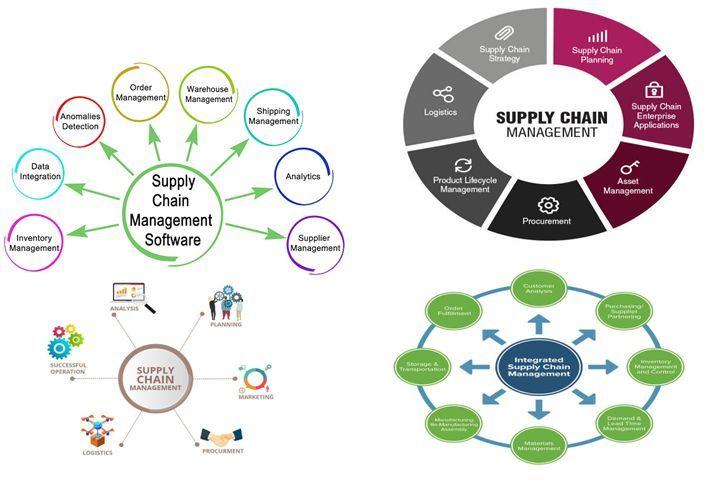
Operational transparency refers to the ability of organizations to access, share, and interpret relevant data about processes, performance, and transactions across business relationships. In b2b supply chain management, transparency ensures that all parties from manufacturers to retailers have visibility into inventory levels, delivery timelines, order status, and operational performance.
Without transparency, companies often face delayed shipments, inaccurate forecasts, communication gaps, and reduced trust between partners. Lack of visibility can also lead to duplicated efforts, excess inventory, or missed deadlines. When businesses operate blindly, even small disruptions can escalate into major operational problems that affect revenue and reputation.
The Role of Data Analytics in Business Collaboration
Data analytics is the process of collecting, processing, and analyzing information to uncover patterns, trends, and actionable insights. In modern business environments, analytics platforms transform raw operational data into meaningful intelligence that organizations can use to improve coordination with partners.
There are several types of analytics that contribute to transparency:
-
Descriptive analytics explains what has already happened.
-
Predictive analytics forecasts what is likely to happen.
-
Prescriptive analytics suggests what actions should be taken.
By combining these methods, companies gain a comprehensive understanding of operations and can align strategies with their partners more effectively.
Key Ways Analytics Enhances Visibility
Real-Time Tracking
Analytics tools connected to logistics systems allow companies to monitor shipments, inventory levels, and production status in real time. This eliminates guesswork and ensures all partners know exactly where goods are at any moment.
Supplier Performance Monitoring
Data dashboards can measure delivery times, defect rates, and fulfillment accuracy for each supplier. Businesses can quickly identify high-performing partners and address issues with underperforming ones.
Demand Forecasting
Predictive models analyze historical sales, seasonal trends, and market signals to anticipate demand. When companies share these insights, partners can prepare production and distribution schedules in advance.
Bottleneck Identification
Analytics platforms can pinpoint delays in workflows, whether they occur in manufacturing, transportation, or order processing. Early detection allows companies to resolve issues before they escalate.
Benefits of Improved Transparency Between Companies
When organizations share data insights and maintain clear visibility into operations, the benefits extend across every level of collaboration:
-
Stronger Trust: Transparent data sharing builds confidence among partners.
-
Faster Decision-Making: Real-time insights allow quicker responses to changes.
-
Reduced Costs: Accurate forecasts prevent overproduction and excess storage.
-
Better Risk Management: Early warnings help companies prepare for disruptions.
Transparency transforms relationships from transactional interactions into strategic partnerships focused on mutual success.
Technologies Enabling Data-Driven Transparency
Several modern technologies make analytics-powered visibility possible:
-
Cloud Platforms: Provide centralized access to shared operational data.
-
IoT Devices: Sensors track goods, machinery, and environmental conditions.
-
AI Dashboards: Present insights in easy-to-understand visual formats.
-
ERP Integrations: Connect finance, logistics, and operations into a unified system.
These technologies ensure that information flows seamlessly across organizations, eliminating data silos that once hindered collaboration.
Real-World Use Cases
Many industries already benefit from analytics-driven transparency. Manufacturers use shared dashboards to coordinate production schedules with suppliers. Retailers rely on real-time inventory insights from distributors to prevent stockouts. Logistics companies analyze route data to optimize delivery times and fuel efficiency.
In complex b2b supply chain management environments, these use cases demonstrate how shared analytics insights help businesses synchronize activities, reduce delays, and maintain consistent service levels. The result is a more resilient and responsive network of partners working toward common goals.
Challenges and Considerations
Despite its advantages, implementing analytics for transparency comes with challenges:
-
Data Security: Sharing information requires strong cybersecurity measures.
-
System Integration: Legacy software may not easily connect with modern tools.
-
Data Accuracy: Incorrect data can lead to flawed insights.
-
Adoption Barriers: Employees and partners may resist new technologies.
Addressing these concerns requires careful planning, clear policies, and ongoing training to ensure successful implementation.
Best Practices for Implementation
Organizations seeking to improve transparency through analytics should follow several best practices:
-
Establish clear data-sharing agreements with partners.
-
Select analytics platforms compatible with existing systems.
-
Define standardized metrics for performance evaluation.
-
Train teams to interpret and act on insights.
-
Continuously review and refine data processes.
These steps help businesses build a strong foundation for long-term collaboration and operational clarity.
Future Trends in Data-Driven Collaboration
The future of inter-company transparency will be shaped by emerging technologies. Predictive collaboration platforms will automatically adjust supply and production schedules based on shared forecasts. Blockchain systems will enable secure, tamper-proof data exchanges between partners. Autonomous supply networks may eventually use AI to coordinate logistics without manual intervention.
As these innovations mature, companies that adopt advanced analytics early will gain a competitive edge through faster responses, smarter decisions, and stronger partnerships.
Conclusion
Data analytics is redefining how companies collaborate by turning complex operational data into clear, actionable insights. With improved visibility into processes, performance, and demand patterns, organizations can strengthen relationships, reduce inefficiencies, and respond quickly to changes in the market. In a business landscape where coordination is essential, transparency powered by analytics is no longer optional it is a strategic necessity for sustainable growth and long-term success.

 English
 Arabic
 French
 Spanish
 Portuguese
 Deutsch
 Turkish
 Dutch
Dutch
 Russian
 Romaian
 Portuguese (Brazil)
 Tiếng Việt