


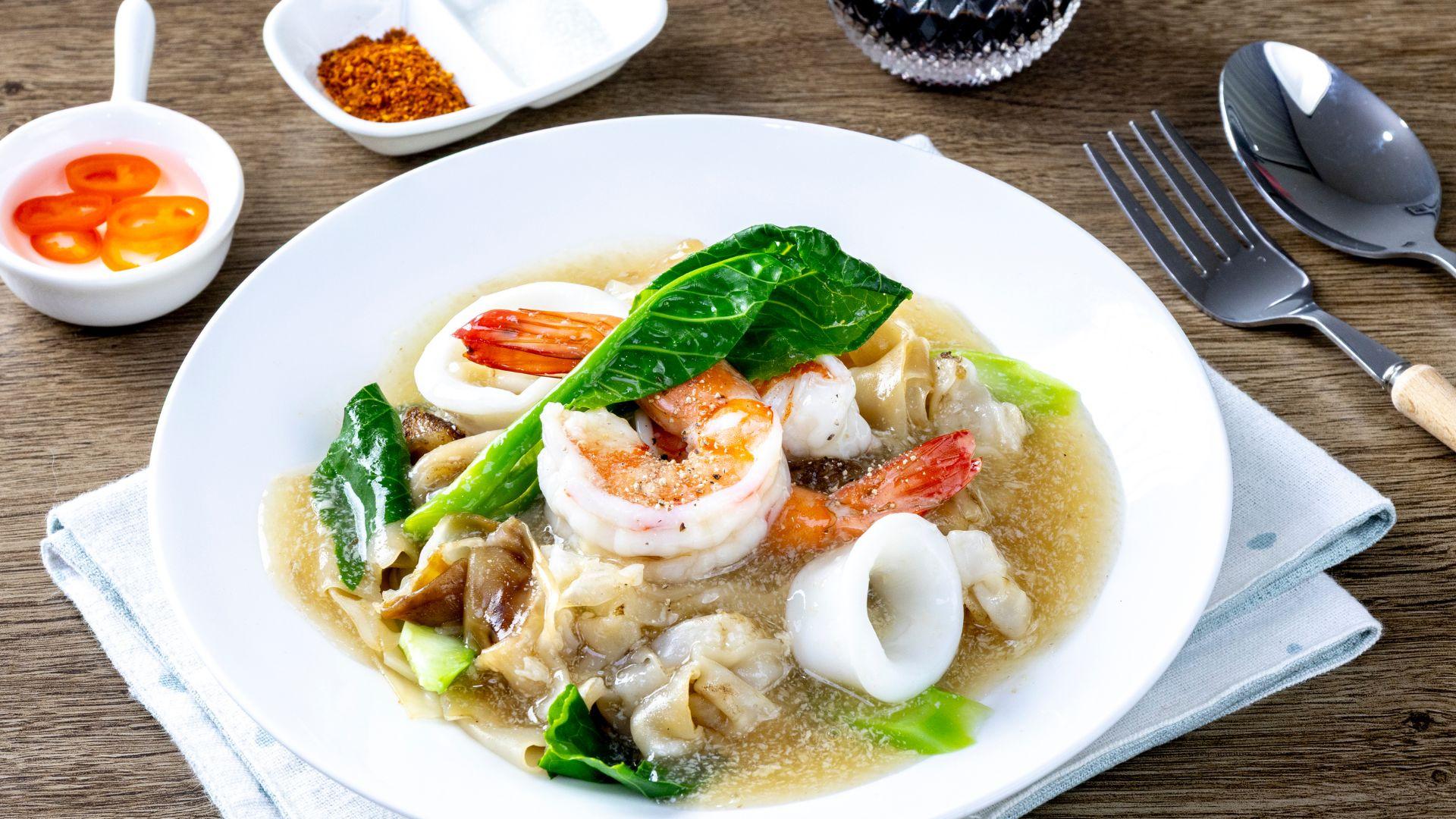
Halal Food Market Companies Analysis
The global halal food market is experiencing remarkable expansion, reflecting both demographic growth and rising demand for ethically sourced, hygienic, and certified food products. The market was valued at approximately US$ 2,671.87 billion in 2024 and is projected to reach around US$ 5,963.06 billion by 2033, growing at a strong CAGR of 9.33% between 2025 and 2033.
This growth trajectory highlights halal food’s transformation from a niche religious category into a mainstream global industry serving both Muslim and non-Muslim consumers worldwide.
Global Halal Food Market Overview
Halal food refers to products that comply with Islamic dietary laws outlined in the Quran. The term “halal” means “permissible.” Halal-certified foods exclude prohibited ingredients such as pork and alcohol, and meat must be slaughtered according to prescribed humane and hygienic guidelines.
Beyond religious compliance, halal food emphasizes:
· Ethical sourcing
· Clean-label ingredients
· Strict hygiene standards
· Transparent certification processes
The market spans meat, dairy, beverages, processed foods, frozen items, ready-to-eat meals, snacks, and even plant-based alternatives.
Growth drivers include:
· Expanding global Muslim population
· Increased awareness of halal certification
· Rising demand for safe and ethically sourced food
· Urbanization and lifestyle changes
· Growth of international trade and e-commerce
Halal food has become a global category, supported by regulatory frameworks and government-backed certification systems in both Muslim-majority and non-Muslim countries.
Download Free Sample Report:https://www.renub.com/request-sample-page.php?gturl=halal-food-market-competitor-analysis-p.php
Top Companies in the Halal Food Industry
JBS SA
Established: 1953
Headquarters: São Paulo, Brazil
JBS is one of the world’s largest food processing companies, producing beef, poultry, pork, and lamb products. It also manufactures leather, biodiesel, collagen, and hygiene products.
The company operates globally across the Americas, Europe, Asia, Africa, and the Middle East. Through multiple brands and production facilities, JBS supplies halal-certified meat products to key international markets.
Kawan Food Berhad
Established: 1970
Headquarters: Klang, Selangor, Malaysia
Kawan Food Berhad is Malaysia’s leading manufacturer and exporter of frozen Asian halal foods. The company emphasizes quality, innovation, and authenticity in its product offerings.
With strong export capabilities, Kawan Food has positioned itself as a reliable supplier of halal-certified frozen food products to global markets.
Cargill Inc.
Established: 1865
Headquarters: United States
Cargill operates across agribusiness, food processing, financial services, and risk management. It processes and distributes meat, grains, oilseeds, sugar, and other food ingredients.
The company supports halal supply chains through responsible sourcing, logistics services, and global distribution networks. Cargill’s diversified portfolio strengthens its role in the halal meat and ingredient markets.
Carrefour SA
Established: 1959
Headquarters: France
Carrefour is a global retail leader operating supermarkets, hypermarkets, convenience stores, and e-commerce platforms. It provides a wide range of halal-certified products, particularly in Europe and the Middle East.
Its omnichannel retail model enables strong market penetration and accessibility of halal food to diverse consumer segments.
Crescent Foods Inc.
Established: 1995
Headquarters: United States
Crescent Foods specializes in premium all-natural halal poultry and beef products. The company supplies retail chains, restaurants, institutions, and foodservice establishments.
Its focus on antibiotic-free, hormone-free, and grass-fed meat aligns with consumer demand for ethical and clean-label products.
SWOT Analysis Highlights
American Foods Group LLC
Strength – Strong Operational Infrastructure
American Foods Group operates multiple processing facilities across the United States, enabling daily processing of over 5 million pounds of beef. Its strategic plant locations enhance distribution efficiency and production flexibility.
Opportunity – Plant-Based Protein Expansion
Rising consumer demand for plant-based and sustainable protein alternatives presents a diversification opportunity. Leveraging existing processing and distribution expertise can open new revenue channels and strengthen competitiveness.
Sustainability Analysis in the Halal Food Market
Nestle SA
Nestlé has made significant sustainability advancements:
· 13.5% reduction in greenhouse gas emissions (2023 vs. 2018 baseline)
· 15.3% reduction in methane emissions
· 91.9% of electricity sourced from renewable energy
· Commitment to net-zero emissions by 2050
The company also invests heavily in sustainable sourcing, recyclable packaging, and water conservation initiatives, reinforcing its leadership in responsible food production.
BRF SA
BRF has committed to achieving net-zero greenhouse gas emissions by 2040. Key sustainability initiatives include:
· 50% renewable energy usage by 2030
· Deforestation-free grain sourcing by 2025
· Investments in solar energy projects
· Launch of carbon-neutral product lines
These measures align halal production with global environmental standards.
Recent Developments in the Halal Food Industry
· Unilever established a Halal Research Center in Indonesia in February 2025 to strengthen innovation in halal-certified food products.
· American Halal Company Inc., through its Saffron Road brand, launched four new halal-certified frozen meals in June 2024, including Korean Fire-Roasted Chicken and Vegetable Bibimbap. All products were confirmed gluten-free and halal-certified.
These developments illustrate growing corporate investment in halal innovation and product diversification.
Company Analysis Framework
The Halal Food Market report includes:
Market & Forecast Evaluation
· Historical trends
· Forecast analysis
· Market share assessment
Company-Level Analysis
· Overview & mission
· Business model & operations
· Workforce & leadership
· Strategic initiatives & investments
Sustainability Assessment
· Renewable energy adoption
· Sustainable packaging use
· Water conservation strategies
· Circular economy initiatives
Product & Strategic Review
· Product portfolio
· Certification standards
· Pipeline innovation
· SWOT analysis
· Revenue evaluation
Companies Covered in Detailed Analysis
· JBS SA
· BRF SA
· Kawan Food Berhad
· Cargill Inc.
· Carrefour SA
· Crescent Foods Inc.
· VegaVites
· American Halal Company Inc.
· American Foods Group LLC
· Al Islami Foods
· Unilever
· QL Foods
· DagangHalal Group
· Tahira Foods Ltd.
Final Thoughts
The halal food market is evolving into one of the most dynamic and rapidly expanding segments of the global food industry. With a projected market value nearing US$ 5.96 trillion by 2033, the sector reflects strong demographic, ethical, and health-driven demand.
Leading companies are focusing on sustainability, innovation, certification transparency, and global distribution to capture growth opportunities. As halal principles increasingly align with broader consumer preferences for ethical sourcing and food safety, the industry’s expansion is likely to accelerate further.
Halal food is no longer limited to religious compliance—it represents a global standard for quality, hygiene, and responsible consumption.

 Arabic
 French
 Spanish
 Portuguese
 Deutsch
 Turkish
 Dutch
Dutch
 Italiano
 Russian
 Romaian
 Portuguese (Brazil)
 Tiếng Việt