


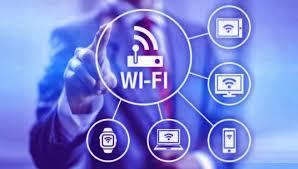
Wireless testing is a critical process used to evaluate the performance, reliability, security, and regulatory compliance of wireless devices and networks. From smartphones, IoT sensors, and medical devices to automotive systems and industrial equipment, wireless technologies power modern connectivity. Proper wireless testing ensures these devices function correctly in real-world environments, meet international standards, and deliver a seamless user experience.
What Is Wireless Testing?
Wireless testing refers to a set of validation and verification activities performed on devices that communicate using radio frequency (RF) technologies. These tests assess how well a device transmits and receives signals, how it behaves under interference, and whether it complies with regional and global regulatory requirements. Wireless testing covers multiple technologies, including Wi‑Fi, Bluetooth, Zigbee, LTE, 5G, NFC, LoRaWAN, and other proprietary RF protocols.
The goal is to identify performance issues, design flaws, or compliance risks early in the product lifecycle—before deployment or mass production.
Why Wireless Testing Is Important
As wireless environments become more crowded and complex, testing is no longer optional. Key reasons wireless testing is essential include:
-
Performance Assurance: Ensures stable connectivity, adequate range, throughput, and low latency.
-
Regulatory Compliance: Confirms adherence to standards set by authorities such as the FCC, CE, ETSI, and others.
-
Interoperability: Verifies that devices work seamlessly with other products and networks.
-
Reliability and Quality: Detects issues caused by interference, noise, or environmental conditions.
-
Security Validation: Identifies vulnerabilities in wireless communication that could be exploited.
Without comprehensive testing, devices risk failing certification, suffering field failures, or delivering poor user experiences.
Types of Wireless Testing
Wireless testing is typically divided into several key categories, each focusing on a specific aspect of device behavior.
1. RF (Radio Frequency) Testing
RF testing measures the fundamental characteristics of a device’s radio, including transmit power, frequency accuracy, modulation quality, receiver sensitivity, and spurious emissions. These tests ensure that the device operates within defined limits and does not interfere with other devices.
2. Protocol and Functional Testing
This type of testing validates that the device correctly implements the wireless protocol stack. It checks connection establishment, data transfer, handshaking, roaming, and error handling. Functional testing ensures the device behaves as expected under normal and edge-case scenarios.
3. Performance Testing
Performance testing evaluates real-world metrics such as data throughput, latency, packet loss, and coverage range. Tests are often conducted in controlled lab environments and in the field to simulate realistic operating conditions.
4. Interoperability Testing
Interoperability testing confirms that a wireless device can communicate effectively with equipment from different manufacturers. This is especially important for technologies like Wi‑Fi and Bluetooth, where devices must coexist in diverse ecosystems.
5. Regulatory and Compliance Testing
Compliance testing ensures that wireless devices meet regional regulatory requirements. These tests are mandatory for market access and include RF exposure (SAR), emissions, and spectrum usage limits.
6. Security Testing
Wireless security testing evaluates encryption, authentication, and resistance to common attacks such as eavesdropping, spoofing, and denial-of-service attempts. With the growth of IoT and connected devices, security testing has become increasingly critical.
Common Wireless Technologies Tested
Wireless testing applies to a wide range of technologies, including:
-
Wi‑Fi (802.11 a/b/g/n/ac/ax): Testing for throughput, roaming, coexistence, and security.
-
Bluetooth and BLE: Validation of pairing, power consumption, range, and interoperability.
-
Cellular (LTE, 4G, 5G): Network performance, handover, and carrier compliance testing.
-
IoT Protocols: Zigbee, Z‑Wave, LoRaWAN, and NB‑IoT testing for low power and long-range reliability.
-
NFC and RFID: Short-range communication accuracy and security.
Each technology has unique requirements, making specialized testing tools and expertise essential.
Wireless Testing Environments
Testing is performed in different environments to ensure accuracy and repeatability:
-
Anechoic Chambers: Shielded rooms that eliminate external RF interference for precise measurements.
-
Conducted Testing Setups: Direct cable connections used for repeatable RF measurements.
-
Over-the-Air (OTA) Testing: Evaluates device performance using antennas, simulating real-world usage.
-
Field Testing: Real-environment testing to validate lab results and assess performance under actual conditions.
Challenges in Wireless Testing
Wireless testing presents several challenges, including:
-
Increasing RF Congestion: More devices operating in shared spectrum increase interference risks.
-
Complex Standards: Rapidly evolving wireless standards require continuous updates to test methods.
-
Miniaturization: Smaller devices with compact antennas are harder to test accurately.
-
Global Compliance: Different regions have varying regulatory requirements.
Addressing these challenges requires advanced test equipment, skilled engineers, and robust testing strategies.
Best Practices for Effective Wireless Testing
To achieve reliable results, organizations should follow best practices such as:
-
Integrating testing early in the design phase
-
Using both lab and field testing approaches
-
Automating test cases where possible
-
Keeping test plans aligned with current standards
-
Partnering with accredited test laboratories for certification
Conclusion
Wireless testing is a foundational step in delivering high-quality, compliant, and reliable wireless products. As connectivity continues to expand across industries, thorough testing ensures devices perform optimally, coexist peacefully in crowded RF environments, and meet strict regulatory requirements. Investing in comprehensive wireless testing not only reduces time-to-market and certification risks but also builds user trust and long-term product success.

 English
 Arabic
 French
 Spanish
 Portuguese
 Deutsch
 Turkish
 Dutch
Dutch
 Italiano
 Russian
 Romaian
 Portuguese (Brazil)