


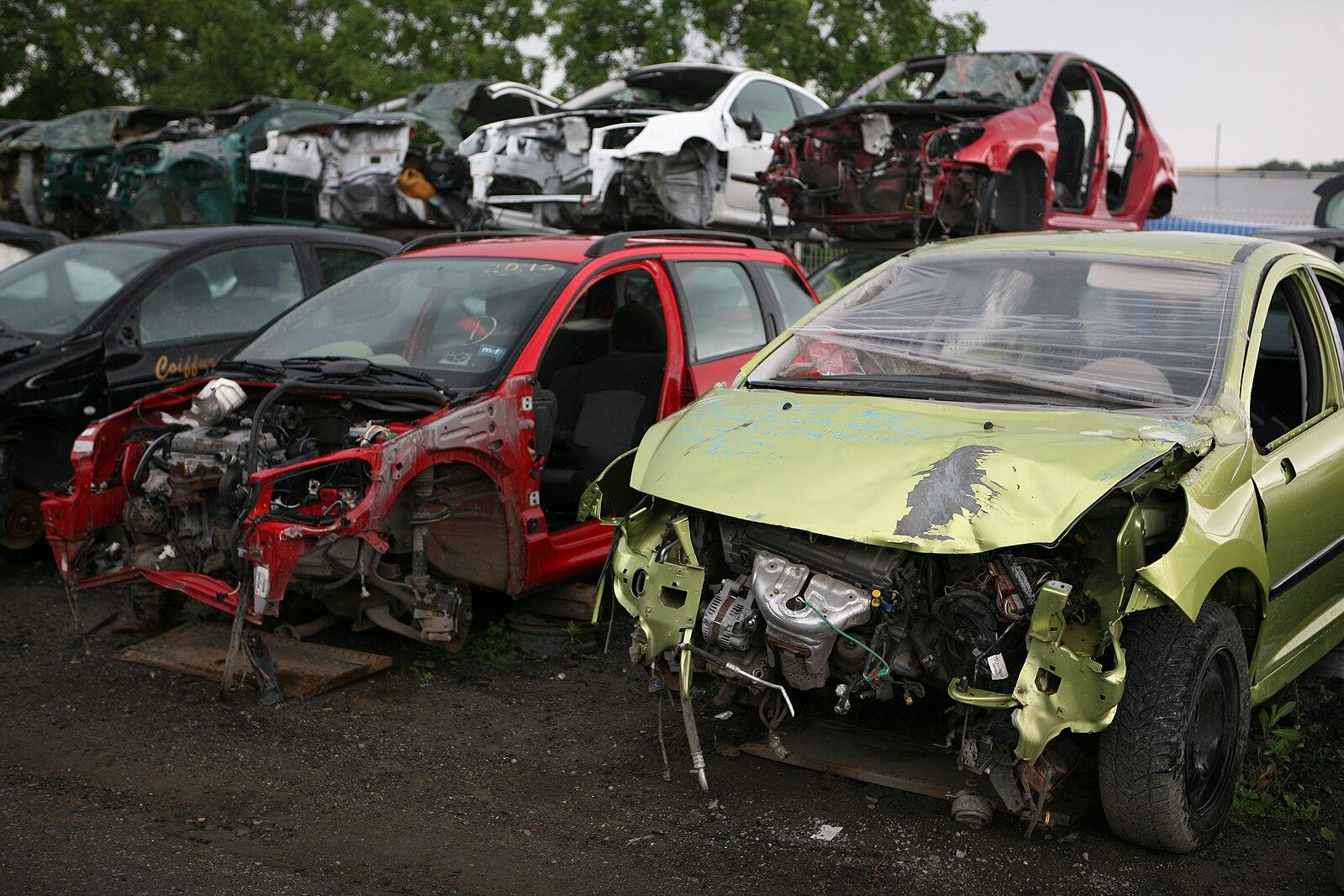
Australia has millions of vehicles on the road. Each year, many of them reach the end of their working life. Some stop running. Others become unsafe or too costly to repair. When this happens, owners often think the vehicle has no further use. That belief is not correct.
Automotive recycling plays a key role in material reuse across Australia. Old vehicles do not simply disappear. They move through a clear process where metals, parts, and fluids are recovered and reused. This cycle reduces waste, limits raw material demand, and supports local industries.
This article explains how automotive recycling supports material reuse in Australia, step by step, using clear and practical examples from daily life.
What Automotive Recycling Means in Real Terms
Automotive recycling refers to the controlled process of taking an end-of-life vehicle apart and sorting its materials for reuse, reprocessing, or safe disposal. This process takes place after a vehicle is no longer used on the road.
A typical passenger vehicle contains:
-
Steel and iron
-
Aluminium
-
Copper wiring
-
Plastic parts
-
Rubber components
-
Glass
-
Fluids such as oil and coolant
When handled correctly, a large portion of these materials can re-enter the supply chain.
According to industry studies in Australia, over 80 percent of a standard vehicle by weight can be reused or recycled. This makes vehicles one of the most recycled consumer products in the country.
Why Material Reuse Matters in Australia
Australia relies heavily on mining and imports for raw materials. Mining requires land use, water, and energy. Transporting raw materials also adds cost and emissions.
Material reuse through automotive recycling helps reduce:
-
Demand for newly mined metals
-
Energy use during manufacturing
-
Waste sent to landfill
Steel recovered from old vehicles can be reused many times without losing strength. Aluminium recycling uses far less energy than producing aluminium from raw ore. Copper wiring from vehicles often returns to electrical manufacturing.
These reuse cycles help keep material use balanced.
The Journey of an Old Vehicle After Collection
Once a vehicle leaves the road, it follows a set path.
Step One: Initial Inspection
The vehicle is inspected to identify reusable parts and hazardous materials. Items such as batteries, fuel, and oils are identified early.
Step Two: Fluid Removal
Fluids are drained and stored separately. This includes:
-
Engine oil
-
Brake fluid
-
Transmission fluid
-
Coolant
These fluids are either treated or reused where allowed under Australian regulations.
Step Three: Parts Removal
Usable parts are removed. These can include:
-
Engines
-
Gearboxes
-
Doors
-
Alternators
-
Seats
-
Wheels
These parts help keep other vehicles running and reduce the need for new manufacturing.
Step Four: Material Separation
After parts removal, the remaining vehicle shell is processed. Metals are separated using magnets and sorting methods. Plastics and rubber are also separated where possible.
How Metal Recycling Supports Australian Industry
Metal is the most valuable material recovered from vehicles.
Steel and Iron
Most vehicle frames contain steel. Recycled steel is used in:
-
Construction
-
Manufacturing tools
-
New vehicle components
Steel recycling uses significantly less energy compared to producing steel from raw iron ore.
Aluminium
Aluminium parts include:
-
Engine blocks
-
Wheels
-
Panels
Recycled aluminium is used in:
-
Automotive manufacturing
-
Building materials
-
Packaging
This reuse supports both cost control and material supply stability.
Plastic and Rubber Reuse from Vehicles
Vehicles contain many plastic parts, including dashboards, trims, and bumpers. Rubber is found in tyres, hoses, and seals.
Recycled plastics may be used in:
-
Construction products
-
Automotive components
-
Industrial packaging
Rubber from tyres is often processed into:
-
Road base material
-
Playground surfaces
-
Sports grounds
These reuse paths reduce landfill pressure.
Glass Recovery and Reuse
Vehicle glass includes windscreens and windows. While not all glass can be reused directly, it can be crushed and used in:
-
Construction materials
-
Insulation products
-
Road base mixtures
Glass recycling helps reduce raw sand extraction.
Environmental Impact of Automotive Recycling
Automotive recycling reduces environmental strain in several ways.
-
Less landfill waste
-
Lower mining activity
-
Reduced manufacturing emissions
-
Controlled handling of harmful fluids
Each recycled vehicle supports a wider system that reduces waste across multiple industries.
In urban areas, this impact becomes more visible as landfill space becomes limited.
Material Reuse in Everyday Life
Material reuse from automotive recycling touches daily life more than many people realise.
Examples include:
-
Recycled steel used in home construction
-
Aluminium reused in household products
-
Rubber used in local road surfaces
-
Plastic parts reused in tools and fittings
Each time recycled material is used, it reduces demand for new extraction.
Automotive Recycling and Local Communities
Automotive recycling supports local employment. Sorting, dismantling, and processing vehicles requires skilled labour. This work supports small and medium operations across Australia.
It also helps local councils manage waste volumes more effectively.
A Practical Option for Vehicle Owners in Wollongong
For vehicle owners who no longer use an old car, removal and recycling can help material reuse continue. One local option that aligns with this process is scrap car removal wollongong, where unused vehicles are collected and directed into recycling streams instead of sitting unused or being dumped.
This approach connects private vehicle owners with the wider recycling system, helping materials return to productive use rather than becoming waste.
Sustainability depends on repeated reuse. Vehicles are not single-use items. Their materials continue working long after the engine stops.
Automotive recycling:
-
Keeps metals in circulation
-
Reduces reliance on imports
-
Supports local manufacturing inputs
-
Limits environmental damage
This cycle strengthens resource management across Australia.
Common Myths About Automotive Recycling
Myth One: Old Cars Have No Worth
Most vehicles still contain valuable materials even if they no longer run.
Myth Two: Recycling Only Helps Scrap Yards
Recycling supports construction, manufacturing, and infrastructure.
Myth Three: Recycling Has Little Impact
Material reuse from vehicles plays a large role in waste reduction nationally.
The Future of Automotive Recycling in Australia
As electric vehicles become more common, recycling systems will expand to handle batteries and new materials. This will increase the role of recycling in resource planning.
Australia continues to refine recycling standards to improve recovery rates and material quality.
Final Thoughts
Automotive recycling plays a vital role in material reuse across Australia. Old vehicles support new products, safer waste handling, and reduced strain on natural resources.
Every vehicle recycled adds to a system that keeps materials moving instead of wasting them. For owners, this process offers a responsible way to close the chapter on an old car while supporting broader environmental and industrial goals.

 English
 Arabic
 French
 Spanish
 Deutsch
 Turkish
 Dutch
Dutch
 Italiano
 Russian
 Romaian
 Portuguese (Brazil)
 Tiếng Việt