


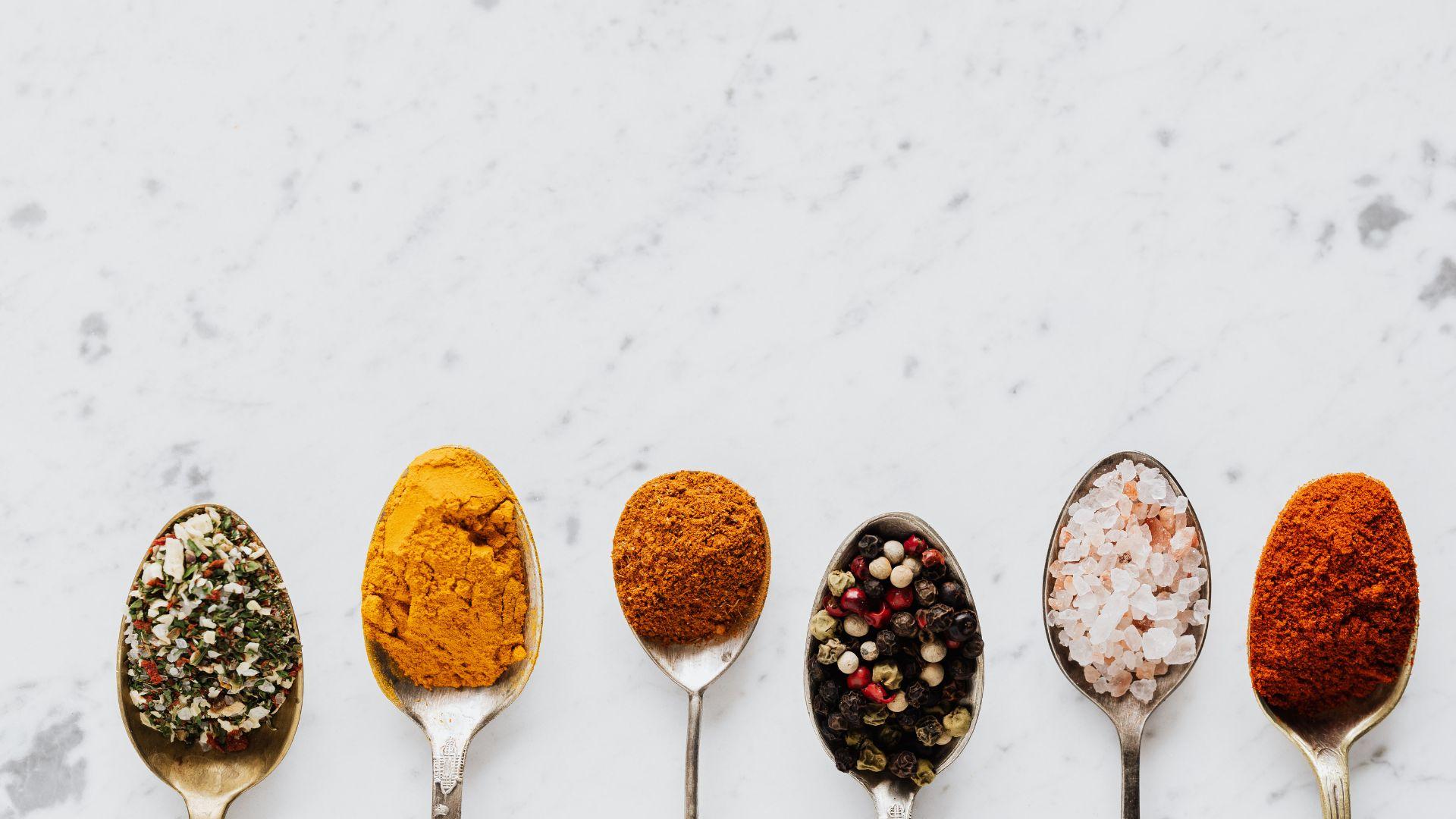
US Spice Market Set to Hit $15.8 Billion by 2033 Amid Rising Demand
The United States spice market is entering a new era of growth, fueled by evolving consumer tastes, health awareness, and a deepening appreciation for global cuisines. According to Renub Research, the market is expected to expand from US$ 9.19 billion in 2024 to US$ 15.8 billion by 2033, registering a compound annual growth rate (CAGR) of 6.21% during the forecast period from 2025 to 2033.
This steady upward trajectory reflects not only the increasing use of spices in everyday cooking but also their growing role in wellness, sustainability, and premium food experiences.
Download Free Sample Report:https://www.renub.com/request-sample-page.php?gturl=united-states-spice-market-p.php
A Flavorful Industry Rooted in Tradition and Innovation
Spices, derived from seeds, fruits, bark, roots, and leaves, have long been essential to culinary traditions worldwide. In the United States, their role has evolved significantly—from simple flavor enhancers to multifunctional ingredients that contribute to nutrition, preservation, and even therapeutic benefits.
Modern consumers are no longer satisfied with basic seasoning. Instead, they seek depth, authenticity, and creativity in their meals. This shift has transformed spices into a cornerstone of the food and beverage industry, influencing everything from packaged foods to gourmet dining experiences.
Additionally, spices are valued for their antioxidant and anti-inflammatory properties. Ingredients such as turmeric, ginger, cinnamon, and garlic are increasingly being recognized not just for flavor but also for their potential health benefits, further boosting their demand.
Market Size and Forecast Highlight Strong Growth
Renub Research’s projections underscore the robust outlook of the U.S. spice market. The anticipated growth to US$ 15.8 billion by 2033 highlights the sector’s resilience and adaptability in a rapidly changing food landscape.
Several macro and microeconomic factors are contributing to this expansion. These include demographic shifts, rising disposable incomes, and a growing inclination toward premium and organic products. The increasing penetration of international cuisines into mainstream American diets is also playing a pivotal role.
The market’s growth is further supported by innovations in product formats, including spice blends, pastes, and ready-to-use seasonings that cater to convenience-driven consumers.
Multicultural Influence Reshaping American Kitchens
One of the most significant drivers of the U.S. spice market is the country’s cultural diversity. As immigrant populations grow and global travel becomes more accessible, American consumers are increasingly exposed to international cuisines.
Asian, Latin American, and Mediterranean flavors have become particularly influential. Spices such as cumin, paprika, chili, and coriander are now staples in many households. This cultural exchange has not only broadened culinary horizons but also encouraged experimentation in home kitchens.
Restaurants, meal kit services, and food influencers have amplified this trend by introducing consumers to new recipes and flavor combinations. Social media platforms, in particular, have played a crucial role in popularizing global dishes and driving demand for authentic spices.
Health Consciousness Driving Natural Ingredient Demand
Health awareness is another powerful force shaping the spice market. Consumers are increasingly prioritizing clean-label products that are free from artificial additives and preservatives.
Spices naturally align with this preference, offering flavor enhancement without compromising health. Many are associated with immune-boosting and digestive benefits, making them attractive to wellness-focused consumers.
The rise of functional foods and beverages has further expanded the role of spices beyond traditional cooking. From turmeric lattes to ginger-infused drinks, spices are becoming integral to health-oriented product innovation.
Food manufacturers and restaurants are responding by incorporating spices into healthier menu options, reinforcing their dual role as flavor enhancers and wellness ingredients.
E-commerce Revolution Expands Market Reach
The digital transformation of retail has significantly impacted the spice market. E-commerce platforms have made it easier for consumers to access a wide variety of spices, including rare and exotic options that are not typically available in physical stores.
Online marketplaces, subscription services, and curated spice kits have gained popularity among home cooks seeking convenience and inspiration. These platforms also enable brands to reach a broader audience and gather valuable consumer insights.
Innovative packaging and labeling strategies, often emphasizing organic, sustainable, and ethically sourced products, are further enhancing consumer appeal. The ability to compare products and read reviews online has also contributed to increased consumer confidence and repeat purchases.
Sustainability and Ethical Sourcing Gain Importance
As consumers become more conscious of environmental and social issues, the demand for sustainably sourced spices is on the rise. Ethical sourcing practices, fair trade certifications, and eco-friendly packaging are increasingly influencing purchasing decisions.
Manufacturers are responding by adopting transparent supply chains and investing in sustainable farming practices. These efforts not only address consumer concerns but also help build brand loyalty in a competitive market.
However, maintaining sustainability while ensuring affordability remains a challenge, particularly in a market heavily dependent on imports.
Challenges: Supply Chain and Quality Concerns
Despite its strong growth prospects, the U.S. spice market faces several challenges. One of the most significant is supply chain disruption. Since many spices are imported from regions such as Asia, Africa, and Latin America, the market is vulnerable to geopolitical tensions, climate change, and logistical issues.
Fluctuations in raw material prices and inconsistent supply can impact production costs and profit margins. Companies are exploring strategies such as diversifying suppliers and investing in digital supply chain management to mitigate these risks.
Quality control is another critical concern. Instances of adulteration and contamination have raised questions about product authenticity and safety. Ensuring consistent quality requires rigorous testing and compliance with regulatory standards, which can increase operational costs.
To address these issues, industry players are adopting advanced technologies, including blockchain for traceability and third-party certifications for quality assurance.
Regional Insights: Key States Driving Demand
The demand for spices varies across the United States, influenced by regional cuisines and demographic diversity. States such as California, Texas, New York, and Florida are leading markets due to their multicultural populations and vibrant food scenes.
California stands out for its health-conscious consumers and emphasis on organic products. Texas, with its rich culinary heritage, drives demand for bold and flavorful spices. New York’s cosmopolitan environment fosters a strong appetite for international cuisines, while Florida’s diverse population and tourism industry contribute to its dynamic spice market.
These regional variations highlight the importance of tailored marketing strategies and localized product offerings.
Industry Developments and Competitive Landscape
The U.S. spice market is highly competitive, with both established players and emerging brands vying for market share. Companies are focusing on product innovation, strategic acquisitions, and sustainability initiatives to stay ahead.
For instance, McCormick & Company expanded its premium offerings through the acquisition of Spice Tribe in April 2024. Similarly, The Kraft Heinz Company introduced a line of organic spices in 2023, emphasizing clean-label ingredients and sustainability.
Other notable players include Ajinomoto Co. Inc., Kerry Group plc, and Olam International, all of which are investing in innovation and global expansion.
These developments reflect a broader trend toward premiumization and differentiation in the spice market.
Product Segmentation and Applications
The market is segmented into pure spices and blended spices, each catering to different consumer needs. Pure spices such as turmeric, cumin, and pepper remain popular for their authenticity and versatility. Blended spices, on the other hand, offer convenience and consistency, making them ideal for busy consumers.
In terms of applications, spices are widely used in meat and poultry products, bakery and confectionery, frozen foods, and snacks. The growing demand for ready-to-eat and convenience foods has further expanded their usage.
Different forms, including powder, whole, crushed, and chopped, provide flexibility in cooking and product development.
The Future of Flavor: Innovation and Opportunity
Looking ahead, the U.S. spice market is poised for continued growth and innovation. Emerging trends such as plant-based diets, personalized nutrition, and global flavor fusion are expected to create new opportunities.
Technological advancements, including data analytics and artificial intelligence, will enable companies to better understand consumer preferences and develop targeted products. Sustainability and transparency will remain key priorities, shaping the future of the industry.
As consumers continue to explore new flavors and prioritize health and sustainability, the role of spices in the American diet is set to become even more significant.
Final Thoughts
The U.S. spice market is more than just a segment of the food industry—it is a reflection of cultural diversity, evolving consumer preferences, and the pursuit of better health and sustainability. With a projected value of US$ 15.8 billion by 2033, the market offers significant opportunities for innovation and growth.
While challenges such as supply chain disruptions and quality concerns persist, the industry’s ability to adapt and innovate positions it for long-term success. As global flavors continue to influence American kitchens, spices will remain at the heart of culinary creativity and consumer demand.

 English
 Arabic
 French
 Portuguese
 Deutsch
 Turkish
 Dutch
Dutch
 Italiano
 Russian
 Romaian
 Portuguese (Brazil)
 Tiếng Việt