


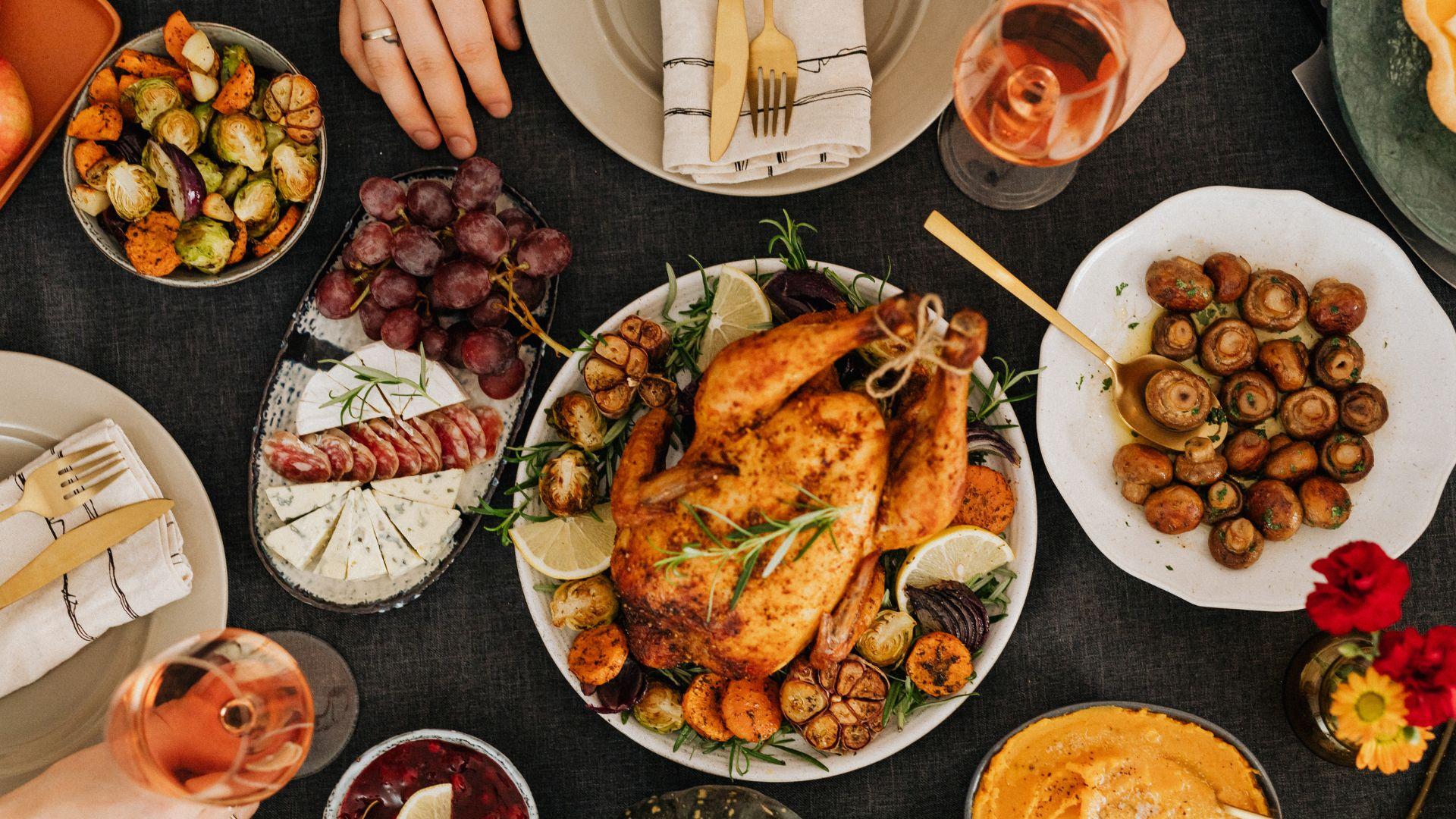
Global Halal Food Market Poised for Rapid Expansion Worldwide
The global halal food market is entering a phase of accelerated growth, fueled by demographic shifts, evolving consumer preferences, and increasing global awareness of ethical and hygienic food standards. According to Renub Research, the market is projected to expand from US$ 2,890.96 billion in 2025 to US$ 6,391.82 billion by 2034, registering a robust CAGR of 9.14% from 2026 to 2034 .
This remarkable growth highlights the rising importance of halal-certified food not only among Muslim consumers but also among a broader global audience seeking quality, transparency, and ethical sourcing in food production.
Download Free Sample Report:https://www.renub.com/request-sample-page.php?gturl=halal-food-market-p.php
Understanding Halal Food: Beyond Religious Compliance
Halal food refers to products that are prepared and processed in accordance with Islamic dietary laws as outlined in the Quran. The term “halal,” meaning “permissible,” governs various aspects of food production, including:
- Ingredient sourcing
- Slaughtering methods for meat
- Hygiene and handling practices
- Avoidance of prohibited substances such as pork and alcohol
Halal certification ensures compliance with these standards, offering assurance to consumers regarding product authenticity and quality.
Importantly, halal food has evolved beyond its religious roots to become a symbol of high-quality, safe, and ethically produced food, gaining acceptance across diverse consumer groups globally.
Key Growth Drivers Shaping the Halal Food Market
1. Expanding Global Muslim Population
One of the most significant drivers of the halal food market is the rapid growth of the global Muslim population. With projections indicating an increase from approximately 1.6 billion in 2010 to nearly 2.8 billion by 2050, demand for halal-certified food is set to rise substantially.
Urbanization and rising income levels among Muslim consumers are further contributing to increased consumption of:
- Packaged and processed foods
- Ready-to-eat meals
- Beverages and snacks
This expanding consumer base is encouraging manufacturers and retailers to diversify and scale their halal product offerings .
2. Rising Acceptance Among Non-Muslim Consumers
Halal food is gaining traction among non-Muslim consumers due to its association with:
- High hygiene standards
- Ethical sourcing
- Strict quality controls
In markets such as North America, Europe, and Asia-Pacific, halal certification is increasingly viewed as a mark of quality assurance rather than solely a religious requirement. Surveys indicate that a significant percentage of non-Muslim consumers have tried halal products, reflecting growing mainstream acceptance.
This trend is encouraging global food brands and restaurants to incorporate halal-certified options into their portfolios, further expanding market reach.
3. Expansion of Certification and Global Supply Chains
The development of standardized halal certification systems and improved global distribution networks is playing a crucial role in market growth.
Key developments include:
- Expansion of halal certification bodies
- Investment in halal logistics and supply chains
- Growth of e-commerce and modern retail channels
These advancements are enabling manufacturers to access international markets more efficiently while building consumer trust through transparent certification processes.
Challenges Impacting Market Growth
Lack of Unified Global Standards
One of the major challenges in the halal food industry is the absence of a unified global standard for halal certification. Variations in certification requirements across countries create complexities for manufacturers and exporters.
This leads to:
- Increased compliance costs
- Trade barriers
- Operational inefficiencies
Supply Chain Integrity and Contamination Risks
Maintaining halal integrity throughout the supply chain is critical. Cross-contamination with non-halal substances during processing, storage, or transportation can compromise product authenticity.
Ensuring strict segregation and traceability requires significant investment in monitoring systems and infrastructure, posing challenges for industry players.
Segment Analysis: Key Market Categories
Halal Meat Market
The halal meat segment represents the largest share of the market. Demand is driven by:
- Rising meat consumption
- Increased awareness of halal certification
- Perception of higher hygiene and quality
Products include poultry, beef, lamb, and processed meat, with strong demand across both Muslim-majority and non-Muslim regions.
Halal Fruits and Vegetables
While inherently halal, fruits and vegetables are increasingly being certified to ensure compliance during processing and packaging. This segment is gaining importance in export markets and foodservice applications.
Halal Confectionery
Halal-certified confectionery products such as chocolates, candies, and desserts are witnessing strong growth. Consumers are increasingly aware of ingredients like gelatin and emulsifiers, driving demand for certified products.
Halal Convenience Stores
Halal convenience stores are expanding rapidly in urban areas, offering ready-to-eat meals and essential products. These stores cater to busy consumers seeking quick and reliable halal food options.
Hypermarkets and Supermarkets
Large retail chains are playing a vital role in halal food distribution. Dedicated halal sections in supermarkets are improving accessibility and consumer trust, particularly in non-Muslim-majority regions.
Regional Insights: Global Market Trends
United States
The U.S. halal food market is growing steadily, supported by a diverse population and increasing consumer awareness. Supermarkets and restaurants are expanding halal offerings, while e-commerce platforms enhance accessibility.
United Kingdom
The UK is one of the most developed halal markets in Europe, with strong infrastructure and high demand for halal meat and processed foods. Non-Muslim consumers are also contributing to market growth.
India
India plays a dual role as both a major consumer and exporter of halal food products. The country’s large Muslim population and strong food processing industry support domestic and international demand.
Saudi Arabia
Saudi Arabia remains a key hub for halal food consumption and production. Government regulations ensure strict adherence to halal standards, while investments in food production and logistics strengthen the market.
Competitive Landscape: Leading Industry Players
The halal food market is highly competitive, with global companies expanding their halal product portfolios. Key players include:
- Nestlé SA
- JBS SA
- BRF SA
- Cargill Inc.
- Carrefour SA
- American Halal Company Inc.
- Al Islami Foods
These companies are focusing on product innovation, certification compliance, and global expansion to capture market share.
Future Outlook: A High-Growth Global Opportunity
The halal food market is expected to witness sustained growth, driven by:
- Increasing global demand for ethical and safe food
- Expansion of halal-certified product categories
- Growth of digital retail and e-commerce platforms
- Rising investment in halal infrastructure
As consumer preferences shift toward transparency and sustainability, halal food is well-positioned to become a mainstream global standard.
Final Thoughts
The global halal food market is undergoing a transformative phase, supported by strong demographic trends and evolving consumer expectations. As highlighted by Renub Research, the market’s projected growth to US$ 6.39 trillion by 2034 underscores its immense potential and global relevance .
While challenges such as standardization and supply chain integrity remain, the industry’s rapid innovation and expanding reach provide a strong foundation for future growth. Companies that prioritize certification, quality, and consumer trust will be best positioned to succeed in this evolving landscape.
In a world increasingly focused on ethical consumption and food safety, halal food is not just a niche market—it is becoming a global benchmark for quality and sustainability.

 English
 Arabic
 French
 Spanish
 Portuguese
 Deutsch
 Turkish
 Dutch
Dutch
 Italiano
 Russian
 Romaian
 Portuguese (Brazil)