


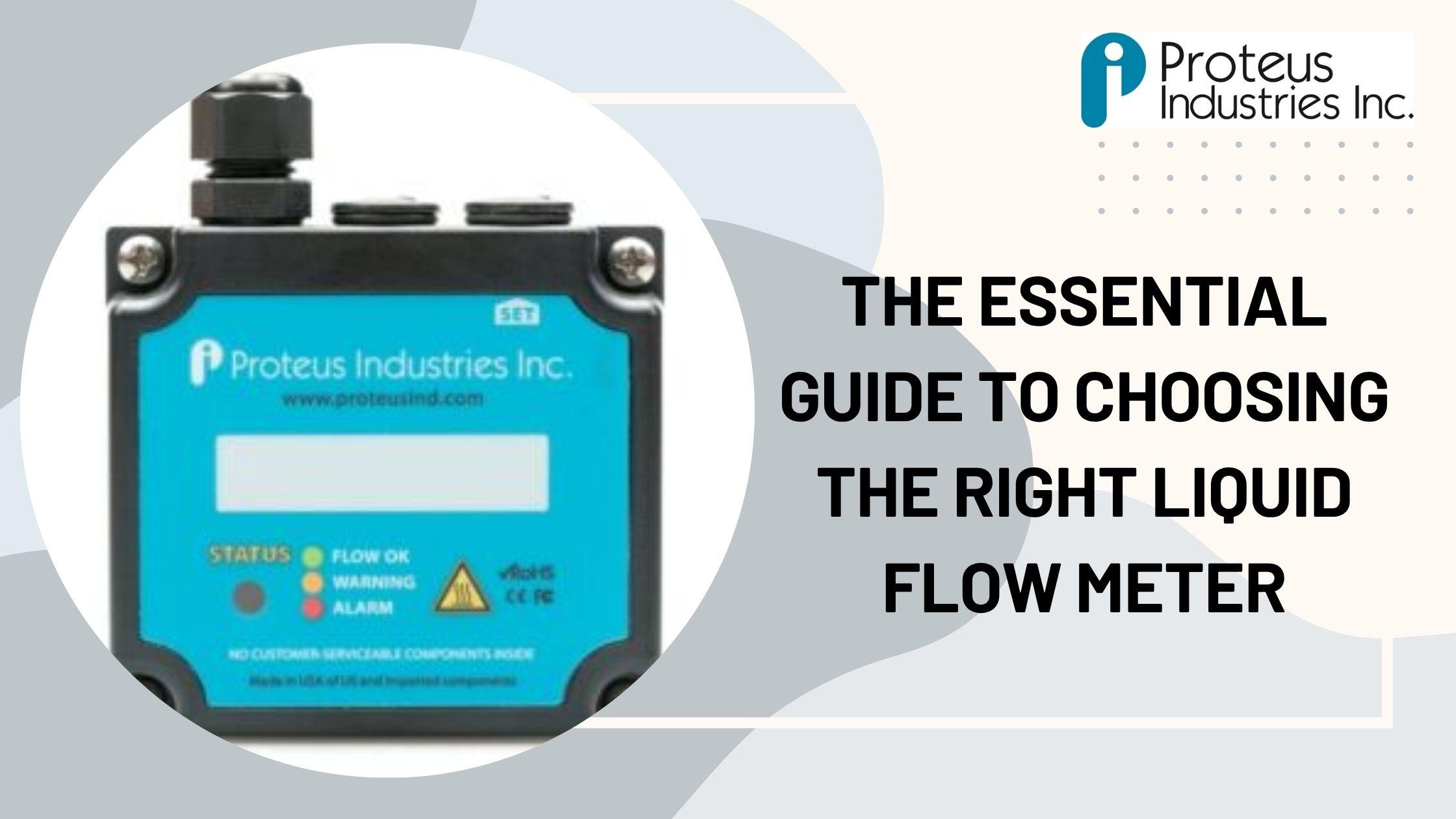
In industries, laboratories, and commercial setups, accurate liquid measurement is essential for operational efficiency and safety. A liquid flow meter enables precise monitoring of liquids, helping prevent errors, reduce waste, and maintain product quality. In chemical plants, for instance, inaccurate flow rates can lead to improper chemical mixtures, resulting in costly errors or even equipment damage. In water treatment facilities, monitoring flow ensures that the supply meets demand and regulatory standards. Even in food and beverage or pharmaceutical operations, accurate flow measurement guarantees consistency, which is crucial for maintaining standards and customer satisfaction.
Beyond industrial benefits, liquid flow meters are also vital in smaller commercial or laboratory setups. They allow operators to track liquid usage, optimize processes, and prevent accidental overflows or underdosing. Using the right meter can significantly reduce operational risks, streamline processes, and save money in the long run. Understanding their importance helps businesses make informed decisions about investments, installations, and ongoing maintenance, underscoring why liquid flow meters are indispensable in modern operations.
Types of Liquid Flow Meters: Which One Fits Your Needs?
There are several types of liquid flow meters designed for different liquids and applications. Turbine flow meters are suitable for clean, low-viscosity liquids and are often used in industrial environments for their high accuracy and reliability. Electromagnetic flow meters are ideal for conductive liquids, like water or chemical solutions, and are low-maintenance due to their lack of moving parts. For situations where non-intrusive measurement is needed, ultrasonic flow meters use sound waves to measure flow without direct contact with the liquid, making them ideal for corrosive or hazardous fluids. Positive displacement meters are designed to measure viscous liquids with precision and are commonly used in the food, chemical, and oil industries.
Choosing the right type depends on the liquid’s properties and your operational needs. Factors like viscosity, conductivity, temperature, and required accuracy influence the selection process. Each meter has its pros and cons, and understanding them helps prevent underperformance or frequent maintenance issues. By matching the meter type to your specific application, you can ensure consistent, reliable measurements while minimizing operational challenges.
Key Features to Look for in a Flow Meter
When selecting a liquid flow meter, accuracy and repeatability are critical features. A meter must reliably measure both low and high flow rates without fluctuation, ensuring processes run smoothly and efficiently. Material compatibility is another important consideration, as corrosive or abrasive liquids require meters made from materials that are resistant to them. Flow meters also differ in installation requirements, with some needing straight pipe lengths before and after the meter for proper readings.
Modern liquid flow meters often feature digital connectivity, enabling integration with monitoring systems, data logging, and remote control. Evaluating these features ensures you choose a meter that fits both your technical requirements and operational workflow. Taking the time to review features such as ease of installation, maintenance requirements, and compatibility with the system infrastructure helps prevent costly mistakes and ensure long-term reliability.
Factors That Influence Your Choice
Several factors impact which liquid flow meter is most suitable for your application. The type of liquid, including its viscosity, density, and chemical properties, determines meter performance. System conditions like pressure, temperature, and pipe size also play a crucial role, as extreme conditions or mismatched piping can compromise measurement accuracy.
Budget and long-term costs should also guide your decision. While a higher-quality meter might have a higher upfront cost, it can reduce maintenance expenses, downtime, and replacement needs over time. By carefully considering liquid properties, system requirements, and operational budget, you can select a meter that balances performance with cost-effectiveness.
Installation and Maintenance Tips
Proper installation is key to ensuring accurate measurements. Place the meter away from turbulence caused by valves or pumps, and maintain the recommended straight pipe lengths before and after installation. Correct positioning and orientation prevent errors caused by uneven flow or pressure changes.
Maintenance is equally important. Regular calibration ensures the meter continues to provide accurate readings, while periodic inspection for wear, corrosion, or blockages extends its service life. Following these best practices reduces downtime risk, maintains reliability, and protects your investment in the long run.
Our Services: Helping You Select & Implement the Right Flow Meter
Selecting the right liquid flow meter can be complicated, especially with the variety of options available. Expert consultation services guide the selection of the meter that best suits your needs, including recommendations based on liquid type, system requirements, and accuracy requirements. These services often include installation assistance, staff training, and maintenance planning, ensuring smooth integration into your operations.
Support services also cover troubleshooting and ongoing maintenance advice, helping you avoid costly mistakes and unexpected downtime. By leveraging professional guidance, you can confidently implement the right liquid flow meter, ensuring both efficiency and accuracy in your system from day one.
Common Mistakes to Avoid
Even the right meter can underperform if common mistakes are made. Selecting a meter without considering the liquid’s properties, ignoring installation guidelines, or neglecting maintenance schedules are frequent errors. These issues can lead to inaccurate readings, increased wear, and potential system failures.
Other pitfalls include failing to account for system conditions like pressure, temperature, or vibration. Being aware of these mistakes and taking proactive measures ensures your meter functions reliably, providing consistent, accurate measurements and protecting your system from avoidable errors.
Final Thoughts: Making the Right Choice Count
Choosing the right liquid flow meter is about more than purchasing a device—it’s about ensuring operational accuracy, efficiency, and long-term success. Understanding the types of meters, their features, installation requirements, and influencing factors allows for informed decisions that enhance performance.
A well-selected and properly installed meter reduces waste, improves system reliability, and protects valuable equipment. By considering all key aspects, from accuracy and material compatibility to maintenance and professional guidance, businesses and labs can ensure precise liquid measurement, optimize processes, and achieve long-term operational benefits.

 English
 Arabic
 French
 Spanish
 Portuguese
 Deutsch
 Turkish
 Dutch
Dutch
 Italiano
 Russian
 Portuguese (Brazil)
 Tiếng Việt