


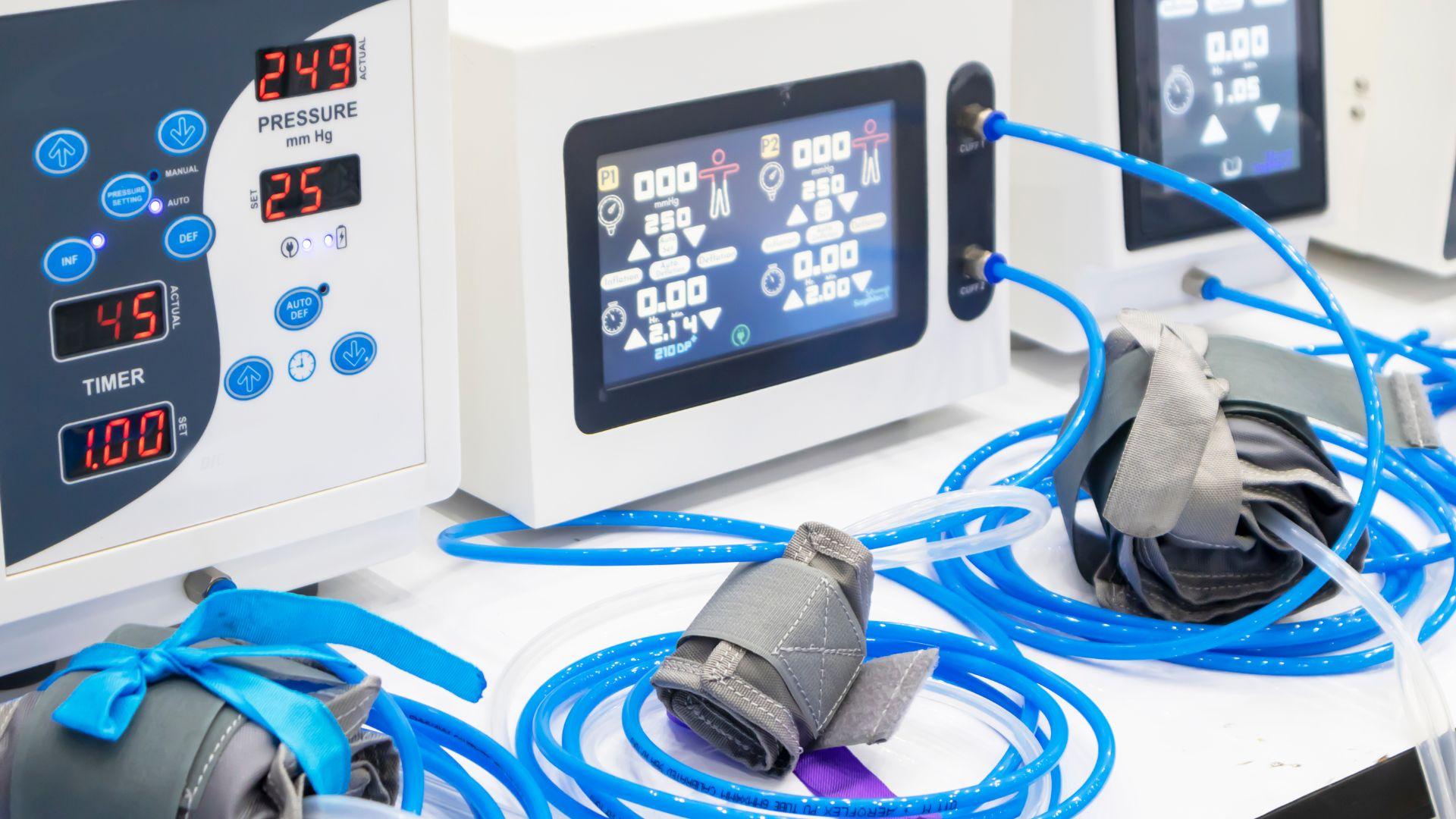
Bariatric Surgery Devices Market Size & Forecast 2026–2034
The global bariatric surgery devices market is set for steady expansion as obesity rates continue to climb worldwide. According to Renub Research, the market is projected to grow from US$ 3.24 billion in 2025 to US$ 4.92 billion by 2034, registering a CAGR of 4.74% from 2026 to 2034.
Rising global obesity prevalence, increasing awareness of minimally invasive weight-loss procedures, and ongoing technological innovation in surgical devices are key growth drivers. Growing healthcare expenditure and broader acceptance of bariatric surgery as a medically necessary treatment further support market expansion.
Download Free Sample Report:https://www.renub.com/request-sample-page.php?gturl=bariatric-surgery-devices-market-p.php
Bariatric Surgery Devices Market Outlook
Bariatric surgery devices are specialized instruments used to assist in surgical weight-loss procedures. These devices are critical in surgeries such as:
-
Gastric bypass
-
Sleeve gastrectomy
-
Adjustable gastric banding
-
Biliopancreatic diversion
Common device categories include:
-
Surgical staplers
-
Energy devices
-
Suturing systems
-
Trocars
-
Visualization equipment
Most procedures today are performed laparoscopically, requiring precision-engineered tools that enable minimally invasive surgery. These devices help reduce stomach size or alter digestion mechanisms to support long-term weight reduction.
Globally, the popularity of bariatric surgical devices has increased significantly due to the rising incidence of obesity and related conditions such as diabetes, hypertension, and cardiovascular disease. Technological advancements have improved safety, precision, and patient outcomes—encouraging both surgeons and patients to choose surgical solutions.
Growth Drivers for the Bariatric Surgery Devices Market
Rising Global Obesity and Related Comorbidities
Obesity remains one of the most pressing global health challenges. Sedentary lifestyles, processed diets, urbanization, and stress have led to a dramatic rise in overweight and obese populations.
Recent global health statistics highlight the urgency:
-
35 million children under five were overweight in 2024
-
Over 390 million children and adolescents (ages 5–19) were overweight in 2022
-
2.5 billion adults were overweight in 2022
-
More than 890 million adults were classified as obese
Obesity is strongly associated with:
-
Type 2 diabetes
-
Hypertension
-
Cardiovascular disease
-
Sleep apnea
-
Joint disorders
For patients with severe obesity, lifestyle interventions alone often fail to achieve sustainable results. Bariatric surgery has emerged as one of the most effective long-term treatment options, significantly improving metabolic outcomes and quality of life.
As awareness grows among patients and healthcare providers, surgical procedure volumes continue to rise—directly fueling demand for bariatric surgery devices.
Advancements in Minimally Invasive Surgical Technologies
Technological progress in laparoscopic and robotic-assisted surgery has transformed bariatric care. Modern devices now offer:
-
Powered stapling systems
-
Advanced energy platforms
-
High-definition visualization
-
Enhanced suturing mechanisms
These innovations reduce operative time, minimize complications, shorten hospital stays, and accelerate recovery.
For example, in January 2026, Johnson & Johnson announced the submission of its OTTAVA Robotic Surgical System to the U.S. FDA for De Novo classification, reinforcing the growing role of robotics in minimally invasive procedures.
Hospitals increasingly adopt advanced surgical technologies to improve outcomes and optimize efficiency—strengthening device market growth.
Increasing Acceptance and Reimbursement Support
Bariatric surgery is increasingly recognized as a medically necessary intervention rather than a cosmetic procedure. Clinical guidelines now recommend surgery for patients meeting specific BMI and metabolic criteria.
Improved reimbursement policies—especially in North America and parts of Europe—have lowered financial barriers. As insurance coverage expands, more eligible patients pursue surgical options.
In January 2024, a UK NHS-operated hospital introduced gastric balloon systems from Allurion Technologies Inc., reflecting growing institutional support for medical weight management solutions.
In India, Boston Scientific launched bariatric offerings in December 2024, signaling strong industry interest in emerging markets.
The combination of medical endorsement, insurance support, and increased awareness continues to drive global adoption.
Market Challenges
High Cost of Devices and Procedures
Bariatric surgery involves sophisticated equipment and disposable components, increasing procedural costs. Advanced staplers, robotic systems, and implantable devices contribute significantly to total treatment expenses.
Because many healthcare systems classify bariatric surgery as elective, reimbursement remains limited in certain regions. Out-of-pocket expenses can discourage patients, especially in price-sensitive markets.
Hospitals also face budget pressures when investing in high-end surgical platforms.
Surgical Risks and Post-Operative Complications
Despite technological advances, bariatric surgery carries inherent risks, including:
-
Infection
-
Leakage
-
Bleeding
-
Nutritional deficiencies
-
Gastrointestinal complications
Long-term lifestyle adjustments may deter some patients. Additionally, limited access to skilled bariatric surgeons in certain regions can affect procedural outcomes.
Addressing safety concerns through improved device design and surgeon training remains critical for sustainable growth.
Segment Analysis
Minimally Invasive Bariatric Procedures Market
Minimally invasive laparoscopic procedures dominate the market. Smaller incisions result in:
-
Reduced blood loss
-
Shorter hospital stays
-
Lower post-operative pain
-
Faster recovery
The rising preference for sleeve gastrectomy and laparoscopic gastric bypass strengthens this segment.
Bariatric Surgery Assisting Devices Market
Assisting devices such as trocars, retractors, insufflators, suturing systems, and visualization tools are essential for procedural efficiency.
As minimally invasive surgeries increase, demand for high-quality assisting devices continues to rise, ensuring precision and consistent outcomes.
Sleeve Gastrectomy Devices Market
Sleeve gastrectomy is now one of the most widely performed bariatric procedures globally. It is considered relatively safe and effective for long-term weight management.
Growing adoption of this procedure directly drives demand for advanced stapling systems and energy devices tailored for sleeve operations.
Weight Loss Bariatric Surgery Devices Market
This broad category includes devices designed specifically to reduce stomach volume or alter digestion. As obesity is increasingly recognized as a chronic disease, acceptance of surgical interventions continues to rise.
Technological personalization of surgical approaches further enhances patient satisfaction.
Hospitals Segment
Hospitals account for the largest share of the market due to advanced infrastructure, availability of multidisciplinary care teams, and reimbursement frameworks.
Dedicated bariatric centers within hospitals facilitate higher procedure volumes and device utilization.
Regional Insights
United States
The United States represents the largest market globally. High obesity rates, advanced healthcare infrastructure, and early adoption of robotic systems drive growth.
Companies such as Medtronic Inc. and Intuitive Surgical Inc. play pivotal roles in advancing minimally invasive technologies.
Insurance coverage and clinical guidelines further support procedural adoption.
United Kingdom
The UK market is expanding steadily, supported by NHS-backed programs and regulatory oversight ensuring safety and quality standards.
Recognition of bariatric surgery as a treatment for severe obesity strengthens demand.
India
India’s market is growing rapidly due to rising obesity prevalence, urbanization, and expanding middle-class income levels.
Affordable treatment options and medical tourism attract international patients. The entry of global players like Boston Scientific signals strong future potential.
Saudi Arabia
Saudi Arabia faces high obesity prevalence rates, driving demand for surgical weight-loss solutions.
Government-backed health awareness initiatives and increasing investments in advanced surgical technologies support growth. Rising social acceptance among younger populations further boosts demand.
Market Segmentation
By Procedure Type
-
Minimally Invasive
-
Non-Invasive
By Device Type
-
Assisting Devices
-
Implantable Devices
By Procedure
-
Sleeve Gastrectomy
-
Adjustable Gastric Banding
-
Roux-en-Y Gastric Bypass
-
Biliopancreatic Diversion with Duodenal Switch
-
Others
By Application
-
Weight Loss
-
Hereditary Disease
-
Others
By End User
-
Bariatric Surgery Clinics
-
Hospitals
-
Others
By Region
North America, Europe, Asia Pacific, Latin America, Middle East & Africa
Competitive Landscape
Key players operating in the global market include:
-
Apollo Endosurgery Inc.
-
GI Dynamics
-
Intuitive Surgical Inc.
-
Johnson & Johnson Services Inc.
-
Medtronic Inc.
-
Olympus Corporation
-
ReShape Lifesciences Inc.
-
TransEnterix Inc.
Companies compete through innovation, robotic integration, improved stapling systems, and global expansion strategies.
Final Thoughts
The bariatric surgery devices market is on a steady growth path, projected to reach US$ 4.92 billion by 2034. Rising global obesity rates, improved minimally invasive technologies, and expanding reimbursement coverage form the backbone of this expansion.
While cost constraints and surgical risks remain challenges, continuous innovation in device design, robotics, and patient safety will drive long-term adoption.
As obesity becomes a recognized chronic health condition requiring structured intervention, bariatric surgery devices will continue playing a critical role in improving global health outcomes over the next decade.

 English
 Arabic
 French
 Spanish
 Portuguese
 Deutsch
 Turkish
 Dutch
Dutch
 Italiano
 Russian
 Romaian
 Portuguese (Brazil)