


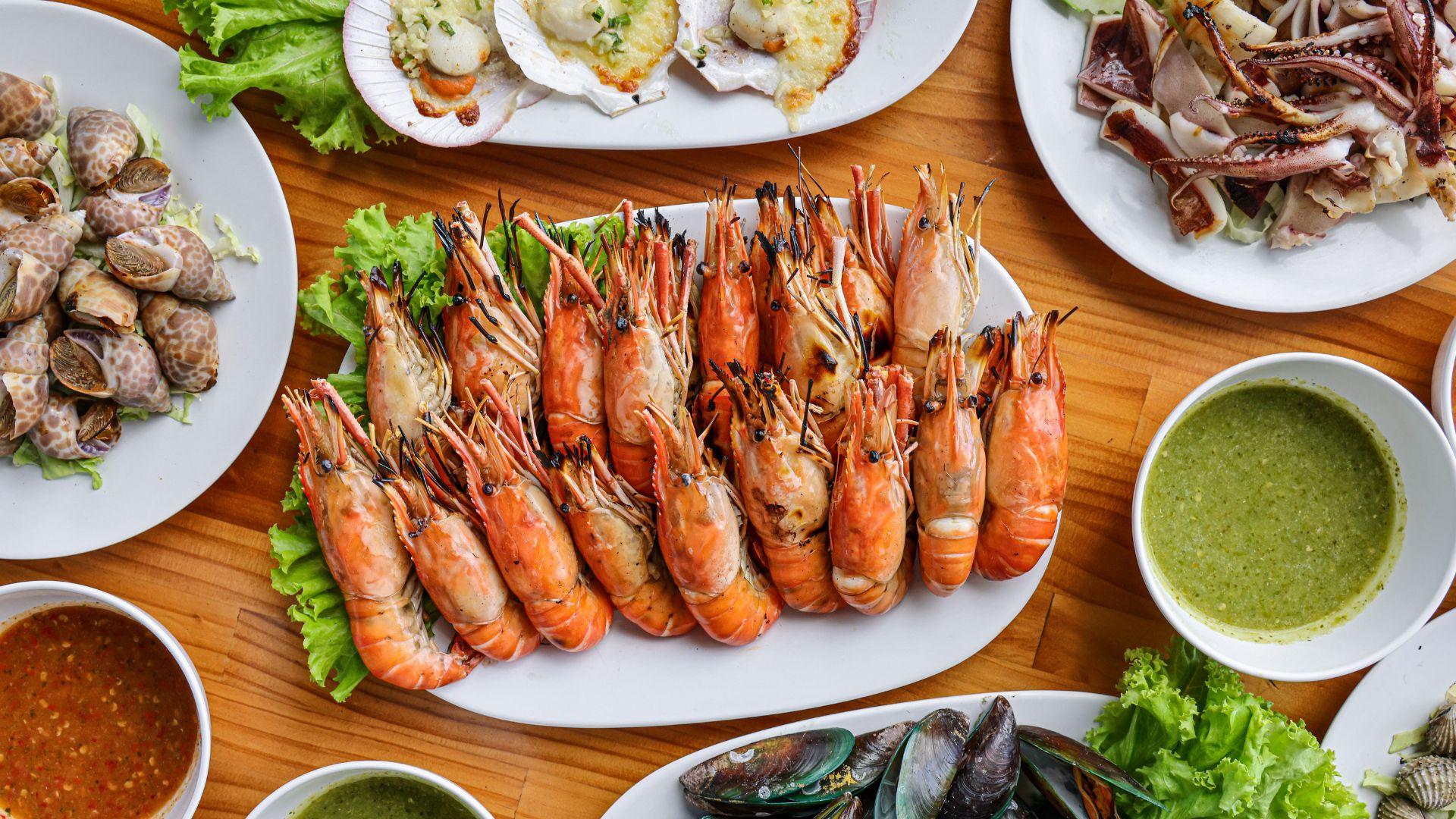
South Korea’s deep-rooted culinary traditions and evolving consumer preferences are shaping a steady upward trajectory for its seafood industry. According to Renub Research, the South Korea Seafood Market is projected to grow from US$ 4.75 Billion in 2025 to US$ 6.74 Billion by 2034, expanding at a CAGR of 3.96% during 2026–2034. The growth momentum is supported by high per capita seafood consumption, increasing health awareness, aquaculture modernization, and improvements in cold-chain logistics.
South Korea Seafood Market Outlook
Seafood encompasses edible aquatic animals and plants sourced from oceans, rivers, lakes, and aquaculture farms. It includes fish such as salmon, tuna, and cod; shellfish like shrimp, crab, and lobster; mollusks including oysters, clams, and mussels; as well as edible seaweed. Rich in premium proteins, omega-3 fatty acids, vitamins, and minerals, seafood plays a vital role in supporting cardiovascular health, brain development, and overall well-being.
In South Korea, seafood is more than just nutrition—it is an integral part of culture, heritage, and daily dining. Products are available in fresh, frozen, dried, canned, and processed forms. Cooking methods range from grilling and boiling to fermenting and serving raw, reflecting the country’s culinary diversity.
Globally, seafood demand has increased due to growing awareness of protein-rich diets and healthy eating habits. However, South Korea stands out due to its long-standing seafood tradition. Coastal geography, advanced fishing techniques, and widespread aquaculture have enabled consistent supply. With modernization in logistics and processing, seafood has become more accessible to urban consumers, reinforcing its position in both household and foodservice consumption.
Download Free Sample Report:https://www.renub.com/request-sample-page.php?gturl=south-korea-seafood-market-p.php
Market Growth Drivers
1. Strong Cultural Preference for Seafood-Based Diets
South Korea records one of the highest seafood consumption rates globally. In 2022, the average annual marine product consumption reached approximately 63.3 kilograms per capita, surpassing both rice and meat intake. This strong cultural attachment ensures stable demand across economic cycles.
Seafood is deeply embedded in traditional meals—ranging from grilled fish and seafood soups to fermented delicacies and raw preparations. Festivals, ancestral rituals, and regional specialties further reinforce seafood consumption patterns.
Government initiatives are also boosting production. The Ministry of Oceans and Fisheries introduced a Development Plan for the Oyster Aquaculture Industry aimed at increasing oyster production by 100,000 tons by 2030 and doubling exports from USD 80 million in 2023 to USD 160 million by 2030. This strategic vision positions South Korea as a potential global oyster export leader while strengthening domestic supply chains.
Unlike other protein categories that fluctuate with pricing or lifestyle trends, seafood consumption in South Korea remains relatively stable due to its everyday dietary role. This cultural consistency provides a solid foundation for long-term market expansion.
2. Rising Health Awareness and Nutritional Demand
Health consciousness among South Korean consumers has grown significantly in recent years. Seafood is widely perceived as a healthier alternative to red meat due to its lower fat content and high omega-3 concentration.
Concerns regarding obesity, cardiovascular diseases, and aging-related conditions are encouraging consumers to shift toward seafood-based diets. Government nutrition campaigns and food media coverage further emphasize the health benefits of marine products.
Older populations appreciate seafood for its easy digestibility and heart-health advantages, while younger consumers associate it with fitness, wellness, and balanced living. As plant-forward and clean-label trends gain momentum, seafood’s natural nutritional profile positions it favorably within the evolving protein landscape.
3. Advancements in Aquaculture and Cold-Chain Infrastructure
Technological improvements in aquaculture are strengthening domestic production. Controlled fish farming, improved feed management, and disease monitoring systems are enhancing yield and quality. Local aquaculture reduces reliance on imports and stabilizes supply for high-demand species.
Cold-chain infrastructure has also undergone significant transformation. Modern refrigeration, temperature-controlled transportation, and digital tracking systems ensure seafood freshness from harvest to retail shelves. These improvements reduce waste and enhance consumer confidence.
In February 2025, a South Korean aquaculture firm received the country’s first Aquaculture Stewardship Council certification for olive flounder (Gwangeo), marking a milestone in sustainable seafood production. Such certifications are expected to elevate export competitiveness while aligning with global sustainability standards.
Key Challenges Facing the Market
1. Sustainability and Environmental Pressures
The seafood industry faces sustainability challenges including overfishing, marine pollution, and climate change. Rising ocean temperatures are affecting fish migration patterns and aquaculture productivity. Environmental degradation threatens biodiversity and long-term supply stability.
Consumers are increasingly demanding responsibly sourced seafood. Compliance with sustainability standards, though essential, increases operational costs for producers. Balancing profitability with environmental responsibility remains a crucial industry challenge.
2. Price Volatility and Supply Uncertainty
Seafood pricing is highly sensitive to seasonal fluctuations, weather disruptions, fuel costs, and geopolitical factors affecting imports. Natural disasters and maritime conditions can disrupt harvest volumes, leading to supply inconsistencies.
Restaurants and retailers face difficulty maintaining stable pricing while ensuring product quality. Higher labor and logistics expenses further add pressure. Addressing supply chain resilience will be critical for maintaining consumer affordability.
Segment Analysis
Fresh Seafood Market
Fresh seafood dominates the South Korean seafood sector. Consumers strongly prefer live or freshly caught fish, shellfish, and mollusks. Wet markets remain popular, where customers often purchase whole fish or select portions cut on-site.
Live seafood tanks in retail stores enhance the perception of freshness and quality. Fresh seafood is especially favored for raw dishes and traditional recipes. The segment’s dominance reflects South Korea’s culinary emphasis on freshness and authenticity.
Frozen Seafood Market
The frozen seafood segment is expanding due to urbanization and busy lifestyles. Frozen fish, squid, shrimp, and ready-to-cook products offer convenience and longer shelf life. Technological advancements in freezing methods have minimized quality differences compared to fresh seafood.
Working professionals and smaller households increasingly rely on frozen options for quick meal preparation. Foodservice operators also depend on frozen seafood for bulk purchasing and inventory stability. Enhanced cold storage facilities further support segment growth.
Fish Segment
Fish represents the largest product category within the seafood market. Commonly grilled, boiled, fried, fermented, or consumed raw, fish remains a staple in both home kitchens and restaurants.
Domestic fishing contributes significantly to supply, complemented by imports to meet demand. The consistent cultural demand for fish ensures long-term market stability within this segment.
Mollusks Market
Mollusks such as oysters, clams, and squid hold strong popularity in South Korea. Frequently used in soups, stews, grilled dishes, and fermented recipes, mollusks are valued for their mineral richness and distinct flavor.
Coastal aquaculture plays a major role in mollusk production. Seasonal festivals and winter consumption patterns further stimulate demand. Export opportunities, particularly in oysters, add another dimension to this segment’s growth potential.
Retail Distribution Landscape
The seafood retail ecosystem in South Korea is diverse. Traditional wet markets continue to attract consumers seeking freshness and direct interaction with sellers. However, modern supermarkets are gaining traction by offering packaged, certified, and hygienically processed seafood products.
Specialty seafood stores cater to premium demand, while e-commerce platforms are gradually expanding their presence in seafood retail. Consumers increasingly seek convenience, transparency, and traceability in seafood sourcing, prompting retailers to invest in quality assurance and digital platforms.
Foodservice Industry Contribution
South Korea’s vibrant foodservice sector significantly contributes to seafood consumption. Seafood restaurants, street vendors, and casual dining outlets feature diverse marine dishes. Grilled fish, seafood stews, raw fish bowls, and fried seafood platters are among the most popular menu items.
The strong dining-out culture in urban centers sustains steady demand. Additionally, tourism plays an important role, with visitors actively exploring local seafood specialties. Restaurants require consistent supply, quality assurance, and competitive pricing to meet consumer expectations.
Recent Industry Developments
In April 2025, South Korea inaugurated its first land-based salmon farming facility using Recirculating Aquaculture System (RAS) technology. This milestone strengthens domestic salmon production capabilities and reduces import dependence.
The same month, a Norwegian seafood group launched a dedicated Korean branch to expand its presence in the country’s growing seafood market. The company had already established distribution through major online grocery platforms, reflecting the rise of digital seafood retail channels.
In October 2024, a Singapore-based seafood technology firm partnered with South Korean biotechnology companies to develop a sustainable pipeline for cell-based seafood production. This collaboration highlights innovation in alternative seafood solutions.
In June 2023, a South Korean cell-based seafood startup specializing in shrimp and caviar secured significant investment from domestic and international venture firms. The funding signals growing investor confidence in next-generation seafood technologies.
Market Segmentation Overview
By Form
-
Fresh
-
Frozen
-
Ambient
-
Canned & Processed Seafood
By Type
-
Fish
-
Crustaceans
-
Mollusca
-
Others
By Application
-
Retail
-
Institutions
-
Food Service
By Cities
-
Seoul
-
Incheon
-
Busan
-
Ulsan
-
Daegu
-
Daejeon
-
Gwangju
-
Sejong
Competitive Landscape
Key companies operating in the South Korea seafood market include:
-
Atlantic Capes Fisheries, Inc
-
Dongwon Industries
-
Hansung Enterprise
-
Lotte Foods
-
Korea Fisheries Trade Association
-
Mokpo Fisheries
Company evaluations typically cover five viewpoints: Overview, Key Personnel, Recent Developments, SWOT Analysis, and Revenue Analysis. Competitive positioning focuses on sustainability initiatives, supply chain integration, export expansion, and product diversification.
Final Thoughts
The South Korea Seafood Market is entering a phase of stable, innovation-led growth. With Renub Research projecting expansion from US$ 4.75 Billion in 2025 to US$ 6.74 Billion by 2034 at a CAGR of 3.96%, the outlook remains positive. Cultural loyalty to seafood, rising health awareness, aquaculture modernization, and retail evolution are collectively shaping the industry’s future.
However, sustainability, environmental risks, and pricing volatility require strategic management. Companies that invest in responsible sourcing, technological advancement, and consumer transparency are likely to gain competitive advantage.
Overall, South Korea’s seafood sector reflects a unique blend of tradition and transformation—anchored in cultural heritage yet propelled by modern innovation.

 English
 Arabic
 French
 Spanish
 Portuguese
 Deutsch
 Turkish
 Dutch
Dutch
 Italiano
 Romaian
 Portuguese (Brazil)
 Tiếng Việt