


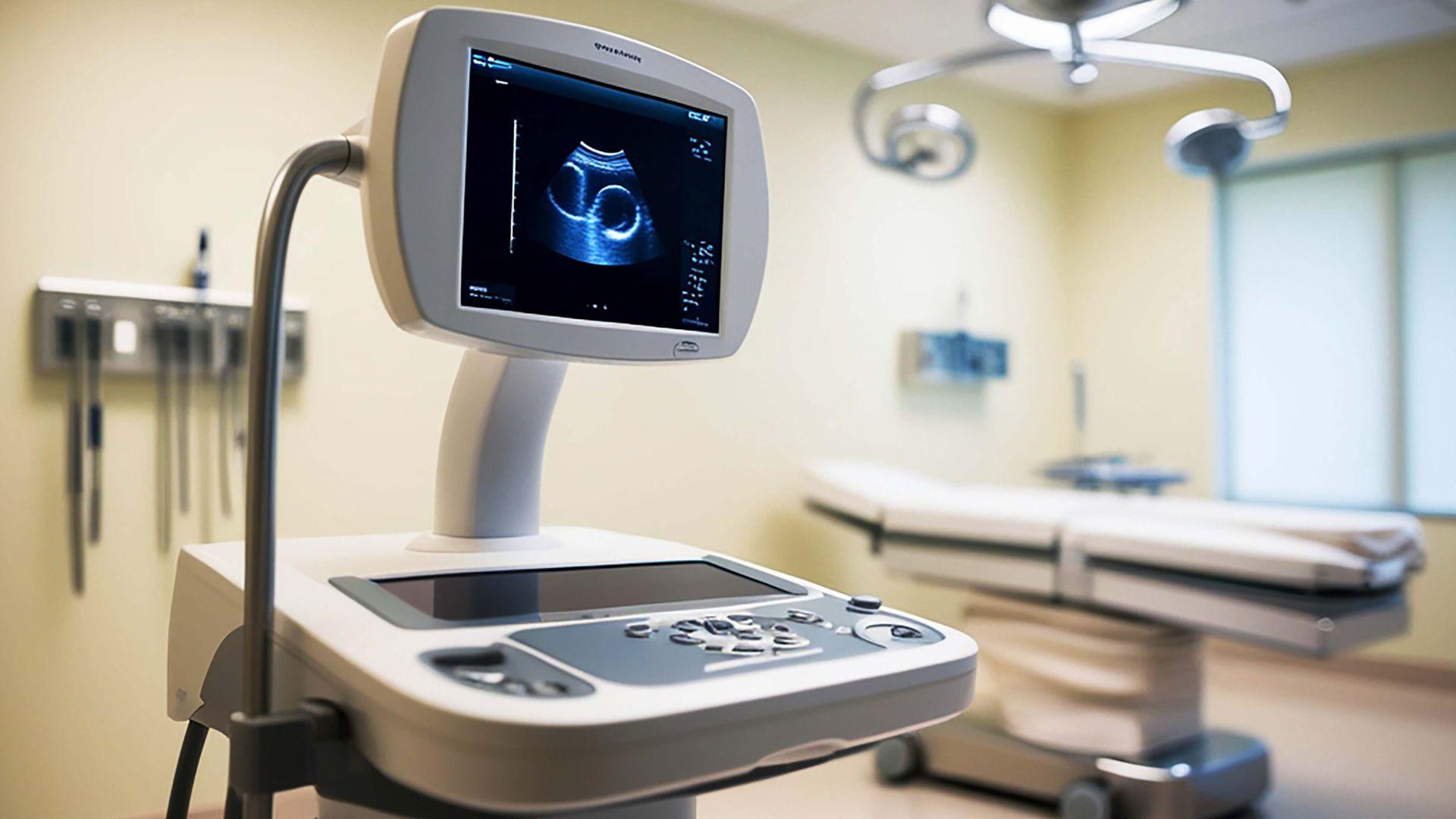
Forecast for Europe’s Ultrasound Devices Market 2025–2033
The Europe Ultrasound Device Market is set for steady expansion over the next decade. Valued at USD 2.53 billion in 2024, the market is projected to reach USD 4.04 billion by 2033, growing at a CAGR of 5.32% from 2025 to 2033.
Growth is primarily driven by rapid advancements in ultrasound imaging technologies, rising demand for minimally invasive diagnostic procedures, and the increasing prevalence of chronic diseases across Europe. Additionally, supportive healthcare policies and higher public healthcare spending continue to accelerate adoption.
The comprehensive market forecast covers segmentation by application, technology, device type, end user, and country-level analysis for the period 2025–2033.
Download Free Sample Report:https://www.renub.com/request-sample-page.php?gturl=europe-ultrasound-devices-market-p.php
Understanding Ultrasound Devices
Ultrasound machines are medical imaging systems that use high-frequency sound waves to generate real-time images of internal body structures. Unlike CT scans or X-rays, ultrasound does not involve ionizing radiation, making it a safer and repeatable diagnostic tool.
Ultrasound imaging is widely used in:
· Cardiology
· Gynecology and obstetrics
· Urology
· Musculoskeletal diagnostics
· Vascular imaging
· Emergency medicine
Across Europe, healthcare providers increasingly rely on ultrasound for its cost-effectiveness, safety profile, and broad clinical applications. Its integration into telemedicine platforms and portable formats further strengthens its importance in modern healthcare systems.
Key Growth Drivers in Europe
Technological Advancements
The European ultrasound market is benefiting from breakthroughs in imaging capabilities, including:
· 3D and 4D imaging systems
· Doppler imaging enhancements
· High-Intensity Focused Ultrasound (HIFU)
· Artificial intelligence-based automation
AI integration enhances workflow efficiency, automates measurements, and improves diagnostic accuracy. In September 2024, Sonio received CE mark certification for its AI-powered ultrasound reporting software, strengthening its presence in Europe.
Portable and handheld ultrasound devices are also gaining traction, particularly in emergency medicine and remote healthcare settings.
Rising Prevalence of Chronic Diseases
Europe faces a growing burden of chronic conditions such as cardiovascular disease, cancer, and kidney disorders. Non-invasive diagnostic tools like ultrasound play a crucial role in early detection and disease monitoring.
According to European health data, lung cancer cases and cardiovascular diseases remain leading causes of mortality, increasing the demand for accessible imaging technologies. The aging population further amplifies this need, particularly in cardiology and oncology diagnostics.
Government Policies and Healthcare Spending
Healthcare expenditure in Europe continues to rise. Eurostat reported that approximately 7.7% of Europe’s GDP was allocated to healthcare in recent years, reflecting strong public investment.
Governments in countries such as Germany, France, and the United Kingdom are expanding healthcare infrastructure and encouraging the adoption of advanced diagnostic equipment. Telemedicine expansion and early disease detection initiatives are also contributing to ultrasound device adoption.
Challenges in the Europe Ultrasound Device Market
High Cost of Advanced Systems
While innovation enhances imaging quality, advanced systems such as 3D/4D ultrasound, AI-integrated platforms, and HIFU equipment require significant capital investment. Smaller clinics and healthcare centers may struggle with acquisition, maintenance, and training costs.
Shortage of Skilled Technicians
Europe faces a shortage of trained sonographers and radiologists. The complexity of modern ultrasound systems requires specialized training, and workforce gaps can limit optimal utilization of advanced devices.
Application-Specific Market Insights
Europe Cardiology Ultrasound Device Market
Cardiovascular diseases remain a major public health concern. Echocardiography devices provide real-time cardiac imaging, enabling early detection of heart valve disorders and arterial blockages. With rising obesity and aging demographics, cardiology ultrasound demand continues to grow.
Europe Anesthesiology Ultrasound Device Market
Ultrasound-guided anesthetic procedures improve precision in nerve blocks and vascular access. Growing adoption of minimally invasive surgeries across Europe is increasing demand for anesthesiology ultrasound systems.
Europe 3D/4D Ultrasound Imaging Market
3D and 4D imaging technologies are widely used in obstetrics and oncology. These systems provide enhanced visualization of fetal development and tumor structures, improving diagnostic confidence and patient outcomes.
Europe High-Intensity Focused Ultrasound (HIFU) Market
HIFU is gaining prominence as a non-invasive therapeutic technology, particularly in oncology and neurology. It enables targeted tissue ablation without surgical incisions, reducing recovery time and complications.
Europe Portable Ultrasound Device Market
Portable ultrasound devices are transforming point-of-care diagnostics. Wireless and AI-enabled systems allow bedside imaging in hospitals, ambulances, rural clinics, and home care settings. Demand is particularly strong in emergency medicine and sports medicine.
Europe Diagnostic Centers Ultrasound Device Market
Independent diagnostic centers and outpatient imaging facilities play a vital role in Europe’s healthcare ecosystem. Increasing patient preference for specialized imaging centers is driving demand for high-end ultrasound systems.
Country-Level Analysis
Germany Ultrasound Device Market
Germany is among the largest ultrasound markets in Europe, supported by advanced healthcare infrastructure and high R&D investment. In March 2024, Berlin-based Insighttec received NUB status 1 approval for MR-guided focused ultrasound treatment, expanding access to advanced therapeutic ultrasound technologies.
France Ultrasound Device Market
France’s ultrasound market is expanding due to healthcare reforms and investment in advanced diagnostic imaging. In December 2022, Siemens Healthineers AG launched its first European ultrasound manufacturing facility in France, enhancing regional production capabilities.
United Kingdom Ultrasound Device Market
The UK market benefits from National Health Service (NHS) initiatives aimed at improving diagnostic efficiency. In May 2022, Clarius Mobile Health introduced wireless ultrasound scanners compatible with mobile devices, expanding portable imaging accessibility across the UK and EU.
Russia Ultrasound Device Market
Russia’s ultrasound market is expanding due to modernization initiatives in healthcare infrastructure. In November 2022, Glavkosmos JSC announced plans to export domestically produced ultrasound scanners under the RuSkan brand, supporting international market presence.
Market Segmentation
By Application
· Anesthesiology
· Cardiology
· Gynecology/Obstetrics
· Musculoskeletal
· Vascular
· Other
By Technology
· 2D Ultrasound Imaging
· 3D and 4D Ultrasound Imaging
· Doppler Imaging
· High-Intensity Focused Ultrasound
By Type
· Stationary Ultrasound
· Portable Ultrasound
By End User
· Hospitals
· Diagnostic Centers
· Other End Users
By Country
France, Germany, Italy, Spain, United Kingdom, Belgium, Netherlands, Russia, Poland, Greece, Norway, Romania, Portugal, and Rest of Europe.
Leading Companies in the Europe Ultrasound Market
The competitive landscape includes global medical imaging leaders such as:
· Fujifilm Holdings Corporation
· GE Healthcare
· Philips Healthcare
· Samsung
· Siemens Healthineers AG
· Canon Medical Systems Corporation
· Mindray Medical International Limited
Each company is analyzed through multiple perspectives including overview, key personnel, product portfolio, recent developments, and revenue insights.
Future Outlook
The Europe ultrasound device market is positioned for stable and sustained growth through 2033. Key trends shaping the future include:
· Expansion of AI-enabled diagnostic imaging
· Increasing adoption of portable and handheld systems
· Greater integration with telemedicine platforms
· Growing use of therapeutic ultrasound applications
· Rising focus on preventive and early-stage diagnostics
With healthcare systems emphasizing cost-efficient and non-invasive technologies, ultrasound devices remain central to Europe’s diagnostic and therapeutic landscape.
Final Thoughts
Europe’s ultrasound device market reflects the convergence of technology, demographic shifts, and healthcare modernization. As chronic diseases rise and populations age, demand for accurate, real-time, and radiation-free imaging solutions will intensify.
From advanced AI-integrated platforms to portable bedside scanners, ultrasound technology continues to evolve as a cornerstone of modern European healthcare. With projected growth to USD 4.04 billion by 2033, the sector offers promising opportunities for manufacturers, healthcare providers, and investors alike.

 English
 Arabic
 French
 Spanish
 Portuguese
 Deutsch
 Turkish
 Dutch
Dutch
 Italiano
 Russian
 Romaian
 Portuguese (Brazil)